

Best Mat for Strength Training at Home: Dumbbells, Kettlebells, and Bodyweight

Home strength training has moved from a niche practice to one of the fastest-growing categories in home fitness. The equipment has caught up: adjustable dumbbells, kettlebells, resistance bands, and quality benches are all accessible to any household that wants them. The floor under all that equipment is usually the last thing anyone thinks about, and often the piece that determines whether the strength routine actually holds up.
This post covers what strength training actually requires from the floor, why most standard exercise mats fail the load requirements, and what to prioritize for a strength setup that lasts.
What Strength Training Puts on the Floor
Strength work loads a mat in ways that yoga and general fitness do not.
Point loads from equipment. Dumbbells set down between sets, kettlebells parked upright, and weight benches all concentrate significant weight on small contact areas. Cheap foam compresses permanently under these loads. High-density construction rebounds.
Dynamic lateral movement. Squat variations, lunge patterns, and any footwork drill involves lateral force at the floor. A mat that slides is not just annoying, it is a safety risk with weight in your hands.
Joint contact during floor work. Glute bridges with weight, dumbbell floor presses, hip thrusts, and any floor-based strength work put the spine, hips, and shoulders in direct contact with the mat under load. Thin mats become uncomfortable within a set.
Impact from dropped equipment. Dumbbells slip. Kettlebells get set down harder than intended. The mat needs to absorb the occasional drop without transmitting the impact to the floor underneath, particularly for anyone in an apartment or above a finished space.
Why Most Exercise Mats Fail Here
Standard yoga mats and thin exercise mats are not built for strength training. Three specific failure modes come up consistently.
They are too thin. Anything under 6mm becomes uncomfortable on the spine and joints during floor-based strength work. Weight amplifies the problem.
They compress permanently. Cheap foam under repeated point loads develops permanent indentations that never recover. The mat gets progressively worse as the strength setup gets more established.
They slide. Even mats with grippy undersides can migrate under the lateral force of a heavy squat or a fast footwork sequence. A moving mat during weighted work is a safety issue.
What to Prioritize in a Strength Mat
Five criteria for a floor that actually supports serious home strength training.
6mm of high-density supportive cushion. Enough to protect joints during floor work, dense enough to resist permanent compression under equipment loads.
Single-piece construction. Interlocking tiles shift under lateral force, trap sweat in seams, and fail under equipment weight. Single-piece build handles all of it.
Non-slip underside for hardwood. The mat has to stay in place under lateral force. Most reliable configuration: high-density foam with textured underside that grips hard flooring without adhesive.
Waterproof, wipe-clean surface. Sweat during strength work is substantial. The surface has to handle daily cleaning with a damp cloth for years.
Large enough for full range of motion. Squat stances, lunge patterns, and any lateral work exceed the 24-inch width of a standard yoga mat. 5 feet by 7 feet fits most solo strength setups; 6 feet by 9 feet handles larger equipment and shared training space.
The Common Home Strength Setups
Three configurations that account for most home strength training.
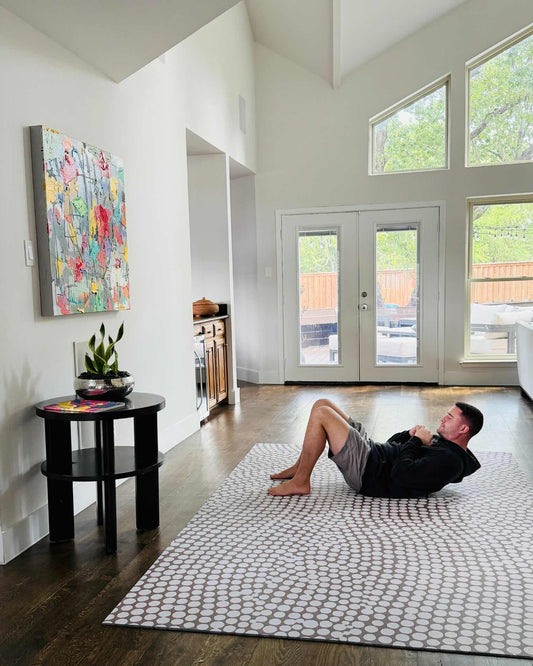
The dumbbell-and-bodyweight setup. A pair of adjustable dumbbells plus bodyweight strength work. Fits in any room. Mat needs to handle dumbbell floor work, lateral movement, and occasional drops. 5x7 typically the right size.
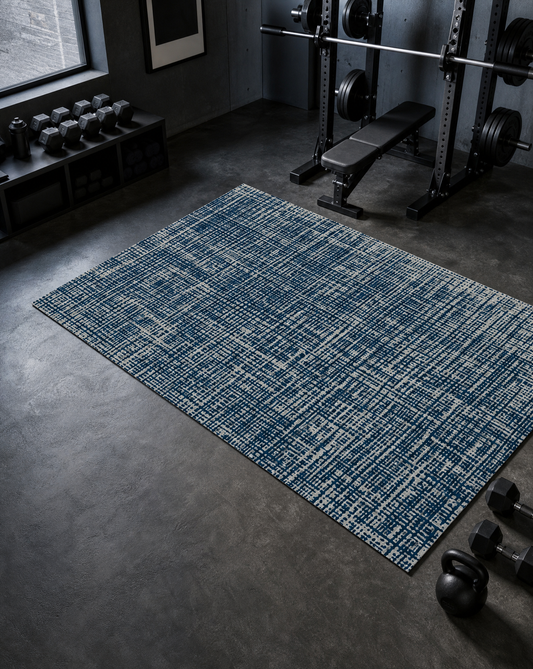
The kettlebell setup. One to three kettlebells plus dynamic full-body work (swings, cleans, snatches, Turkish get-ups). Mat needs to handle harder impact, more dynamic lateral movement, and the specific loads kettlebell work produces. 6x9 preferred for the swing arc.
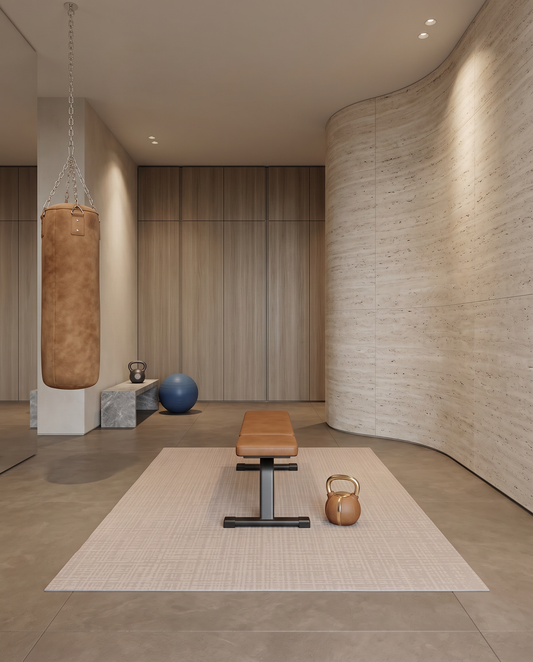
The mixed setup with bench. Dumbbells or kettlebells plus a bench, plus bodyweight. Mat needs to accommodate the bench footprint, the walking room around it, and full-body floor work. 6x9 recommended.
The Swankymat Fit for Strength Training
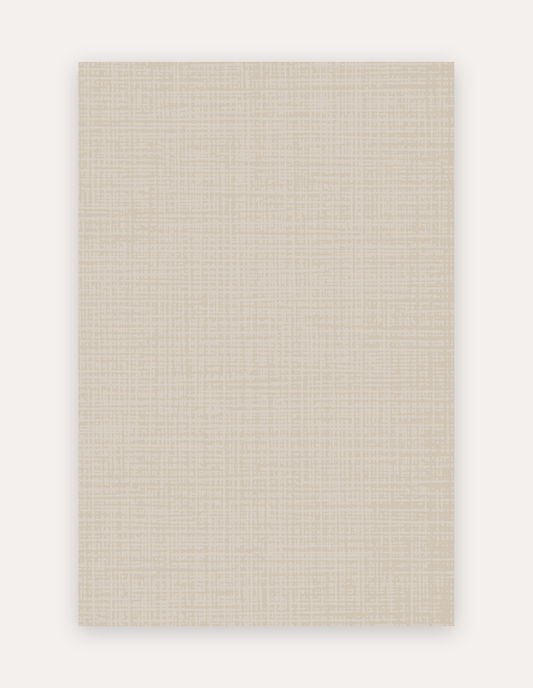
Swankymat is single-piece non-toxic high-density foam construction with 6mm of supportive cushion. The high-density build resists permanent compression under dumbbells, kettlebells, and bench legs. The waterproof surface handles sweat and daily cleaning. The non-slip underside stays in place on hardwood, tile, and laminate under the lateral force of squats, lunges, and dynamic footwork.
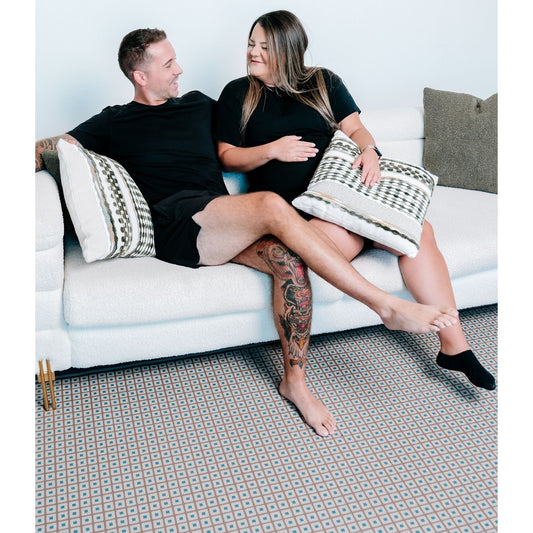
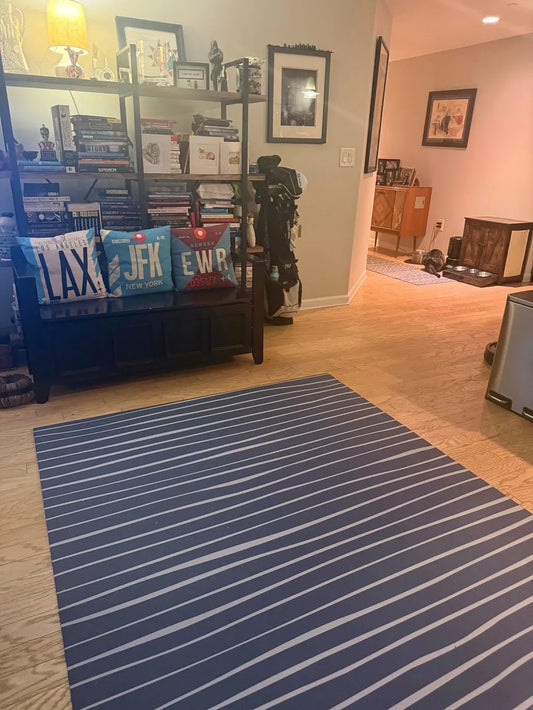
Hand-drawn patterned designs let the mat integrate with the room rather than announcing itself as gym equipment, which matters more than most home strength setups account for. A mat that reads as considered decor stays out in the living space; a mat that reads as gym gear ends up in the garage.
Available in Oversized 5x7 for solo dumbbell setups, Oversized 6x9 for kettlebell training and mixed configurations, and the rollable Studio Mat for portable bodyweight strength work. For the broader home-gym integration question, the post on carving out a home wellness space covers layout and design in detail.
For material feel before ordering, the swatch pack ships three real samples with $15 off the first Oversized mat.