How to Create a Home Workout Space in Your Living Room
Working out at home has become part of everyday life for many people, but not everyone has the space for a dedicated gym.
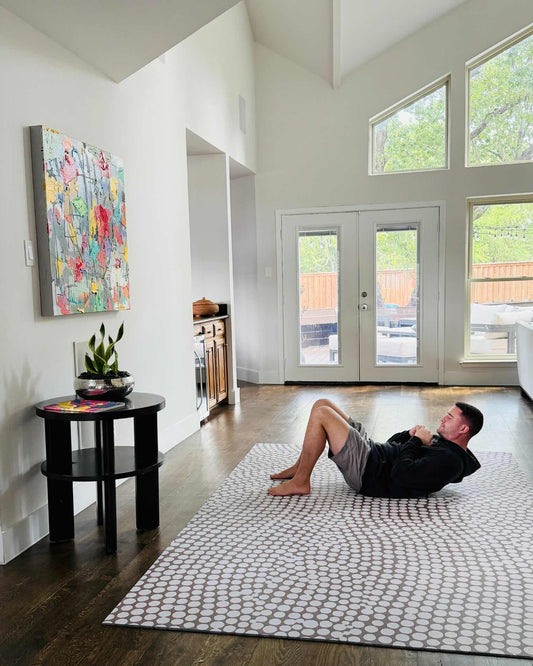
For most households, the living room becomes the default place for movement. It’s where yoga happens in the morning, quick workouts fit into busy schedules, and stretching becomes part of a daily routine.
The challenge is creating a space that supports movement without disrupting the look and feel of the room.
Why Living Rooms Are Becoming Workout Spaces
Modern homes are more flexible than ever. A single space often needs to serve multiple purposes throughout the day.
Living rooms are no longer just for relaxing. They are used for:
• quick workouts
• yoga and stretching
• playtime with children
• working from home
• entertaining guests
Because of this, the way a space is designed needs to support all of these activities without feeling cluttered or temporary.
What Makes a Functional Home Workout Space
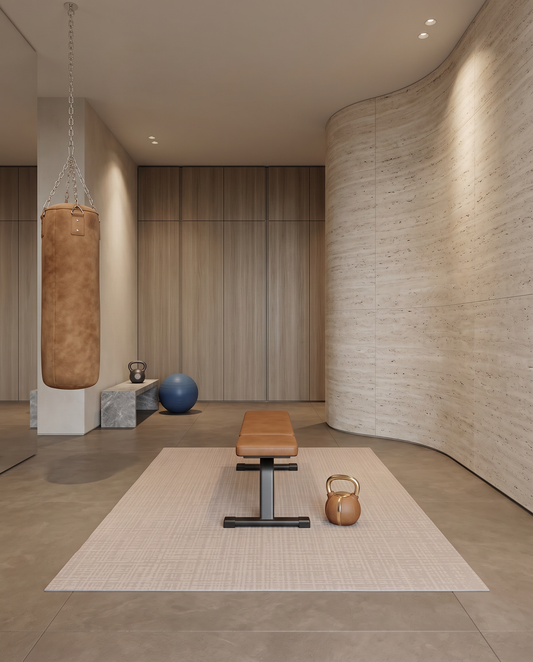
A good home workout space doesn’t require a large footprint or expensive equipment. Instead, it should feel easy to use and simple to maintain.
Key elements that make a difference include:
• A defined area for movement
• Enough space to stretch and move comfortably
• A supportive surface for floor exercises
• A setup that is easy to put away or reset
• Minimal visual disruption to the room
When these elements are in place, it becomes easier to stay consistent with workouts.
Designing a Space That Feels Cohesive
One of the biggest challenges with at-home workouts is maintaining a space that still feels like part of the home.
Bulky equipment or temporary setups can make a room feel cluttered. Instead, many people are choosing solutions that blend naturally with their existing decor.
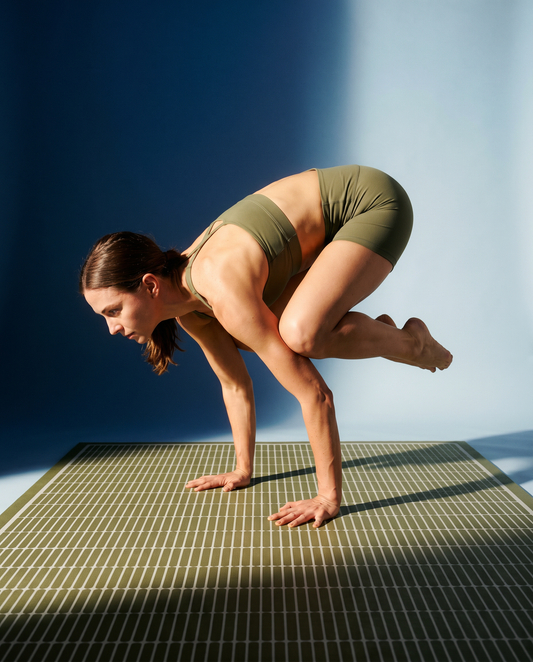
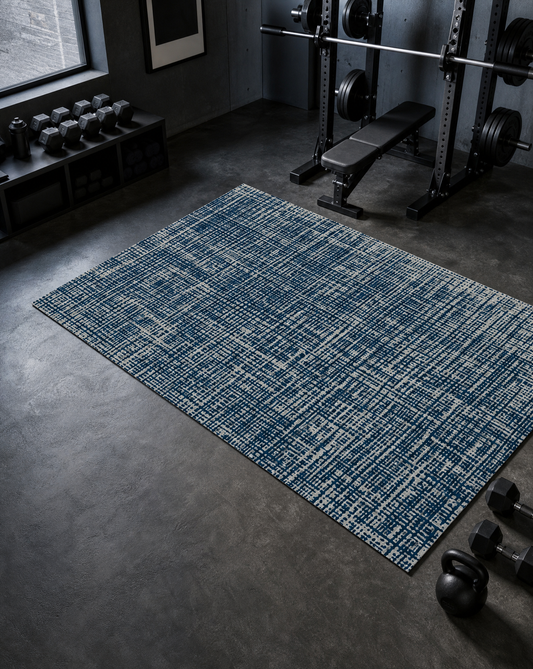
For example, this guide on choosing a stylish rug or mat that fits your decor and real life explores how functional pieces can integrate seamlessly into everyday spaces.
Creating Consistency Through Convenience
The easier it is to start a workout, the more likely it is to become part of a regular routine.
Spaces that require setup or rearranging furniture can create friction, making it harder to stay consistent over time. A dedicated, ready-to-use area—even within a shared space—helps remove that barrier.
This is one of the reasons many people prioritize simplicity when designing their home workout environment.
A More Flexible Approach to Movement at Home
At-home fitness doesn’t have to look like a traditional gym. In fact, many of the most effective setups are the simplest.
By designing a space that supports movement while still feeling like part of the home, it becomes easier to stay active without sacrificing comfort or style.
For additional inspiration on how design and movement can work together, this article on decorative yoga mats explores how home fitness spaces can feel both functional and visually cohesive.