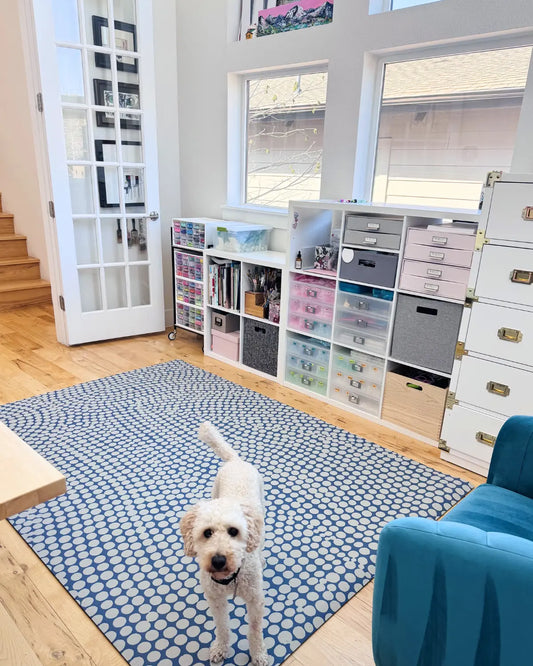
Housewarming Gifts for the Design-Conscious Homeowner
Most housewarming gifts fall into one of two categories. The first gets used once, at the housewarming itself, and then gets stored or quietly retired. A bottle of wine, a candle in a scent that does not match the house, a decorative object the recipient did not choose. The second earns a permanent place in the home and stays visible or useful for years.
The category the gift ends up in has less to do with price than with fit. A well-chosen twenty-dollar gift can land in the second category. A thoughtlessly chosen two-hundred-dollar gift can land in the first. What separates the two, and how to give a housewarming gift that lasts, is worth walking through carefully. Especially for the design-conscious homeowner, who is a specific audience with specific preferences.
Who counts as design-conscious
The design-conscious homeowner is not necessarily an interior designer or a design-industry professional. She is anyone who cares about how her home looks and puts effort into how it comes together. She reads shelter magazines occasionally, follows a few design accounts online, and has opinions about materials and color that inform her purchases.
What she has in common with other design-conscious homeowners is that she notices thoughtful gifts and dismisses generic ones. A candle in a scent she would not choose gets set aside. A candle in a considered scent from a maker she respects earns a spot on the shelf. The gift that lands well is one that fits her existing taste, not one that assumes her taste.
Why generic housewarming gifts miss
Three failure modes account for most housewarming gifts that end up stored.
The gift assumes the homeowner's aesthetic and gets it wrong. A decorative object in a style that does not match the home. A textile in colors that clash with the palette. A framed print with content the homeowner would not have chosen. All three come from the giver's aesthetic rather than the recipient's.
The gift is functional but redundant. A cutting board when the homeowner has one she likes. A serving bowl in the same category as three the homeowner already owns. A picture frame when the homeowner has a specific frame aesthetic she is building.
The gift is generic enough to be safe but forgettable. The bottle of wine, the box of chocolates, the general-purpose candle. Safe means the gift will not offend, and forgettable means it will not stay.
What the design-conscious homeowner actually appreciates
Four gift qualities tend to land well.
Materials that read as considered. Natural fiber, considered wood, hand-thrown ceramic, natural stone, hand-drawn textile. These materials work across most residential aesthetic directions and signal that the giver paid attention.
Utility that continues. A gift that gets used more than once. A serving piece the homeowner will pull out for dinners, a mat that lives in a room, a tool that supports a daily habit. Utility keeps the gift present.
Neutral enough to work with the existing aesthetic. Not a specific style pushed on the homeowner. A palette or material that is quiet enough to fit into what she is already doing rather than requiring her to redesign around it.
Coming from a maker or brand she respects, or would. A considered small maker, a design-forward specialty brand, or a category leader that carries design credibility. The provenance is often part of what makes the gift memorable.
Categories that consistently work for design-conscious homeowners
Home textiles in natural fiber. A linen throw, a hand-woven cotton blanket, or a natural fiber pillow cover. Neutral tones work best. The textile becomes part of the home's material system.
Considered wellness pieces. A well-made mat for a home wellness space, a cork meditation cushion, a considered set of cork or wood yoga blocks. The wellness category has grown enough that it now works well for gifting, and the homeowner who has not yet built a wellness setup often appreciates the anchor piece.
Kitchen tools that display well. A hand-forged knife, a well-turned wooden spoon, a considered cutting board. Pieces that live on the counter rather than in a drawer earn more presence.
Small maker ceramics or glassware. A hand-thrown vase, a set of hand-blown glasses, a considered small serving bowl. Small maker pieces often carry more character than mass-market equivalents.
Books that fit the homeowner's interests. A design monograph, a considered cookbook, or a book by a maker or writer the homeowner already follows. Books remain one of the few gifts that stay visible on shelves for years.
The housewarming card is not optional
The design-conscious homeowner tends to keep the cards that come with considered gifts. A handwritten card in the giver's own hand carries meaningful weight, and often stays displayed longer than the gift itself in the first few weeks.
The card is where the giver explains the choice. Why this specific piece, what the giver was thinking of when they chose it, or how they see it working in the new home. Two or three sentences, handwritten, is usually the right length.
The wellness room angle
Homeowners moving into a new home often defer the wellness room decision. The kitchen and the primary bedroom get furnished first, then the living room, then the guest room. The wellness space often waits.
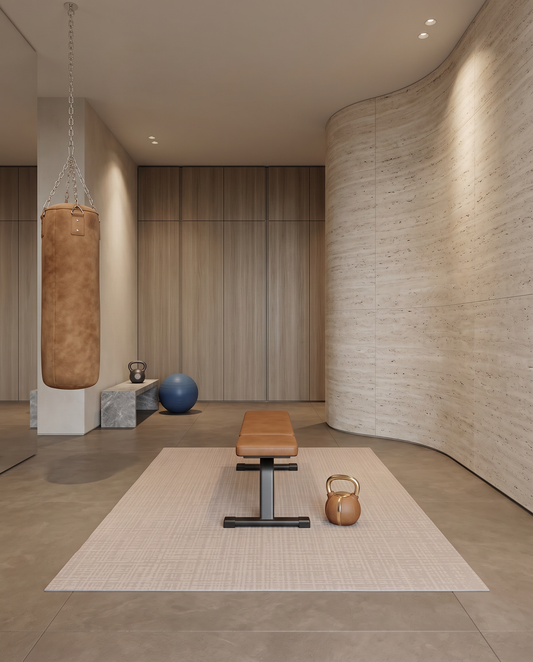
A housewarming gift that anchors the future wellness space is one of the more useful choices in that context. It gives the homeowner permission to think about the room and provides the piece the room usually gets built around. The mat as housewarming gift is a category worth considering specifically for anyone gifting to a homeowner in a larger house with rooms still being figured out.
Where Swankymat fits as a housewarming gift
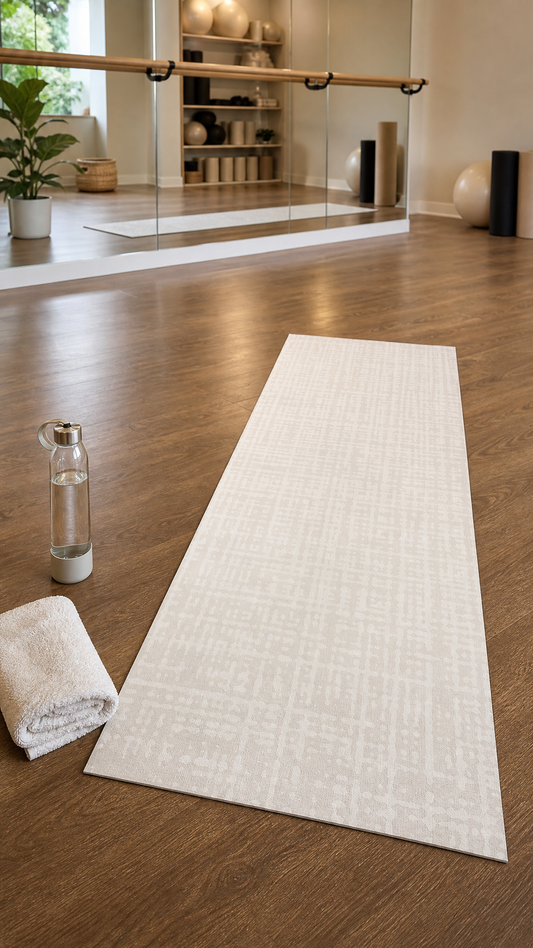
Swankymat is built as the kind of piece that anchors a future wellness room. Single-piece construction with no bonded top layer, so it lasts across the years the homeowner is figuring out how she uses the space. Six millimeters of dense supportive cushion. Hand-drawn patterned designs in restrained residential palettes that work across most home aesthetics. The waterproof surface handles the reality of a lived-in home. The inks on the printed surface are Greenguard Gold certified for indoor air quality.
Available in Oversized 5x7 for a defined-zone wellness space, Oversized 6x9 for a full-room anchor, and the rollable Studio Mat for smaller homes or homeowners who need a portable option first.
The Confidence Path to the Right Mat
Two low-risk starting points work well for anyone weighing the decision.
The Perfect Match Quiz takes sixty seconds and recommends a colorway and size based on the space and how the room will be used. Free.
The swatch pack ships three real material samples for $15, credited to your mat. Ordering swatches first unlocks the No-Sweat Guarantee. If you don't love your mat when it arrives, switch it within seven days, completely free. Swankymat pays return shipping. Swatch it, switch it free.
The Swankymat Promise
Every Swankymat is backed by four commitments. Built to Last, Backed for a Year, a one-year quality guarantee on manufacturing defects and premature wear. Easy 30-Day Returns, so you can live with your mat and send it back within thirty days if it is not right. Spills Happen, waterproof and wipe-clean, so real life wipes right off. No-Sweat Guarantee, for anyone who orders a swatch pack first. Free shipping on all orders in the Continental US, including HSA and FSA orders through TrueMed.