

Playroom Flooring Ideas That Are Safe, Stylish, and Easy to Clean
Designing a playroom often starts with a focus on safety, but many parents quickly realize that functionality and design matter just as much.
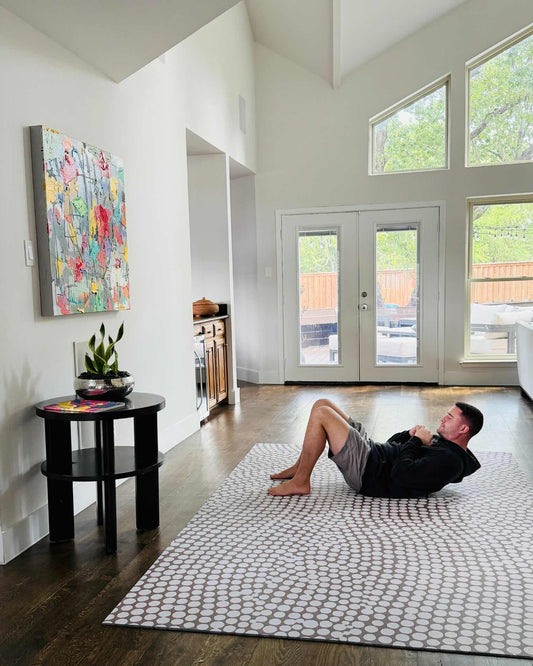
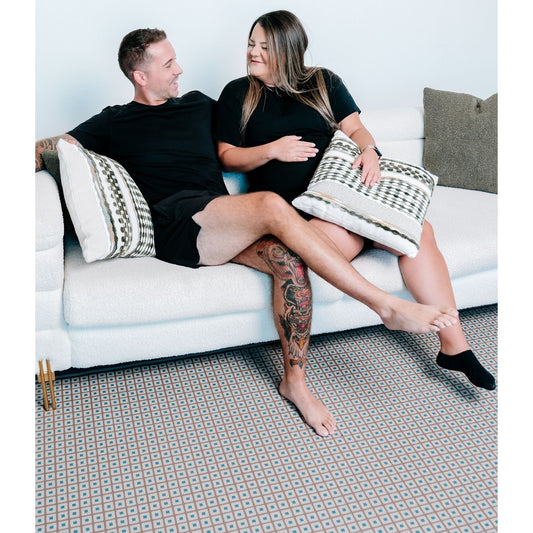
Today’s playrooms are rarely separate, closed-off spaces. More often, they are part of living rooms, shared family areas, or open-concept homes. That means flooring needs to support active play while still fitting seamlessly into the overall design of the home.
This is why many families are rethinking traditional playroom flooring and looking for options that are both practical and visually cohesive.
What Makes Playroom Flooring Work Well
The best playroom flooring supports movement while also making everyday life easier for parents.
Instead of focusing only on softness, families are now considering how flooring performs throughout the day.
Key features that make a difference include:
• Comfortable support for play, movement, and sitting
• Durable surfaces that hold up to daily activity
• Easy cleaning for spills, snacks, and crafts
• Large, continuous coverage to reduce seams and shifting
• Designs that blend naturally with the rest of the home
These elements help create a space that feels intentional rather than temporary.
Moving Beyond Temporary Flooring Solutions
Many traditional playroom setups rely on small mats or interlocking pieces that can shift, separate, or feel disconnected from the rest of the space.
As families spend more time in shared areas, these temporary solutions often become less practical. Parents begin looking for flooring that stays in place, looks cohesive, and supports a wider range of activities.
If you’ve ever wondered why puzzle-style flooring can become difficult to maintain over time, this article explains the most common challenges families experience.
Designing a Space That Grows With Your Child
Children’s needs change quickly, and the playroom should be able to evolve with them.
What starts as a space for simple floor play can quickly become an area for building, reading, creative projects, and movement. Flooring that works across all of these stages helps reduce the need for constant updates or replacements.
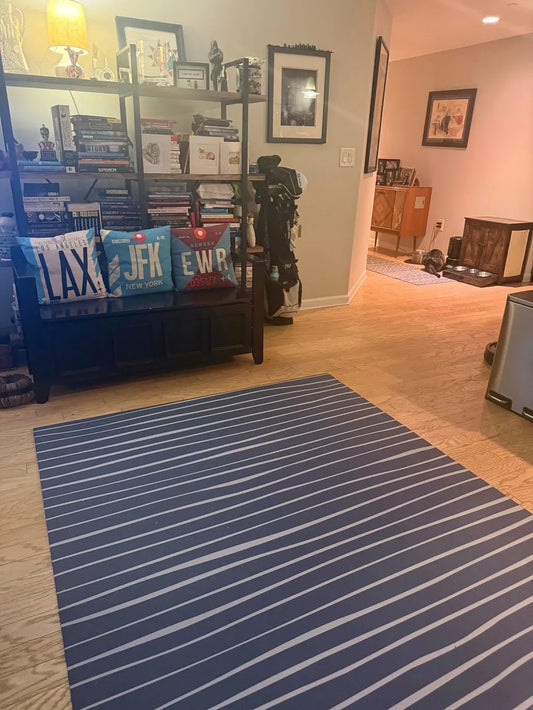
Large, flexible floor surfaces allow children to spread out, move freely, and transition between activities throughout the day, which is part of why so many families look to stylish playroom mats that hold up to real use.
Creating a Cohesive, Multi-Functional Space
In modern homes, playrooms often serve multiple purposes. The same space may be used for play in the morning, relaxing in the afternoon, and entertaining in the evening.
Designing with this in mind helps create a more cohesive and functional home.
For families looking to balance play with everyday living, this guide on creating multi-functional play areas without sacrificing decor offers helpful ideas.
A More Practical Approach to Playroom Design
Playroom flooring is no longer just about creating a soft surface for children. It is about designing a space that supports real life—one that can handle activity, adapt over time, and still feel like part of the home.
By choosing flooring that is both functional and visually cohesive, families can create spaces that are easier to maintain and more enjoyable to use every day.