


Promotional Products as Tax Write-Offs: A Guide for Client Gifts and Branded Items
Client gifts and promotional items are both common business expenses, and both can be tax-deductible. But the IRS treats them very differently. Understanding the distinction matters because the rules for one are tightly capped, and the rules for the other are not. This is a practical overview of how the categories work and how relationship-driven businesses (realtors, financial advisors, attorneys, accountants, consultants, doctors, dentists, agencies) can structure client appreciation in a way that the tax code recognizes.
This is general information, not tax advice. Confirm any specific deduction with a qualified CPA who knows your situation.
The $25 Client Gift Rule
The IRS sets a limit of $25 per person per year for business gifts. If you give a client a holiday gift basket that costs $150, you can deduct $25 of it. The remaining $125 is not deductible.
The rule is older than it sounds. The $25 figure was set in 1962 and has not been adjusted for inflation. In today dollars it would be roughly $250, but the IRS limit is still $25.
For high-touch client businesses, the $25 cap is a real constraint. A real estate agent who closes 30 deals a year and wants to give each client a meaningful closing gift cannot meaningfully express appreciation on a $25 budget. The same applies to financial advisors with quarterly reviews, attorneys with high-value client matters, and any service business where the client relationship is the core asset.
The Promotional Products Exception
The IRS code includes a separate category for promotional or advertising items, which is not subject to the $25 limit. The relevant section of the tax code treats branded items distributed to clients, prospects, or the public as advertising expense rather than as gifts. Advertising expenses are deductible without a per-recipient cap, subject to the normal ordinary-and-necessary tests.
What qualifies as a promotional item under the tax code is fairly specific. Three conditions tend to apply.
First, the item displays the giver's branding (logo, company name, or another clearly identifying mark) in a way that promotes the business.
Second, the item is distributed widely (to multiple clients, prospects, or the general public) rather than being a one-off luxury gift to a single recipient.
Third, the per-item cost stays in a reasonable range relative to standard advertising spend.
The IRS has historically applied a $4 per item informal threshold for items considered standard promotional materials (pens, mugs, t-shirts) where the branding makes the promotional intent obvious. For higher-value branded items, the analysis becomes more fact-specific, and the documentation matters.
How Relationship Businesses Use This in Practice
Several industries have built client appreciation programs around the promotional products category rather than the gift category.
Real estate. Branded closing gifts (housewares, doormats, branded folders for buyer paperwork) distributed across a year of closings tend to fit the promotional category when the branding is clear and the practice is consistent across clients.
Financial services. Branded materials given at quarterly reviews, annual meetings, or as welcome packages for new clients. The branding makes the promotional intent unambiguous.
Legal and accounting. Year-end branded items distributed to active client lists. The same logic applies.
Health and wellness practices. Branded items given to patients (water bottles, tote bags, recovery items) that double as ongoing visual reminders of the practice.
Consulting and agencies. Branded items sent to prospects, current clients, or as part of business development outreach.
In each case, the documentation tends to include records of who received the item, the branded nature of the product, and the consistent program rather than one-off discretionary giving.
What Documentation Helps
If the IRS audits an advertising deduction, three things tend to support the claim.
Distribution records (a list of recipients, even informally, demonstrates the program was distributed rather than personal).
Photo or sample of the branded item showing the company mark.
Invoices that show the items were purchased as part of a branded production run rather than as individual gifts.
A CPA can advise on whether your specific situation supports the promotional-products treatment over the $25 gift treatment. The conversation is worth having before the year ends if you spend meaningful money on client appreciation.
Where Swankymat Fits
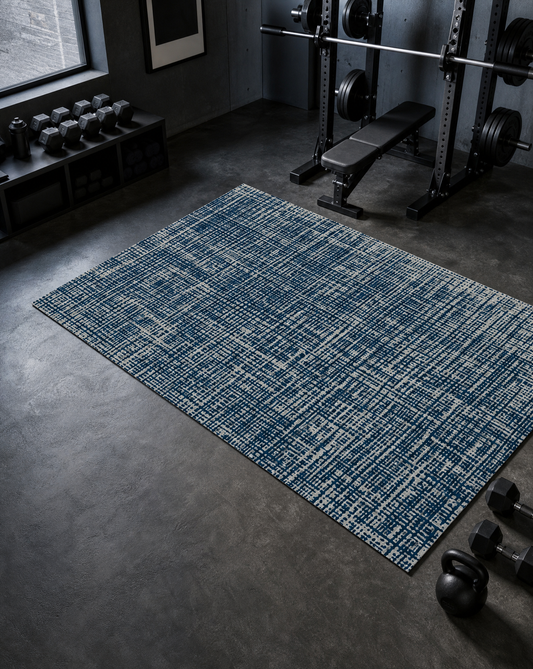
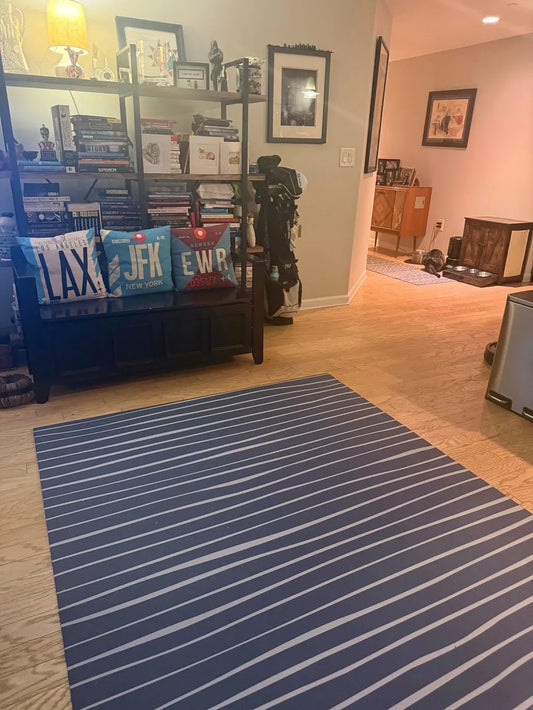
For relationship-driven businesses thinking about high-value client gifts that may qualify under the promotional category, branded floor mats are an emerging format. A Swankymat with a brand logo or co-branded element is a daily-use item with significant longevity. Clients see and use the gift consistently across years, which is the kind of repeated brand exposure the advertising category was designed to recognize.
For closing gifts in real estate, welcome packages for high-touch service businesses, or recognition gifts in long-cycle client work, a designed mat sits in a different visual category from the standard branded merchandise. Swankymat corporate gifting handles the production run, the branding, and the logistics for businesses ordering at scale.
The mats themselves are made from non-toxic, high-density foam that gives 6mm of supportive cushion, with a waterproof, wipe-clean surface and Greenguard Gold certified inks. Free from phthalates, BPA, and flame retardants. The brand longevity is real (the mat is designed to live on the floor permanently rather than being put away after use), and the recipient interacts with the surface daily.
For more on what makes a useful closing gift specifically, the post on the best closing gift for real estate clients covers the considerations.
To start a conversation about branded mats for client gifts, the Corporate Gifting page is the starting point.