

When Does a Play Mat Actually Make Sense in a Home?
A play mat makes sense when the floor becomes a place you actually use, not just walk across. For many households, that moment comes when play, movement, stretching, or workouts start happening in shared spaces instead of separate rooms.
Play mats aren’t just for one stage of life. They’re a response to how floors are used day to day.
Why people start considering a play mat
Most people don’t wake up planning to buy a play mat. They start noticing discomfort on hard floors, messes that are hard to manage, or a lack of space that feels comfortable for sitting, stretching, or moving around.
This is especially common in homes where living rooms double as play areas or workout spaces. When the floor becomes part of daily routines, the surface matters more than expected.
Is a play mat only for babies or kids?
Play mats are often marketed as baby products, but their function is broader than that. At their core, play mats create a softer, more comfortable surface for floor-based activity.
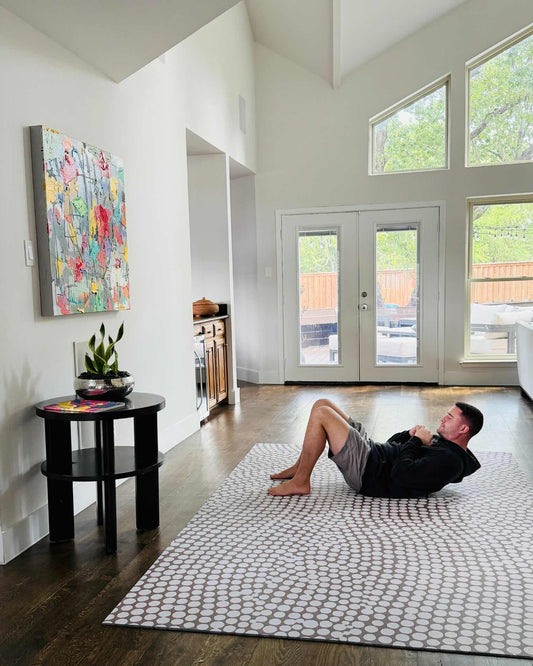
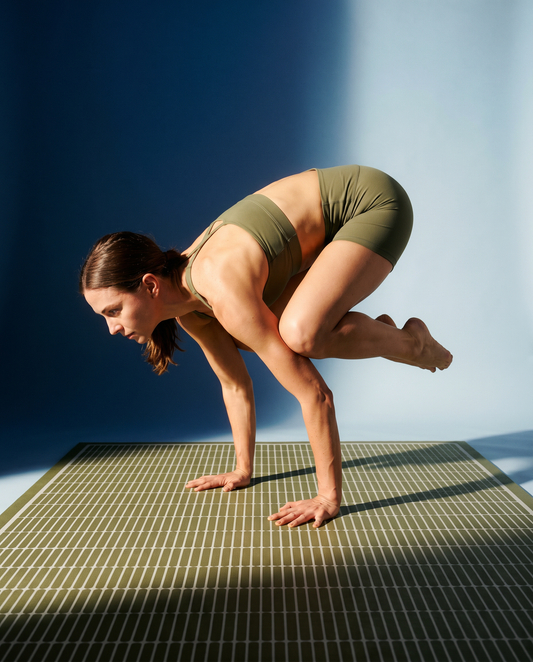
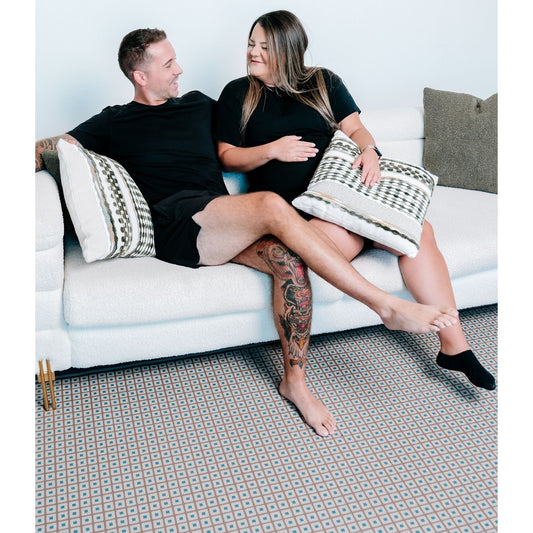
That can mean tummy time and play, but it can also mean sitting with kids, stretching, light workouts, or mobility work. In many homes, a play mat ends up being used by everyone, not just children.
If you’re curious how play mats can support adult movement as well, this guide on non-toxic play mats that double as yoga mats explains why versatility is often the deciding factor.
Where a play mat works best in the home
Play mats tend to work best in spaces that already see a lot of activity. Living rooms, open family rooms, and shared workout areas are common choices.
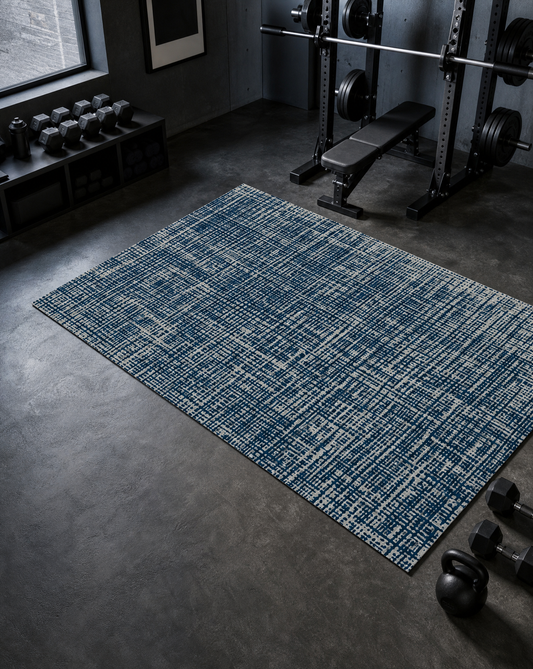
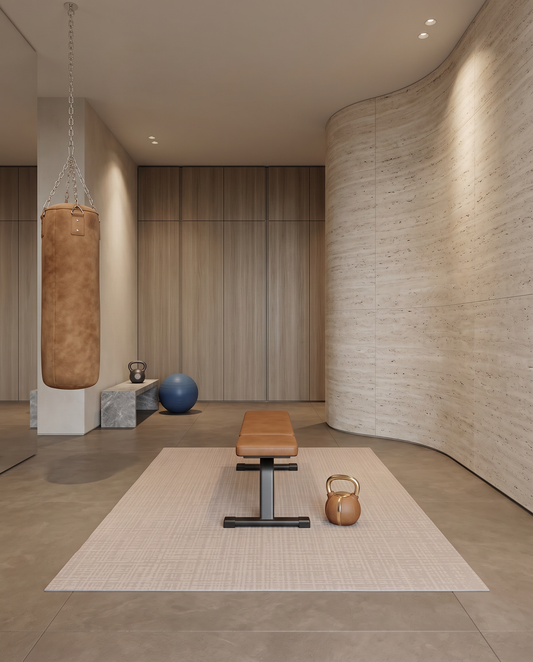
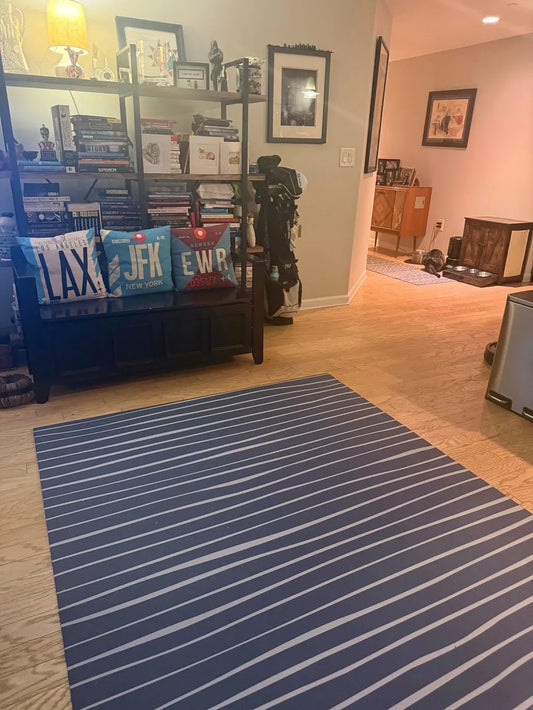
Instead of dedicating a room solely to play, many people use a play mat to make an existing space more comfortable and functional. When a mat integrates into the room visually, it’s more likely to stay out and actually be used.
How long people typically use a play mat
One of the biggest misconceptions about play mats is that they’re temporary. While some are designed for short phases, others are chosen specifically because they can grow with a household.
A well-designed play mat can move from early play to sitting, stretching, workouts, and everyday floor use. The more adaptable the surface, the longer it tends to stay relevant.
When a play mat becomes a long-term solution
A play mat makes the most sense when it supports multiple uses without constant setup or cleanup. Size, comfort, and ease of cleaning tend to matter more over time than age-specific features or themes.
When a mat works for play, movement, and everyday life, it stops feeling like a purchase for one phase and starts feeling like part of the home.
Where Swankymat fits in
Swankymat was designed for households that use their floors often. The non toxic extra-large, single-piece surface gives room for play while also supporting stretching, workouts, and floor time for adults.
The supportive, high-density cushioning works well on hard floors, and the wipe-clean surface makes everyday messes easier to manage. If you’re looking for a play mat that fits into real family life and shared spaces, you can explore the collection here.