

The 30-Day Wellness Reset: A Structured Approach for Real Life

A 30-day wellness reset is one of the more useful structures for changing habits at a sustainable pace. Long enough for real behavior change to lock in, short enough that the commitment feels bounded. The framework below covers movement, sleep, food, and screen time in four one-week blocks, with each week adding one focus rather than trying to change everything on day one.
Why 30 Days
The 21-day habit myth is overstated in the science, but the general research on habit formation supports something in the 30-to-66-day range for new behaviors to feel automatic. Thirty days sits at the low end of that range and works well for the majority of small-to-moderate changes. It is also short enough to fit within a single monthly rhythm.
The structure that produces the best outcomes tends to be additive rather than restrictive. Adding one new habit each week produces better results than eliminating multiple habits simultaneously.
Week 1: Movement
The first week adds a daily movement practice. Not intense, not long — 15 to 20 minutes of mobility, stretching, or gentle floor work is enough. The goal is showing up, at the same time every day, at the same physical location.
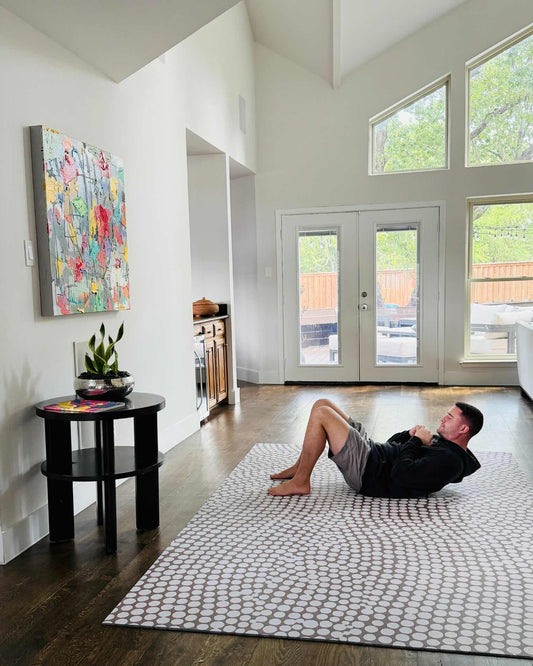
Concrete structure: 15 minutes on the mat, immediately after waking or immediately before bed. Cat-cow, hip circles, a few basic stretches, three minutes of stillness at the end. That's the whole practice.
What to notice: by day 5, the practice starts to feel automatic. By day 7, missing a day feels off. That is the habit locking in.
Week 2: Sleep
Add one sleep adjustment while continuing the daily movement. The single most impactful sleep change for most adults is a consistent wake time (within 30 minutes) seven days a week, including weekends.
Concrete structure: choose a wake time. Set the alarm. Hold the time even on weekends. Optional additional adjustment: no phone in bed for the first or last hour of the day.
What to notice: energy in the afternoon changes noticeably within 4 to 5 days of a consistent wake time. Morning grogginess reduces even if total sleep hours stay the same.
Week 3: Food
Add one food change while holding the previous two. Restrictive diets tend to fail during a wellness reset. A more useful food change is adding rather than removing. Adding a protein source at breakfast, adding vegetables at lunch and dinner, adding water throughout the day.
Concrete structure: one specific addition (30 grams of protein at breakfast is a strong default for most adults). Track for the week. No elimination required.
What to notice: mid-morning energy tends to stabilize with a real protein breakfast. Cravings for sugar and refined carbs often decrease within a week.
Week 4: Screens
Add one screen change while holding the other three. The single most impactful screen change tends to be phone-free time immediately after waking and immediately before sleep.
Concrete structure: no phone for the first 30 minutes after waking and the last 30 minutes before sleep. The mat practice from Week 1 can occupy one of those windows.
What to notice: attention span at work tends to improve within a few days. Mood stability improves for many people. Sleep quality improves for most.
What to Expect Across the 30 Days
Days 1 to 7: motivation is high. Everything feels manageable. The habit stack is still small enough to fit easily.
Days 8 to 14: the honeymoon phase ends. This is when most 30-day resets fail. The person who continues past day 10 tends to make it to day 30.
Days 15 to 21: the habits start to feel automatic. Missing a day feels off. Motivation is replaced by routine, which is the more sustainable driver.
Days 22 to 30: the practices become identity. You are a person who moves in the morning, sleeps consistently, eats intentional breakfasts, and does not scroll first thing.
What to Keep After Day 30
The reset is not the goal. The reset is the setup for the practices that continue after. At day 30, most people can hold three of the four changes long-term. Which three depends on the person. The framework works because the additive structure lets you find out.
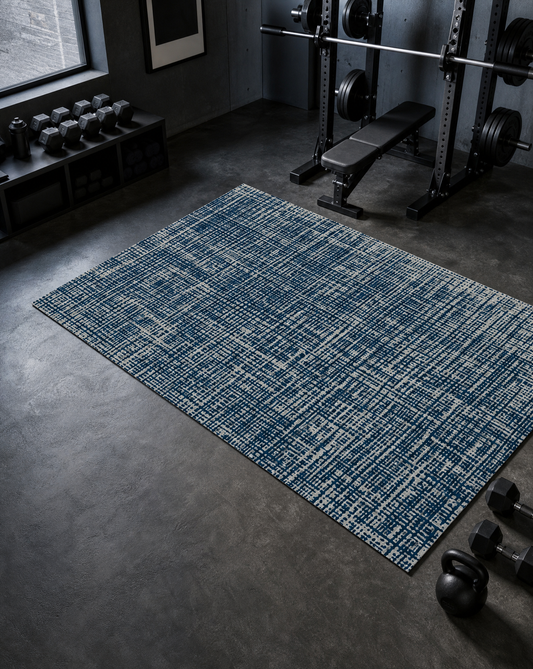
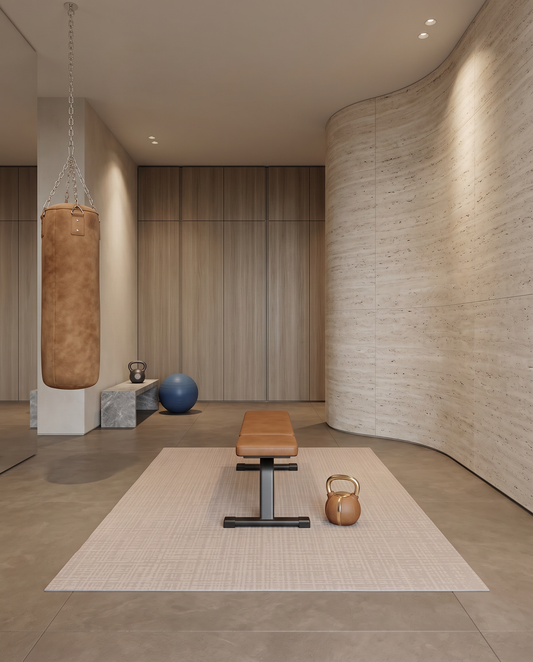
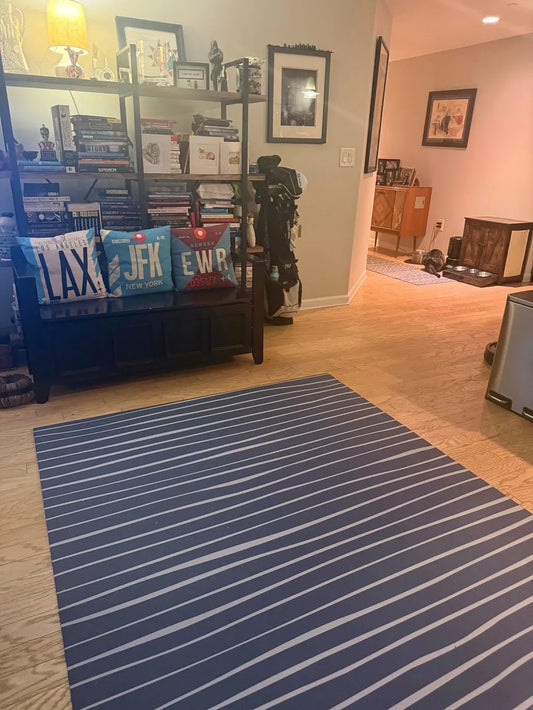
For the physical setup that supports the movement piece specifically, a mat that stays out on the floor removes the setup friction that breaks morning practices. Swankymat is calibrated for daily mixed-format practice: non-toxic high-density foam with 6mm of supportive cushion, a waterproof wipe-clean surface, and Greenguard Gold certified inks. The Oversized 5x7 fits most defined practice zones; browse the full collection to see the palettes that fit a designed home.
For a shorter version of the movement piece on days that run tight, the post on movement microhabits covers the five-minute practice. For the broader case for building a sustainable home practice, the post on simple wellness at home walks through the surrounding day.