


A Back-to-School Reset: The Movement and Homework Corner Kids Actually Use
The back-to-school setup most homes reach for is a desk and a chair. It looks right in the catalog and works for about twenty minutes, because the thing standing between a kid and their homework is rarely the desk. It is the energy that has to go somewhere first. A corner that handles both the focus and the movement does more than a desk alone ever will, and it does not take a dedicated room.
Here is how to build one that earns its square footage.
Start With the Floor, Not the Desk
Kids do a surprising amount of their best thinking on the ground. They read on it, build on it, sprawl across it with a worksheet, and burn off the wind-up energy that has to clear before they can sit and focus. A defined floor surface gives all of that a home and keeps it from spreading across the whole room.
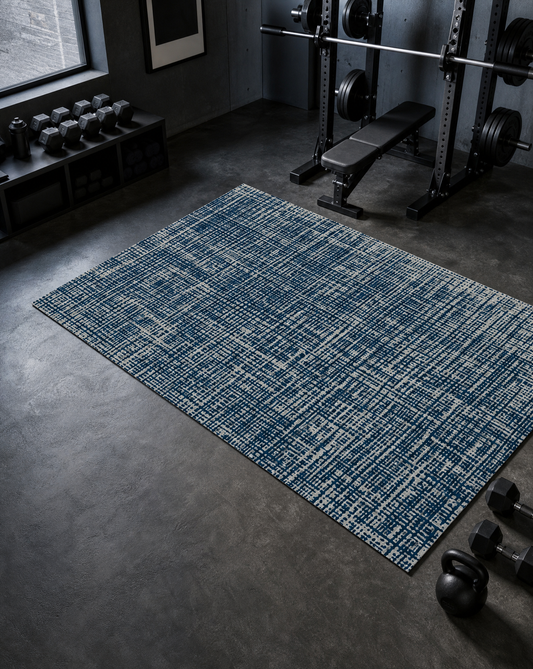
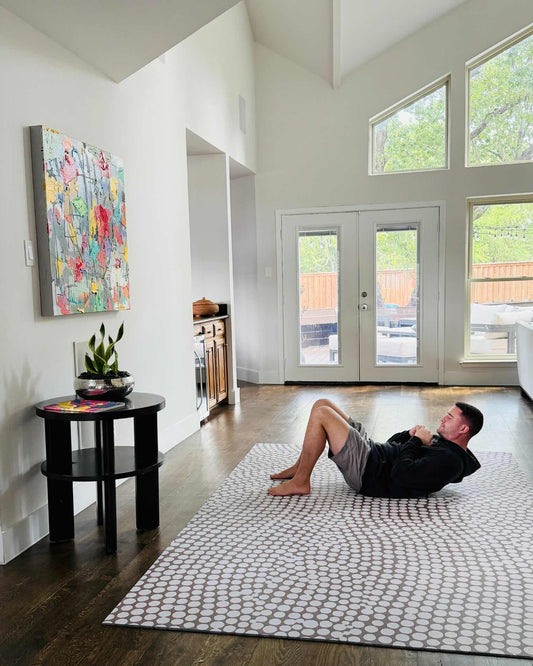
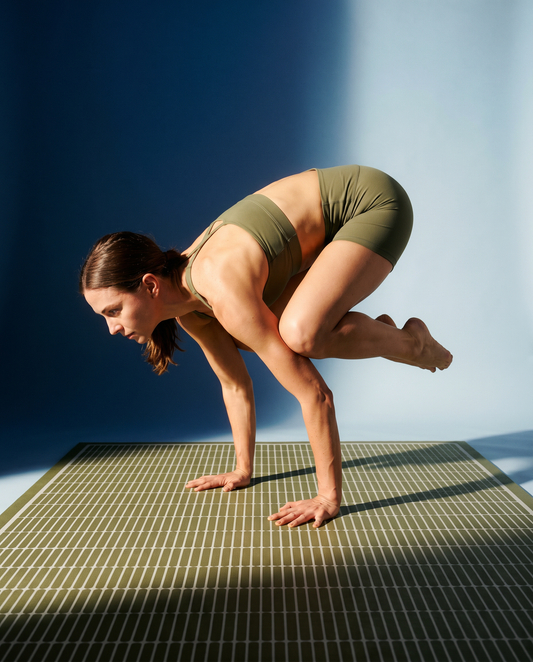
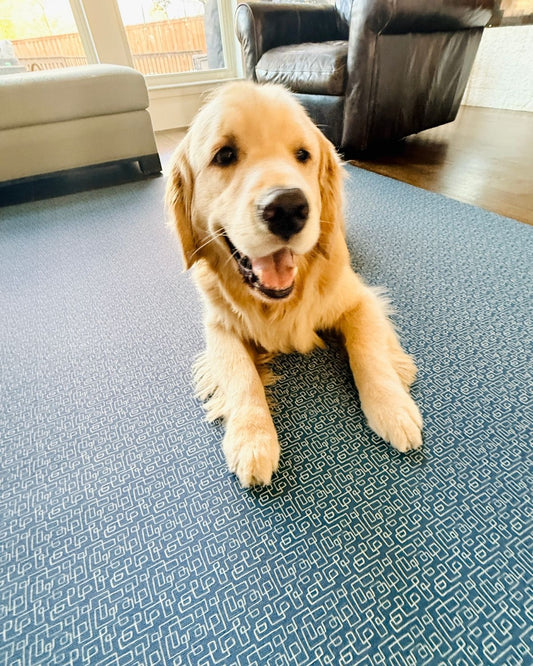
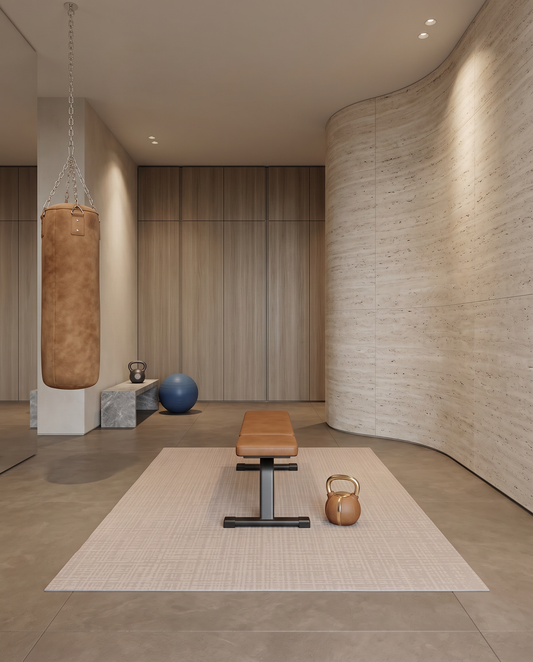
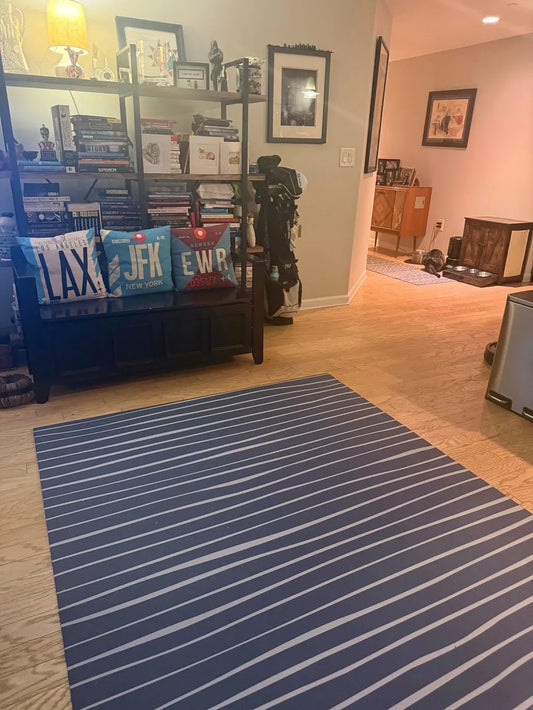
One large, comfortable mat is the anchor. It marks the zone, cushions the floor time, and gives a clear answer to where this happens. A Swankymat works here because it is sized like a small room rug at 5x7 or 6x9 feet, with 6mm of cushion that makes the floor comfortable for stretching, reading, or a few minutes of moving around between assignments. It is a single waterproof piece that wipes clean with a damp cloth, which matters in a corner that will see markers, snacks, and shoes.
Build the Corner Around Three Zones
The move zone. The open floor on the mat. This is where the energy goes before homework and where a tired kid resets in the middle of it. A few minutes of stretching, animal walks, or just rolling around clears more focus-blocking restlessness than forcing stillness ever will.
The focus zone. A small desk or a low table at the edge of the mat. Keep it nearly empty. One light, a cup for pencils, and nothing else. The clutter that accumulates on a homework desk is the clutter that ends the homework.
The reset. A basket or low shelf within arm's reach holding the three or four things that actually get used: the current book, the supplies for this week, headphones, a water bottle. Everything else lives elsewhere. A corner stays a corner only if its storage is small enough to stay honest.
Keep It Looking Like Part of the Home
The reason most kid setups get dismantled is that they are loud. Primary-colored furniture, foam letters, plastic everything. It reads as a daycare in the middle of a room the adults also live in, and the instinct to clean it up wins by October. A back-to-school corner lasts when it looks like it belongs.
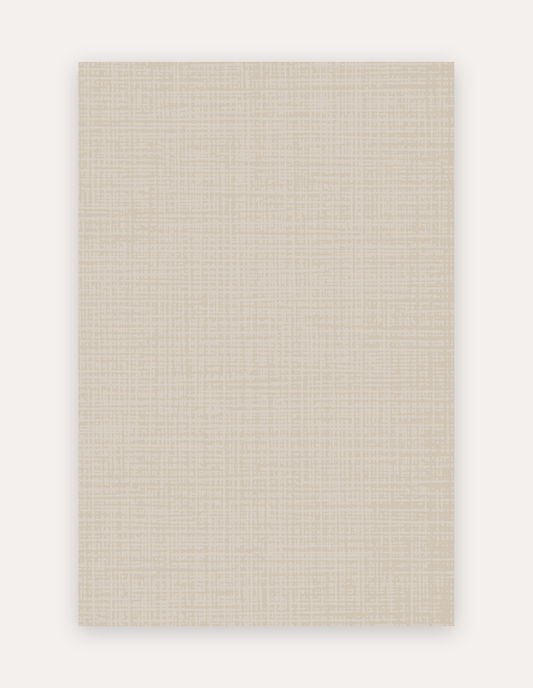
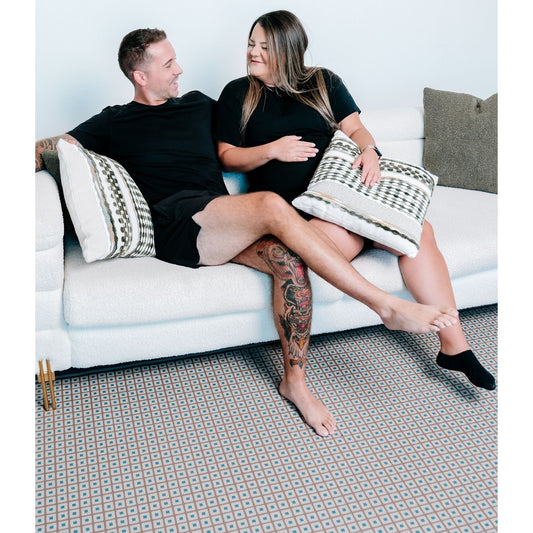
That is mostly a matter of the surface and the palette. A mat with a modern design crafted to work in a stylish home, in a neutral like the Sloane Mat in Dust, the Maisy Mat in Fawn, or the Rhodes Mat in Camel, anchors the corner without shouting, and it sits comfortably in a living room, a bedroom, or the end of a hallway. The setup reads as part of the home, which is what keeps it standing past the first month.
Why One Surface Beats a Pile of Stuff
The temptation at back-to-school is to buy a system: the desk, the organizer, the chair, the bins, the wall calendar. Most of it ends up unused. The setups that work are the simple ones built around a single surface that does several jobs. The mat is the floor for movement, the spot for reading, the soft place for a frustrated kid to reset, and the visual anchor that says this corner is for getting things done. One surface, used daily, outperforms a system that looks complete and gathers dust.
It is also non-toxic, BPA-free, phthalate-free, and flame-retardant-free, and it exceeds US and European safety standards, with Greenguard Gold certified inks on the printed designs. For a surface a kid spends real time on, that is worth confirming.
For more on building kid-friendly spaces that still look like home, see our guide to non-toxic play mats that double as yoga mats, or browse the modern Swankymat collection to find a neutral that fits the room.