

Building a Capsule Athletic Wardrobe: 15 Pieces That Cover Most of the Year

A capsule wardrobe is the practice of owning a small number of versatile, high-quality pieces that combine in many ways rather than owning a large number of single-use items. The concept originated as a fashion editor framework in the 1970s and has since expanded into travel wardrobes, work wardrobes, and, more recently, athletic wardrobes.
A well-built capsule athletic wardrobe covers most training days and most daily wear with roughly fifteen pieces. It saves closet space, reduces decision fatigue, and produces meaningfully better cost-per-wear economics than owning three times as many disposable pieces.
Why the Athletic Category Suits Capsule Thinking
Athletic pieces get worn hard. A pair of leggings put through 60 workouts a year sees more wear in one year than a wool sweater sees in ten. Which means the material quality difference between a designer piece and a fast-fashion piece shows up faster.
The category also has fewer style variables than a general wardrobe. Athletic pieces have to move, sweat, wash, and hold shape. Those requirements narrow the field to a small set of construction principles, which makes the capsule framework easier to apply than it is for casual or formal wear.
The Fifteen-Piece List
The list below covers most training formats (yoga, Pilates, strength, run, walk) and doubles as daily wear for people who work from home or maintain an active lifestyle.
Bottoms (4 pieces). Two pairs of full-length leggings in neutral colors (black plus one warm neutral). One pair of shorter shorts for warmer training. One pair of loose-fit trousers or joggers for post-workout wear.
Tops (5 pieces). Two fitted tanks or workout tops in the same neutrals as the bottoms. Two long-sleeve pieces (one fitted for cool weather training, one relaxed for post-workout). One structured sports bra as a top layer for lower-impact days.
Support layers (2 pieces). One high-impact sports bra for running and HIIT. One medium-impact sports bra for yoga, Pilates, and daily wear.
Outerwear (2 pieces). One lightweight zip jacket for warm-up and cool weather. One heavier hoodie or fleece for cold days.
Accessories (2 pieces). One pair of quality training shoes appropriate to your primary activity. One pair of walking or lifestyle sneakers.
The Cost-Per-Wear Framework
Capsule wardrobe economics work when the pieces last long enough to justify their initial cost. A designer legging at four times the price of a fast-fashion legging pays for itself when it lasts four times as long, which the material quality difference usually delivers.
A rough framework for the calculation. Take the purchase price divided by expected wears over the life of the piece. A designer legging worn 100 times a year for three years has a cost per wear that is often lower than a fast-fashion legging that pills after twenty wears and gets replaced twice a season.
The math favors designer investment when the pieces are core wardrobe items worn frequently. It does not favor designer investment for niche or trend pieces worn a few times.
What Not to Buy for a Capsule
Loud prints, trend colors, and novelty pieces that will not still be in rotation in three years. A capsule wardrobe is built around neutral base pieces that combine, not around statement items that clash.
Duplicate items in different colors of the same style. If the black legging works for every activity, a red version is not a wardrobe expansion; it is a wardrobe duplication.
Anything that requires special care that you will not consistently give it. Delicate hand-wash pieces sound sustainable but tend to end up unworn.
Rotation and Replacement
A capsule wardrobe is not static. Pieces wear out; a well-built system replaces them one at a time rather than replacing the whole closet each season. Track the pieces that show wear first (usually the highest-frequency leggings and sports bras) and plan a single replacement each quarter rather than a batch replacement each year.
For the aesthetic and design side of the athletic category more broadly, the post on designer athletic gear covers the cultural shift the category has been through in the last decade.
The Floor the Wardrobe Trains On
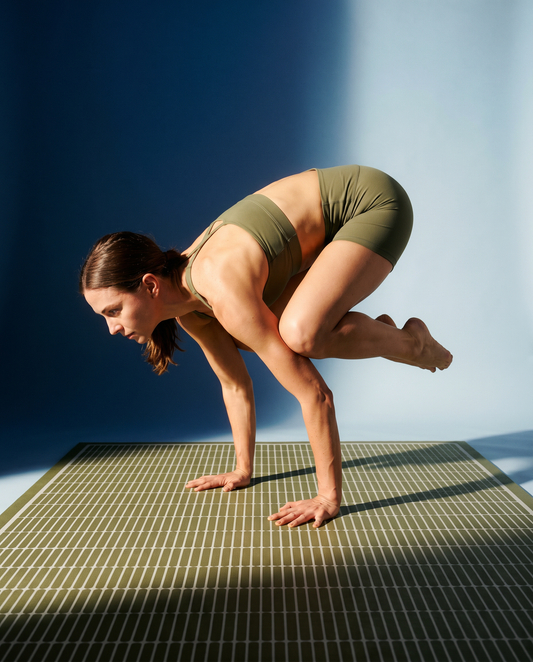
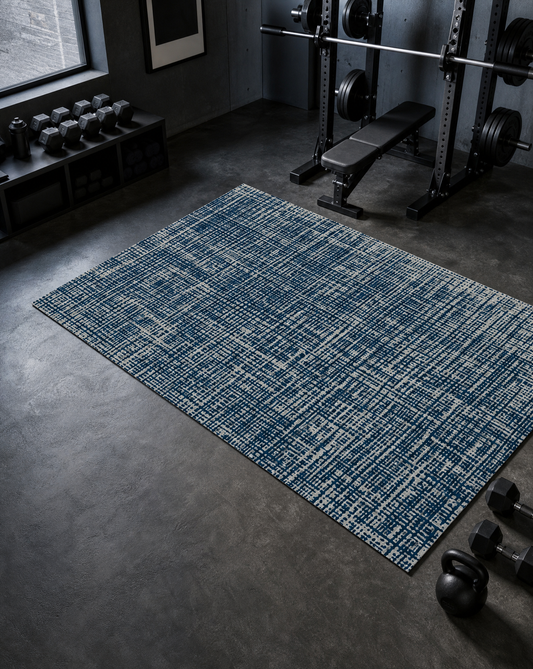
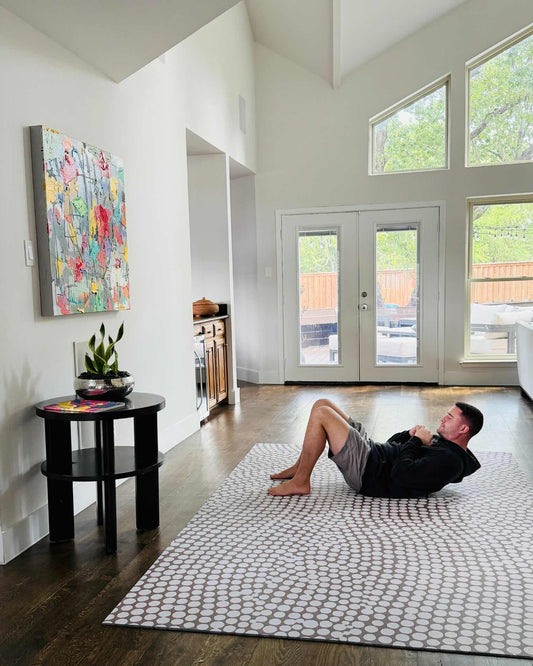
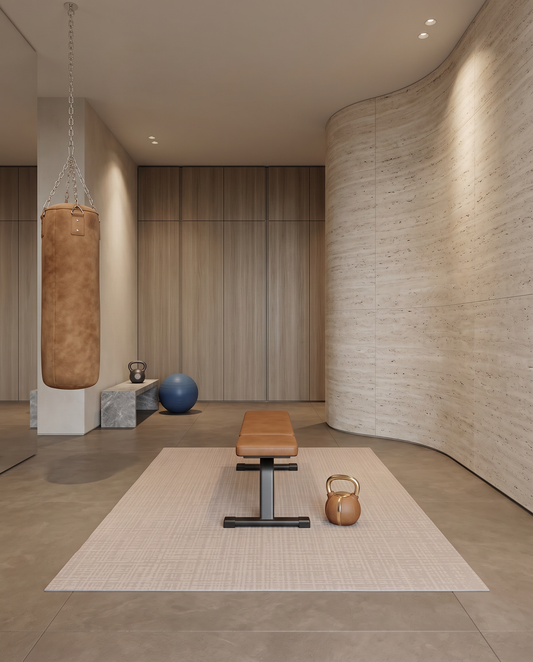
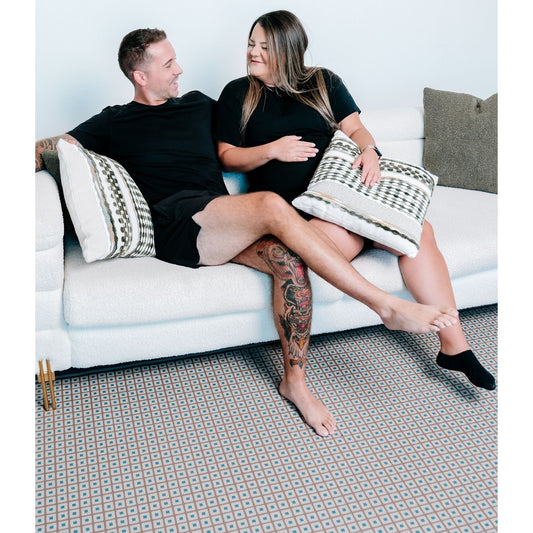
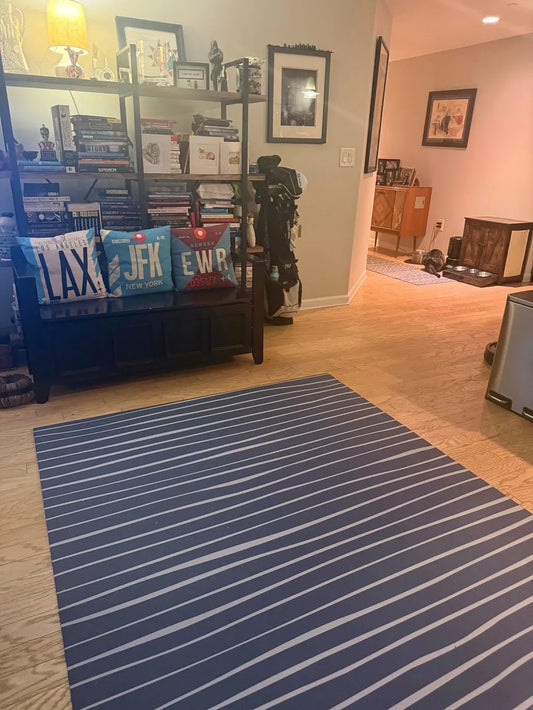
A capsule athletic wardrobe and a considered home training space share the same design logic. Fewer pieces, higher quality, longer life, better aesthetics. Swankymat sits in that category for the floor surface: single-piece non-toxic high-density foam with a waterproof wipe-clean top and Greenguard Gold certified inks, designed to live on the floor for years rather than to be rolled and stored between sessions.
For the broader case for aesthetic integration of the training space with the rest of the home, the post on a decorative yoga mat covers the design register. Browse the full mat collection to see the palettes that pair well with a considered athletic wardrobe.