Do You Really Need Different Mats for Yoga and Workouts?
As home workouts become more varied, a common question comes up: do you actually need separate mats for yoga and for workouts, or is one enough?
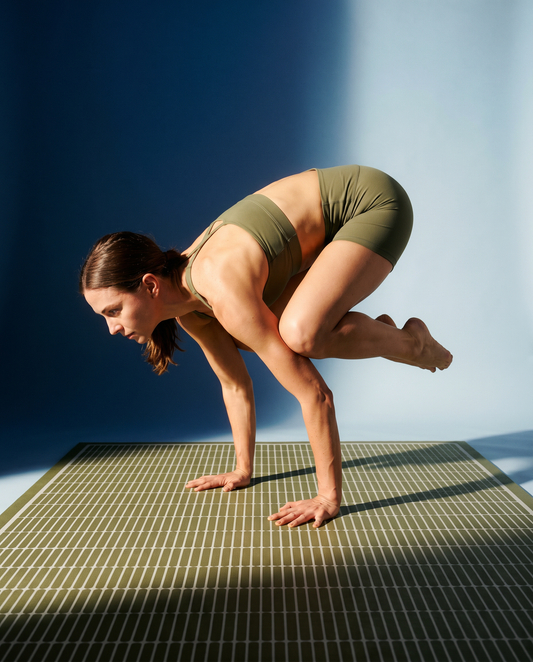
On paper, it can seem like different activities require different gear. Yoga mats are often associated with grip and balance, while workout mats are marketed for strength training or floor exercises. In practice, most home routines don’t stay neatly in one category.
For many people, a single workout includes stretching, yoga-inspired movement, core work, and strength exercises all in one session. Switching mats mid-workout isn’t realistic, and storing multiple mats isn’t always practical either.
Why the distinction matters less at home
In studios, mats are designed around space constraints and specific classes. At home, the environment is different. You’re not limited to a narrow strip of floor, and you’re not moving through one rigid format.
What matters more than the label on the mat is how it supports movement across different exercises. Surface area, stability, and comfort tend to have a bigger impact on the experience than whether the mat is marketed as “yoga” or “exercise.”
Key takeaway: at home, versatility often matters more than specialization.
Where traditional yoga mats fall short
Yoga mats are typically designed to be lightweight and portable. That’s helpful for commuting to class, but less helpful for home workouts that include lunges, planks, or floor-based strength work.
Smaller mats can feel restrictive when movement extends beyond standing poses. Over time, that limitation becomes noticeable, especially for people who mix yoga with other forms of exercise.
If you’re curious how mat size affects movement, this breakdown of yoga mats versus exercise mats explains what actually matters for home workouts.
When one mat makes more sense
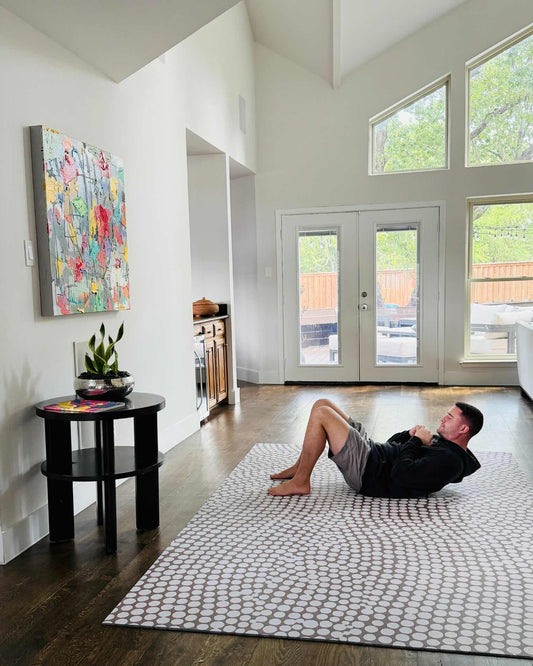
For most home routines, one well-designed mat is easier than juggling multiple surfaces. A larger mat creates a defined space for movement, while supportive cushioning makes it comfortable for both slow flows and strength-based exercises.
Using a single mat also reduces friction. When your workout surface is already in place and ready to use, starting a session feels simpler. That consistency is often what keeps people coming back.
Choosing a mat that adapts to your routine
Instead of asking whether a mat is meant for yoga or workouts, it’s more helpful to ask how it fits into your actual routine. Does it give you enough room to move? Does it feel stable during transitions? Is it comfortable enough for floor work?
A mat that answers yes to those questions can replace multiple single-purpose options.
Where Swankymat fits in
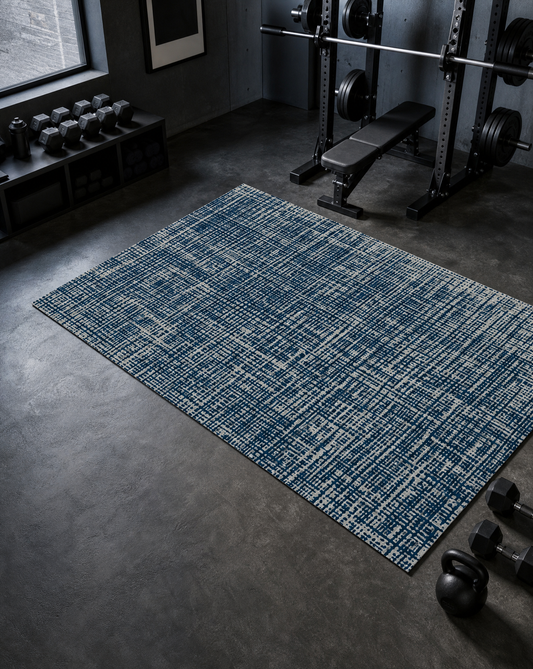
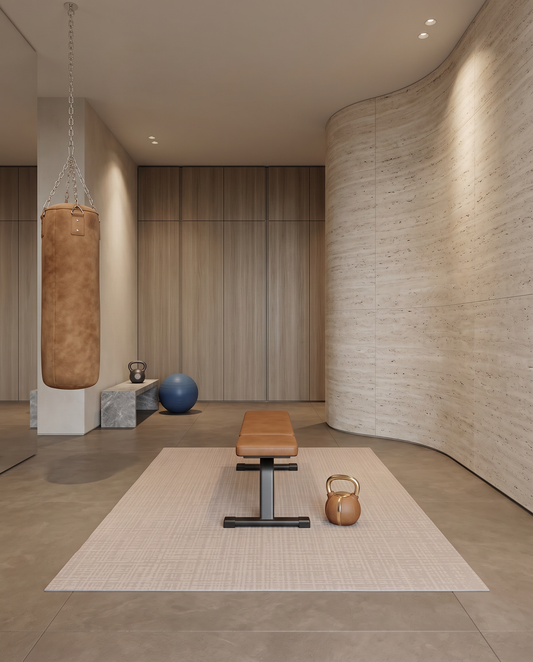
Swankymat was designed for people whose workouts don’t stay neatly divided. The non toxic, extra-large, single-piece surface supports yoga, strength training, Pilates, and floor exercises on one continuous mat.
Its supportive, high-density cushioning works across different movement styles, making it a practical choice for home workouts that blend disciplines. If you’re looking for one mat that can replace several, you can explore the collection of workout mats for yoga and exercise here.
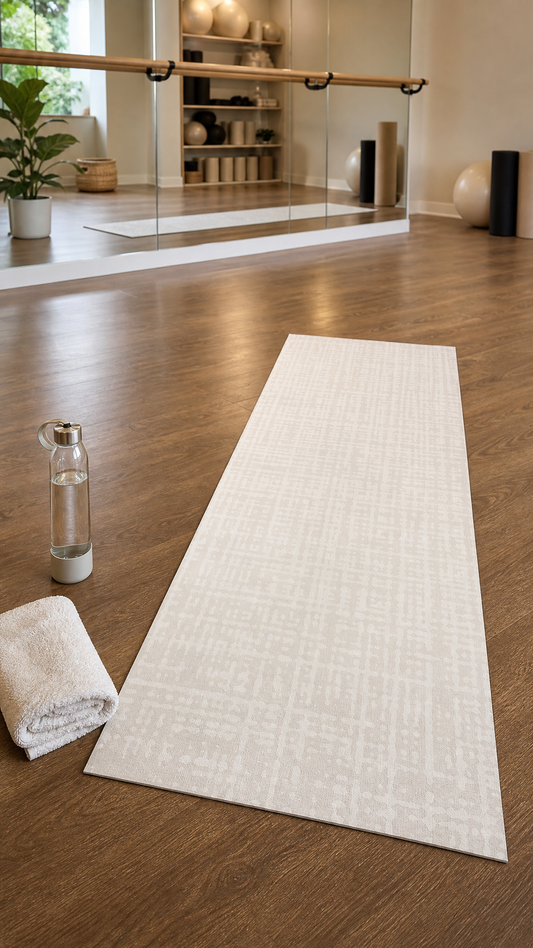
And if your home practice leans heavily toward yoga or Pilates without the strength side, our Studio Mats are the traditional rollable format in our non-toxic build — designed for the practitioner who wants one focused, beautiful mat for class and home.