

Extra Large Yoga Mats for Tall People and Home Studios

The standard yoga mat is 68 inches long by 24 inches wide. That size was standardized for shared studio use where mats needed to fit efficiently in a class grid, not for anatomical fit or home practice comfort. Tall practitioners, dedicated home practitioners, and anyone who values a fully contained practice surface tend to outgrow the standard within the first year of consistent practice.
This post covers who actually benefits from an extra large yoga mat, what dimensions make sense for different practice types, and how to think about the transition from standard to oversized.
Who the Standard Mat Was Designed For
The 68-by-24 standard fits a practitioner around 5-foot-8 with a moderate stance width. For that practitioner in a shared studio, the mat provides adequate coverage for most poses without encroaching on the neighboring practitioners space.
The standard breaks down in three specific scenarios: taller practitioners, wider-stance styles, and any practice happening off the mat in Savasana or floor work.
The Height Problem
Practitioners over 5-foot-10 typically find their feet or head off the mat in standing forward folds, wide-legged poses, and any prone or supine position. The result is either constantly repositioning to stay on the mat, or accepting that part of the practice happens on the floor next to it.
Neither compromise is ideal for a daily practice. Standing balance work requires stable footing across the full stance; if the front foot is on the mat and the back foot is on the floor, the surface differential affects the balance work meaningfully. Floor work requires the head and shoulders on the same cushioned surface as the pelvis; if the head is on the hardwood, the neck strain is different.
The Wide-Stance Problem
Warrior sequences, wide-legged forward folds, and prone recovery poses often exceed the 24-inch mat width. The practitioner ends up with hands or feet off the mat during pose transitions, which affects both grip and the visual sense of contained practice space.
For yin and restorative practices where the practitioner spends long periods in wide-supported positions, the standard mat width forces awkward compensations.
How Home Practice Changes the Sizing Question
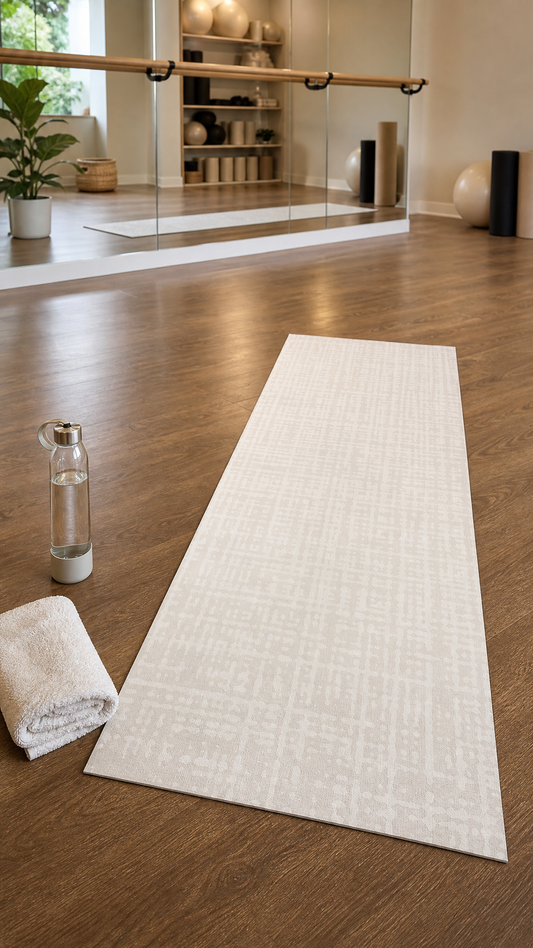
The extra large yoga mat conversation shifts fundamentally when the practitioner is home-based rather than class-based. The mat no longer has to roll up. It no longer has to fit a shared studio grid. It no longer has to travel.
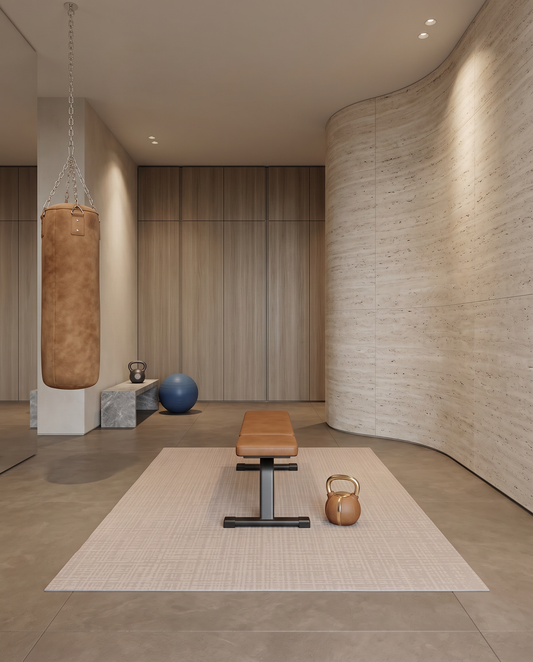
What it does have to do is contain a full home practice including standing sequences, floor work, meditation, and often light strength work with dumbbells or bodyweight. That functional requirement points to a larger footprint than any traditional yoga mat provides.
For dedicated home practitioners, the shift from a rolled travel mat to a permanent oversized practice surface tends to increase daily practice frequency. A mat that stays out gets used more often than a mat that lives rolled in a corner.
The Swankymat Approach to Extra Large
Swankymat is built specifically for the home-practice category rather than for the shared-studio category. Three sizes covering the extra-large spectrum.
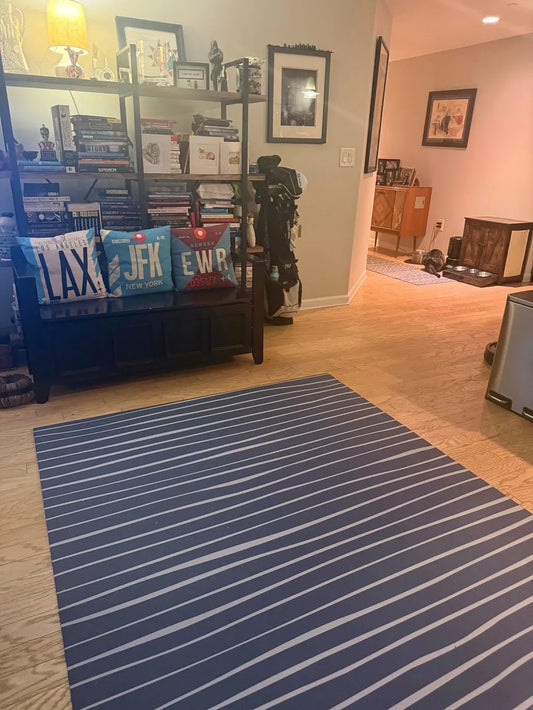
Oversized 5x7 (60 by 84 inches). The dedicated home-practice size. Fits any practitioner in any pose with full margin, and works for one-person practice with room for props or a small dog.
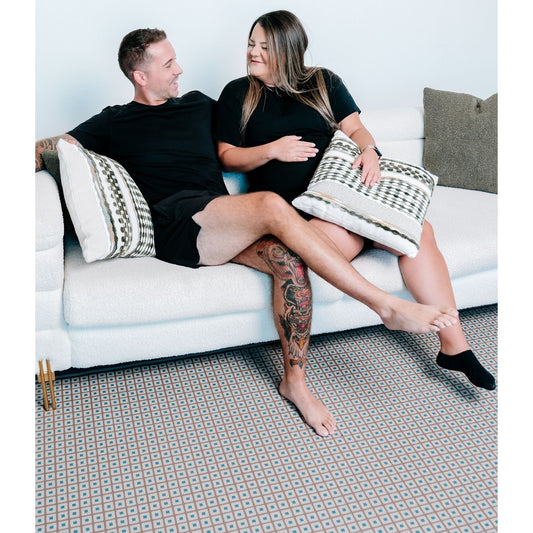
Oversized 6x9 (72 by 108 inches). The home-studio size. Fits two practitioners side-by-side, accommodates couples practice, and functions as the primary floor surface for a dedicated practice room.
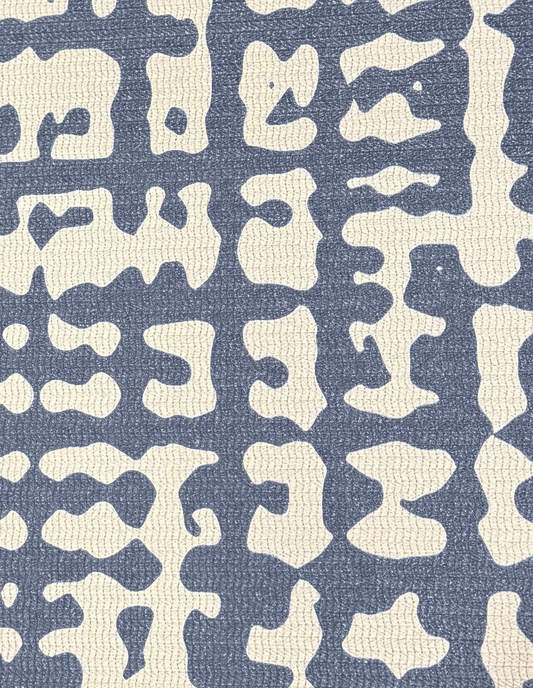
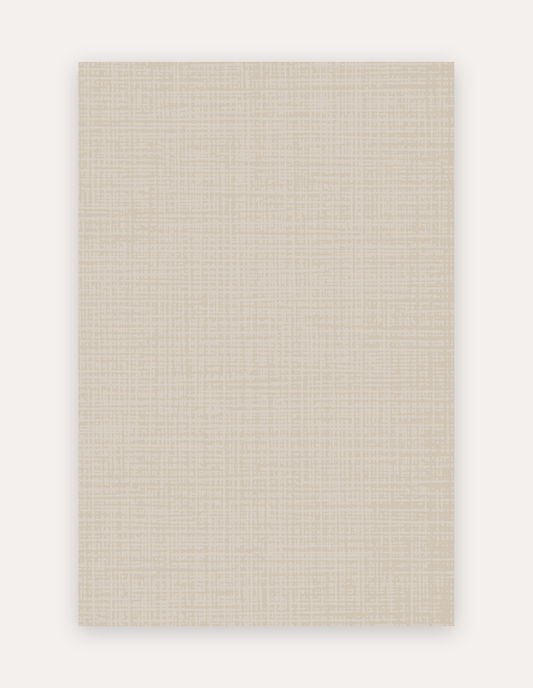
Both use single-piece non-toxic high-density foam construction with 6mm of supportive cushion, waterproof wipe-clean surface, and hand-drawn patterned designs that read as considered decor rather than as gym equipment.
For the broader comparison across styles and sizes, the full mat collection shows every pattern in every size. Swatches are available for anyone evaluating fabric and cushion feel before committing to a size decision.