


Carving Out a Space for Your Home Gym: A Room-by-Room Decision
The hardest part of setting up a home gym is not the equipment. It is deciding where to put it. The room-by-room decision determines whether the practice sticks or becomes another set of dumbbells that gets shoved into a closet after three weeks.
Six rooms in a typical home make sense as home gym candidates. Each has real tradeoffs. This post walks through the honest case for and against each so the decision is easier to make on the day the equipment arrives.
The Living Room
The most common choice and often the best one. The living room is already sized for daily use, has natural light, and shares the space with the rest of family life, which tends to keep the practice honest.
The case for: You are already in the room daily. Setup friction is at its lowest. The mat and equipment can integrate as decor rather than as gym gear.
The case against: Every family member sees the space. If the equipment reads as workout gear rather than as furniture, it competes visually with the rest of the room. Requires equipment that looks intentional rather than industrial.
For more on how a workout zone integrates with the rest of a living room, the post on a home workout space in the living room covers the aesthetic and functional decisions.
The Master Bedroom
Underrated. The bedroom has natural quiet, tends to be less trafficked during the day, and starts the morning practice a few feet from where you woke up.
The case for: Zero commute in the morning. Quieter than most other rooms in the house. Can be styled to read as part of the bedroom aesthetic (a wellness corner rather than a gym).
The case against: Sleep hygiene research suggests separating the bedroom from work and exercise mental associations. A visible gym setup can affect sleep quality for some people. Also less appropriate for high-impact or noisy training.
The Guest Bedroom
Excellent if you have one and it is used infrequently. The guest room becomes a low-key studio for eleven months a year and clears easily when guests arrive.
The case for: Full room dedicated to movement, mostly. Enough space for larger equipment (a bench, a spin bike, a foam mat over hardwood). No competing visual demands during the eleven months guests are not there.
The case against: When guests do arrive, the room has to reset. Foldable and rollable equipment matters here. A rollable Studio Mat and stackable dumbbells clear faster than a fixed rack.
The Basement
The traditional choice, and still the right one for serious lifters and multi-piece cardio setups. But it comes with tradeoffs most people underestimate.
The case for: Space, sound isolation, no aesthetic constraints, the ability to install proper flooring. Good for barbell work, heavy plates, drop-friendly training.
The case against: The commute problem. Basements are further from daily life than any other room in the house. A basement gym works if training is a scheduled ritual. It fails when training needs to fit into the cracks of a day.
Ventilation is also often overlooked in basements. Plan for a fan and a dehumidifier.
The Garage
Similar profile to the basement. Space, sound isolation, no aesthetic constraints. Better for cold-weather climates that make the basement flood-prone. Worse for hot climates without ventilation.
The case for: Room for serious equipment (a rack, a bench, kettlebells) that would overwhelm indoor rooms. Easier to soundproof than a basement.
The case against: Temperature extremes make consistent training harder. And the space competes with actual garage functions (parking, storage, tools).
A Dedicated Room or Office Nook
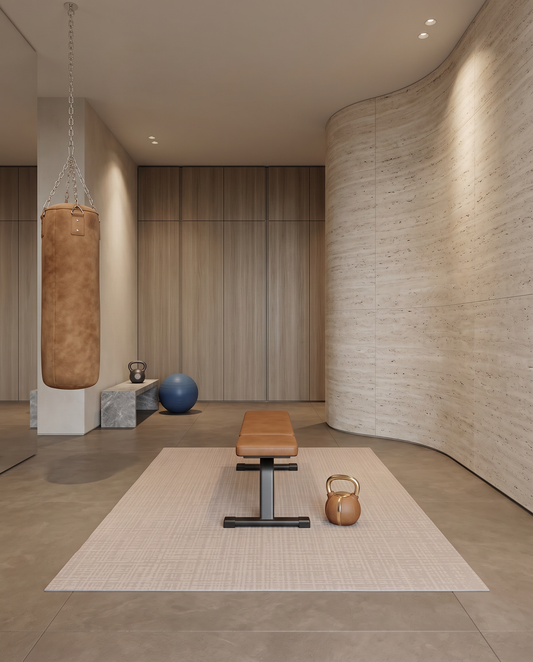
The rarest option and the most enviable. A dedicated wellness or workout room is the ideal setup if the house supports it.
The case for: Full aesthetic control. Every design decision can serve the practice. Equipment can stay out. The room signals wellness in the way a home office signals work.
The case against: Requires a spare room. Most homes and apartments do not have one.
How to Decide
The best room is the one that removes the most friction between wanting to train and actually training. For most people, that room is the living room or the master bedroom, not the basement or the garage.
Frequency matters more than intensity. A living-room setup that gets used five times a week for twenty minutes beats a basement setup that gets used twice a week for an hour. The room that removes friction wins in the long run.
The Piece That Anchors Whichever Room You Choose
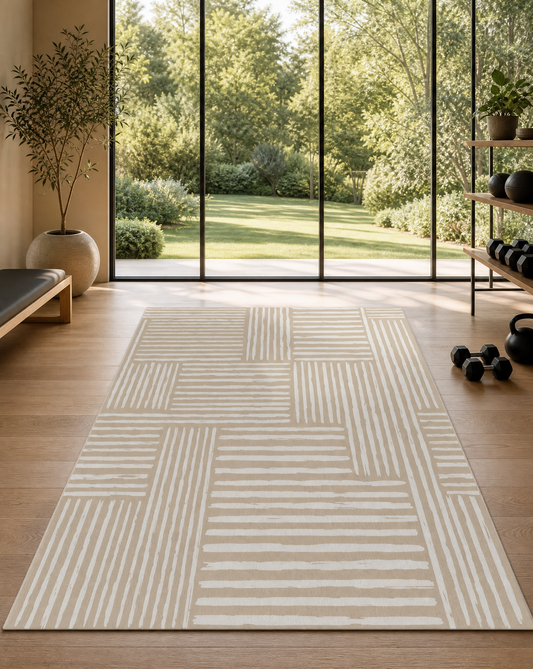
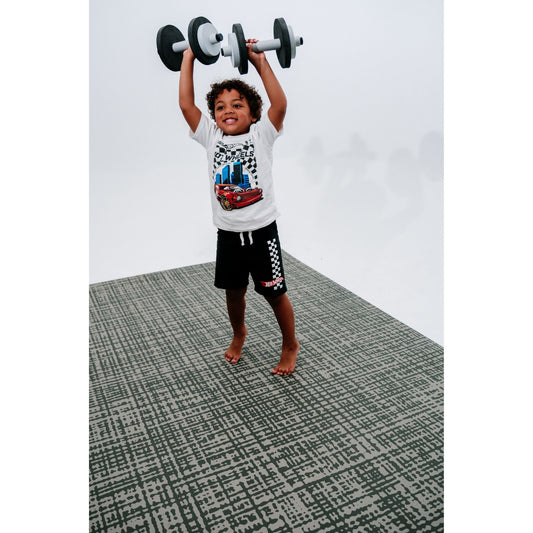
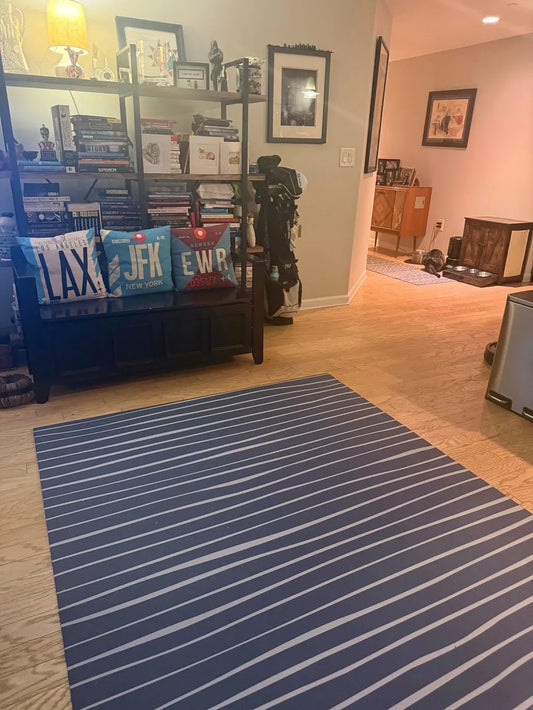
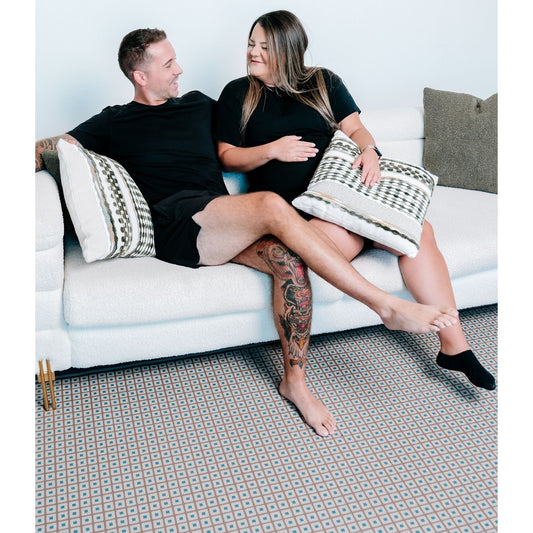
Whichever room the home gym lands in, the largest visual element will be the floor. A mat sized as an area rug does two jobs at once: it defines the workout zone and it integrates the space visually with the rest of the room. Swankymat is built for this role, with hand-drawn patterned designs (Sloane Dust, Rhodes Camel, Sloane Midnight, and others) that read as area rugs rather than as gym gear.
The Oversized 5x7 works in a bedroom corner, a guest room, or a compact living-room zone. The Oversized 6x9 anchors a full living room or a dedicated wellness room. The rollable Studio Mat is the guest-room-friendly option that clears fast when the room needs to reset. Browse the neutral mats collection for the palettes that fit most designed rooms.