


The Fall Wellness Reset: Rebuilding a Home Practice Before Winter
Every year, the fall wellness reset happens whether or not we plan for it. Schedules stabilize after summer. The kids are back in school. The daylight starts compressing. Something in the collective calendar shifts toward interior work in a way that summer never quite allows. The households that use this moment to rebuild a home practice tend to move through winter meaningfully better than the households that do not.
This post covers what makes fall the strategic wellness reset window, what a rebuilt home practice actually looks like, and how to set up the physical space for the six months of interior weather ahead.
Why Fall Is the Strategic Reset Window
Three specific factors align in September and October to make fall the most sustainable time to establish new practice habits.
Schedule stability. Summer travel, kids' activities, and vacation rhythms all end. The daily and weekly rhythm gets predictable again, which is what habit formation requires.
Reduced outdoor competition. The summer months compete against outdoor practice options (running, hiking, swimming, cycling) that are more appealing than indoor mat work. Fall shifts the balance; indoor practice becomes the more comfortable option as temperatures drop.
Winter as forcing function. Five months of cold weather are close enough to plan for. A rebuilt home practice going into November means the winter slump has a floor built into it.
What a Rebuilt Practice Actually Looks Like
A fall reset that lasts through winter tends to share specific characteristics. The practices that fail are usually the ambitious ones that assume time and energy that will not actually exist in December.
Short enough to happen daily. Twenty minutes daily produces better long-term outcomes than 60 minutes three times per week. The winter slump kills the 60-minute plan; the 20-minute plan survives it.
Mixed format. Alternating strength, mobility, yoga, and restorative work keeps the practice interesting through the darker months. Monotonous practices tend to die in January.
Home-based with studio as supplement. Studio classes are hard to sustain through weather, sick kids, and dark commutes. Home practice with occasional studio visits is more sustainable than the reverse.
Anchored to a specific time. Practice tied to a specific time of day (before coffee, after work, before dinner) survives disruption better than practice tied to when time is available.
The Space Setup Question
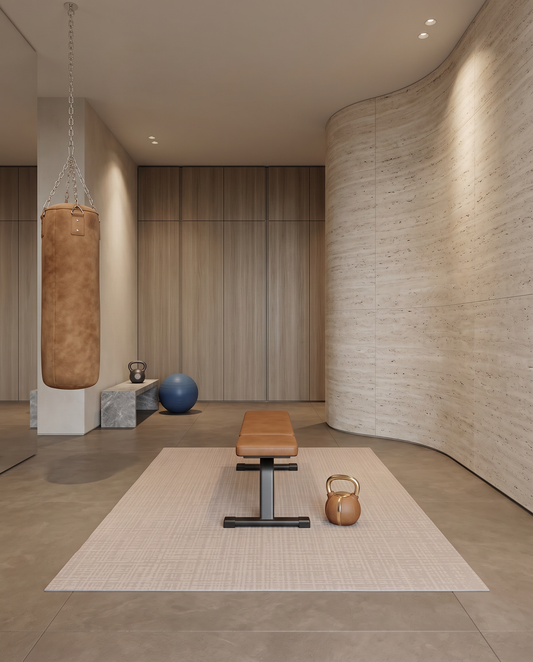
The physical space matters more in fall than at any other time of year because the room is where the practice will actually happen for the next six months. Outdoor options are compressing. The space needs to invite daily use rather than daily reluctance.
Three specific considerations for the fall space setup.
Placement in a room that gets used. A basement setup fails in January. A corner of the living room or a spare bedroom that stays warm and well-lit succeeds.
Left out rather than stored. A mat that has to be unrolled every session gets used less than one that stays permanently placed. Fall is the season to commit to permanent placement.
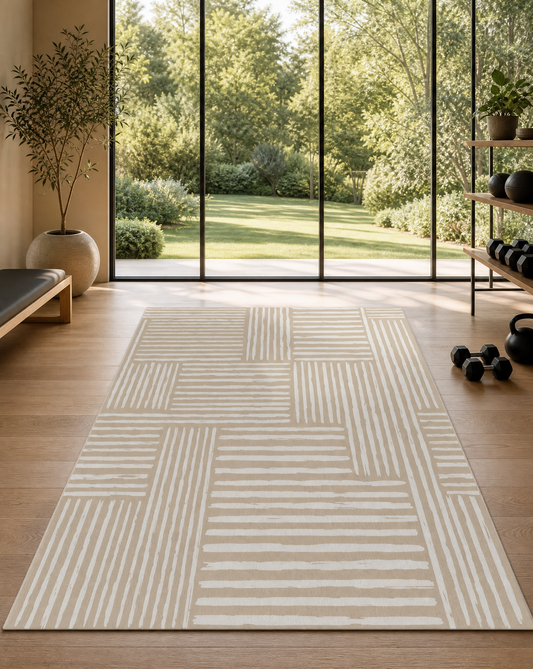
Aesthetic that fits the room. A gym-aesthetic mat in a living room signals wrongness and eventually gets stored. A mat that reads as considered decor stays out through the season.
Layering the Practice Into the Home
The fall reset also tends to coincide with broader home refresh work. New throws for the couch. Warmer lighting. Rearranging the living room for the season. The wellness space benefits from being included in this refresh rather than treated as a separate gym project.
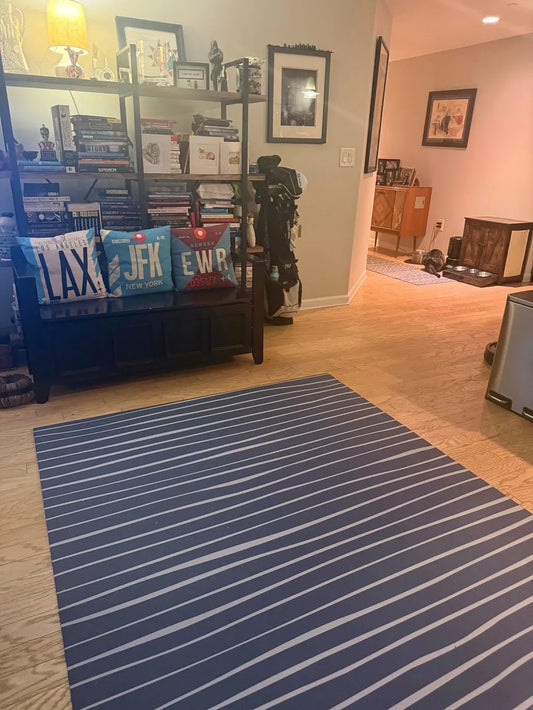
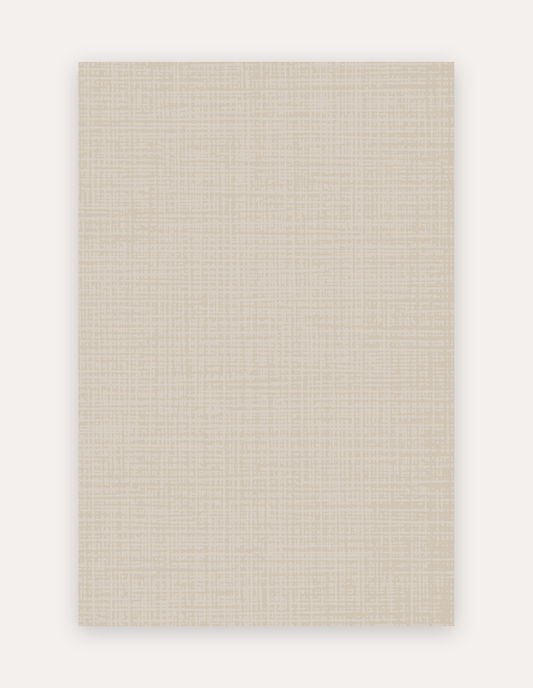
Mats that integrate with the rest of the room aesthetic tend to survive the year better than mats that stand out as workout equipment. Neutral palettes, hand-drawn patterns that echo area rug design, and colors that coordinate with existing decor all support integration.
The Swankymat Position for Fall Reset
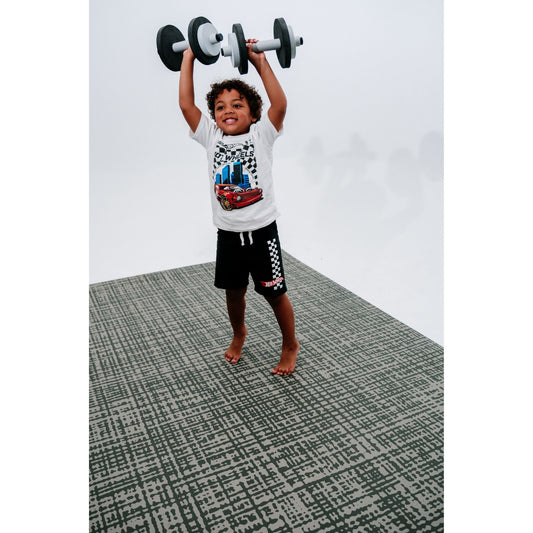
Swankymat is built specifically for the permanent-placement home-integrated use case that supports a sustained fall reset. Single-piece non-toxic high-density foam with 6mm of supportive cushion handles mixed daily practice. The waterproof wipe-clean surface handles the daily use that indoor months require. Hand-drawn patterned designs in restrained palettes (Sloane Midnight, Rhodes Camel, Circa Cove, Ellis Sage) read as area rugs and coordinate with the fall interior refresh naturally.
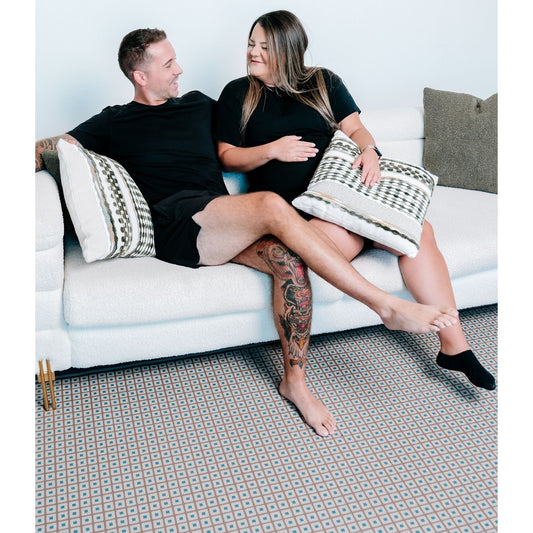
Available in Oversized 5x7 for solo practice, Oversized 6x9 for family or partner practice, and the rollable Studio Mat for practitioners who still travel to occasional studio classes. All three support the mixed daily practice that gets people through winter.
For a look at how to set up the physical practice space, the post on carving out a home wellness space covers placement, lighting, and integration considerations. For color and pattern coordination with an existing room, the neutral mat collection covers the palettes that integrate most easily with fall decor.