

Best Mat for Glute Training and Lower Body Work at Home

Glute training has moved from a niche sub-category to one of the most-searched home fitness practices in the last few years. The research supports it. Weak glutes are implicated in most lower back pain, most knee issues, and most postural dysfunction. Strong glutes support athletic performance, injury resistance, and long-term functional capacity.
The catch: effective glute training is floor-based and equipment-adjacent. Most home setups underinvest in the floor surface, which limits the effectiveness of the practice and reduces the daily consistency that produces the actual results.
What Effective Glute Training Actually Includes
Modern glute training combines four exercise categories that address different aspects of glute function.
Hip extension work. Hip thrusts (barbell or dumbbell), glute bridges, single-leg glute bridges, and hip extension variations. The primary strength driver for the glute maximus.
Hip abduction work. Side-lying leg raises, banded lateral walks, clamshells, and abduction variations. Targets the glute medius and minimus, which stabilize the pelvis and knee.
Hip extension with rotation. Fire hydrants, quadruped kickbacks, and rotation-integrated hip work. Addresses the deep glute rotators.
Compound lower body work. Squats, lunges, deadlifts (with dumbbells or barbell), and step-ups. The compound movements that build overall lower body strength alongside the isolation work.
What the Floor Has to Handle
Glute training puts specific demands on the mat surface that differ from general fitness demands.
Extended supine time. Hip thrusts and glute bridges spend meaningful time on the back with the spine and shoulders in direct contact with the floor. A single set of hip thrusts can involve 60 to 90 seconds of continuous supine contact.
Side-lying positions. Hip abduction work happens on the side with the hip and shoulder in direct floor contact. Side-lying work often extends across the width of the mat.
Quadruped positions. Fire hydrants, kickbacks, and quadruped hip work put weight on the knees for extended durations. Thin mats become uncomfortable within minutes.
Standing to floor transitions. The typical glute session alternates between standing compound work and floor-based isolation work. The mat has to serve both without repositioning.
Point loads from equipment. Dumbbells set on the hip for weighted glute bridges. A bench or elevated surface for hip thrust variations. Kettlebells for goblet squats and swings.
What to Prioritize in the Mat
Five criteria specifically for glute training.
6mm of high-density supportive cushion. Enough for extended supine and side-lying work without joint pain, dense enough to preserve stability during weighted standing work.
Firm base for hip thrusts. Overly soft mats destabilize the hip thrust position, which reduces the effectiveness of the exercise. The mat needs to provide a stable base for the back to press against during the extension.
Adequate width for side-lying and abduction work. A standard yoga mat width often falls short during side-lying leg raises where the top leg extends laterally. 5 feet by 7 feet accommodates the full range.
Non-slip underside. Stays in place during the standing-to-floor transitions and during banded lateral work that puts continuous lateral force on the mat.
Waterproof, wipe-clean surface. Glute training produces meaningful sweat during compound work. Daily cleaning has to be straightforward.
The Equipment Integration Question
Effective glute training almost always involves some equipment. Even bodyweight-only glute programs eventually plateau. The common additions:
Resistance bands. Loop bands around the knees for banded glute bridges, lateral walks, and abduction work. Add resistance to bodyweight work without new floor requirements.
Dumbbells. Held at the hip for weighted glute bridges, held at the shoulders for goblet squats, held at the sides for step-ups and lunges. Add point loads to the mat surface.
A bench or elevated surface. For hip thrust variations, Bulgarian split squats, and elevated step-ups. Increases the floor space required.
Ankle weights (occasionally). Historically dismissed but making a comeback for isolation work.
The Swankymat Fit for Glute Training
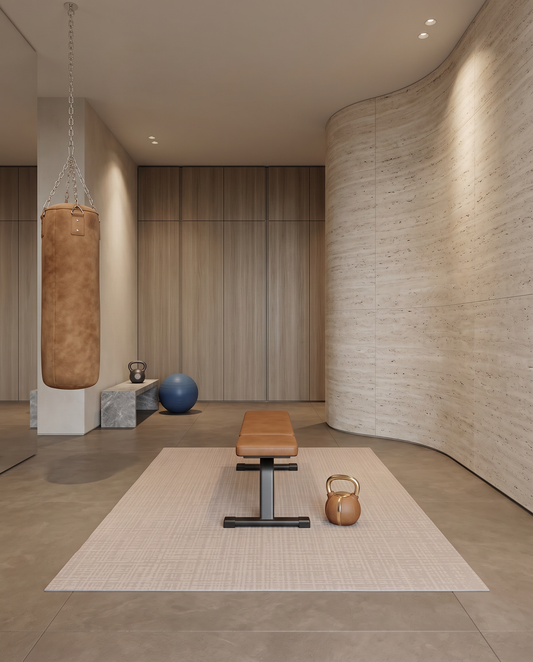
Swankymat serves the extended floor-based practice that effective glute training requires. Single-piece non-toxic high-density foam with 6mm of supportive cushion handles extended supine work for hip thrusts and bridges, side-lying abduction sequences, and quadruped isolation work without joint pain. The firm density provides the stable base that hip thrust variations require. The non-slip underside stays in place during banded lateral work and standing-to-floor transitions. The waterproof surface handles daily sweat and cleaning.
Available in Oversized 5x7 for solo glute training, Oversized 6x9 for larger equipment setups or shared training, and the rollable Studio Mat for bodyweight-focused portable practice.
For the compound lower body work specifically, the post on the best mat for home strength training covers the equipment integration in more depth. For material feel before ordering, the swatch pack ships three real samples with $15 off the first Oversized mat.