


Menopause and Movement: Building a Practice That Supports the Transition
The transition through perimenopause and menopause shifts what the body responds to and what it needs from daily movement. Joint sensitivity increases. Hormonal fluctuations affect energy patterns. Sleep disruption changes recovery capacity. Muscle mass shifts require more resistance training to maintain. Bone density concerns make weight-bearing work more important. And the practice that worked at 35 or 42 often does not translate directly to 48 or 55.
This post covers what current research suggests about movement during the menopause transition, why home-based practice becomes more central in this life stage, and how to think about the floor surface as part of the practice equation.
What the Research Suggests
Consensus across women's health research points to a specific movement blend during the menopause transition:
Strength training two to three times per week. Muscle mass declines roughly 3 to 8 percent per decade after 30 and accelerates during and after menopause. Resistance training reverses the loss and supports metabolic health, bone density, and functional strength.
Weight-bearing cardiovascular work. Walking, hiking, dancing, and low-impact aerobic work support cardiovascular health and bone density more than swimming or cycling in this life stage.
Flexibility and mobility work. Yoga, Pilates, and dedicated mobility practice address the joint stiffness and reduced range of motion that often accompany hormonal shifts.
Stress-reduction practice. Restorative yoga, meditation, and breathwork address the sleep disruption and mood variability that many women experience during the transition. This is not optional; poor sleep during menopause compounds every other symptom.
The pattern that emerges is a mixed daily practice rather than intense sessions a few times per week. Consistency matters more than intensity, and the mixed format requires a floor surface that supports strength work, floor-based mobility, and restorative practice without switching setups.
Why Home Practice Becomes Central
Three factors tend to shift more women toward home-based practice during the menopause transition.
Studio class scheduling rarely accommodates the energy variability that comes with hormonal shifts. Some days feel like strong practice days; some days feel like restorative days; some days feel like the practice needs to happen at 6am and some at 8pm. Home practice adapts; studio schedules do not.
Body temperature regulation shifts during perimenopause and menopause. Hot flashes make heated studio environments and shared class settings genuinely uncomfortable for many practitioners. Home practice controls the temperature.
Time constraints often peak in this life stage, when careers, teenage or adult children, aging parents, and community commitments all compress the calendar. A home practice that can happen in 20 minutes without commute or class scheduling is more sustainable than a studio practice that requires 90 minutes end-to-end.
What the Home Floor Needs to Support
A menopause-appropriate home floor has to support the mixed practice format described above. That translates to specific requirements.
Joint-friendly cushion. 6mm of supportive high-density foam handles kneeling, floor-supported poses, and long floor holds without joint strain. Thinner mats put pressure on knees, wrists, and ankles that becomes more pronounced with age.
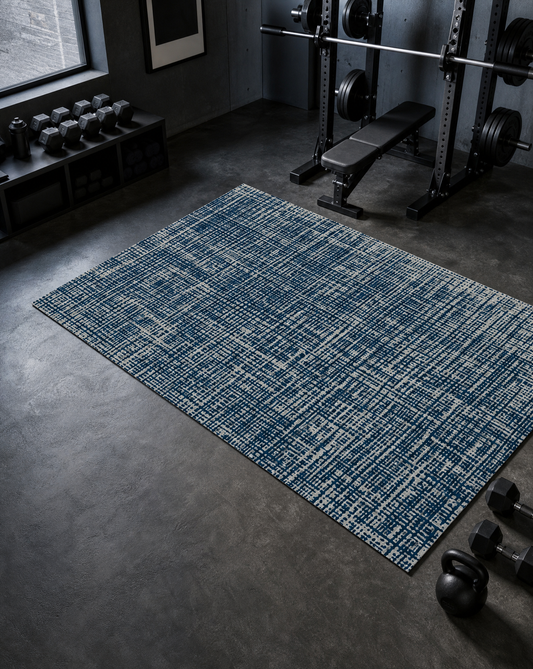
Stability for strength work. The same mat needs to be firm enough to support dumbbell floor work, glute bridges with weight, and any resistance training that happens on the floor. Too-soft mats undermine stability during weighted work.
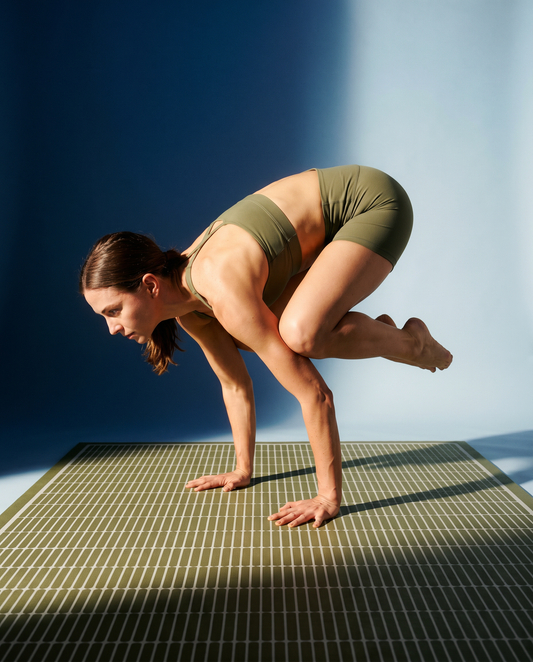
Enough space for full-body work. Standing balance, wide-legged floor poses, and any two-part strength work (dumbbell floor plus standing) all require more space than a standard yoga mat provides. An oversized floor eliminates the constant repositioning that breaks the practice flow.
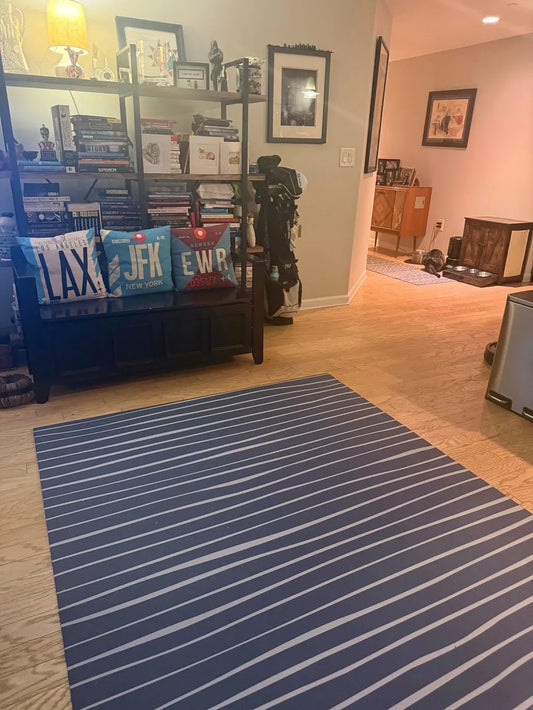
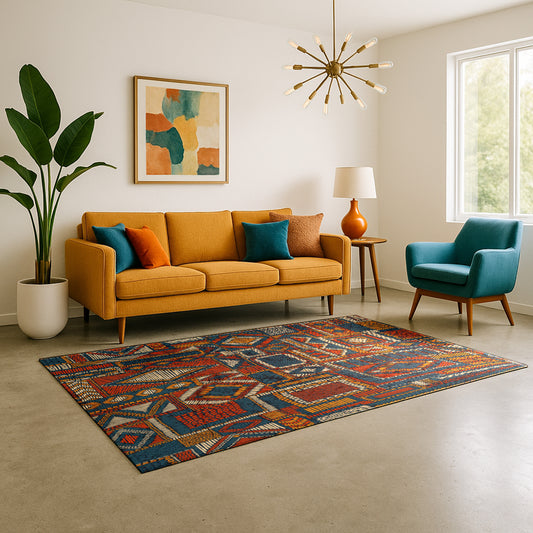
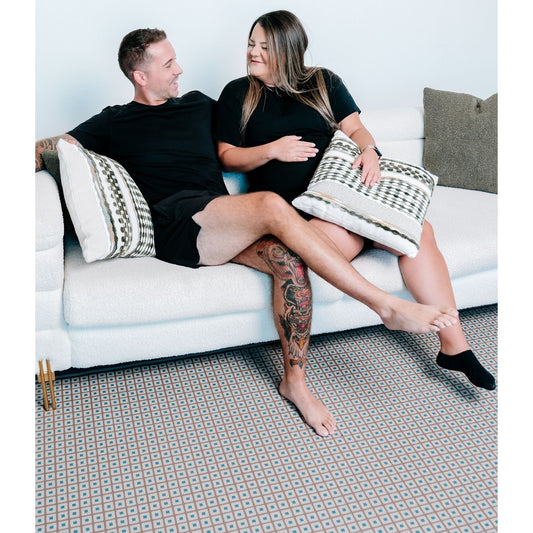
Aesthetic that keeps the mat out. A mat that reads as gym gear tends to get rolled and stored. A mat that reads as considered decor stays out on the floor, which is what makes daily consistency actually happen.
The HSA/FSA Angle
Menopause-related movement often qualifies as medically necessary under HSA and FSA plans, particularly when a physician can document conditions the movement is addressing (osteoporosis, osteopenia, chronic joint conditions, cardiovascular risk, or mood-related indications). Swankymat partners with TrueMed to provide Letters of Medical Necessity that can qualify the mat purchase for HSA or FSA reimbursement. Customers using HSA or FSA funds save an average of 30 percent on the qualifying purchase amount.
The Swankymat Fit for This Life Stage
Swankymat is built for the mixed daily practice that supports the menopause transition. Non-toxic high-density foam with 6mm of supportive cushion handles kneeling and joint-sensitive work; the firm build supports strength training on the same surface; hand-drawn patterned designs read as area rugs rather than as gym gear and keep the mat visible and used.
Available in Oversized 5x7 for single-practitioner home practice, Oversized 6x9 for home studios, and the rollable Studio Mat for practitioners who still travel to occasional classes. All three sizes qualify for HSA/FSA reimbursement with a Letter of Medical Necessity through TrueMed.
For a look at how the practice space integrates with the rest of the home, the post on carving out a wellness space covers the design and placement considerations in detail.