

The Monthly Wellness Reset: A Ritual for Sustainable Habits

The monthly wellness reset is a shorter and smaller version of a full 30-day overhaul, done on a repeating monthly cadence. It sits between the weekly Sunday reset (which handles the coming week) and the annual reset (which tends to be too infrequent to catch drift early). The monthly cadence is enough to notice patterns forming, and small enough to adjust without disrupting the routine.
This post covers what a monthly wellness reset actually looks like, what to review, what to adjust, and how to keep the practice from becoming another item on the list.
Why Monthly
The monthly cadence works for wellness the same way it works for finance and calendar review. Long enough to see trends. Short enough to catch problems before they become significant. Frequent enough that the ritual stays familiar rather than requiring re-learning each time.
Weekly resets tend to focus on the coming week's schedule. Annual resets tend to focus on goals and identity. Monthly resets focus on the practical maintenance of habits already in place, which is where the actual sustainability of a wellness practice tends to live.
The Five Areas to Review
A monthly reset covers five practical areas. Fifteen to thirty minutes total.
1. Movement. How many days a week did you actually move this past month? What was the average session length? What breakdown by format (yoga, strength, mobility, walking)? The point is not judgment; it is accuracy. Most people over-remember consistency and under-remember gaps.
2. Sleep. Average sleep duration and wake time consistency. Which nights ran short and why. Which days felt hardest and whether they correlated with the shorter nights.
3. Food. Not calorie tracking. Broader patterns. How many home-cooked meals per week. How often you ate breakfast. Whether afternoon energy crashes showed up.
4. Screen and stress. How the morning and evening windows held up. Whether the workday focus blocks stayed protected. What the last four Sundays felt like emotionally.
5. Connection. How many meaningful in-person interactions with close friends or family. Whether the number felt low or right.
What to Adjust
The monthly reset produces one to three small adjustments for the coming month, not a full plan overhaul.
The pattern that tends to work: identify the single largest gap between what you intended and what happened, choose one specific structural change to address it, hold everything else steady for the month.
Examples:
- Movement dropped to two days a week when your target was five. Adjustment: move the mat to a more visible location and drop the target to four days.
- Wake time slipped to 7 AM on weekdays and 9 AM on weekends. Adjustment: set a Sunday morning wake time equal to weekday, hold it for the month.
- Breakfast turned into coffee only for most of the month. Adjustment: prep three overnight oats or protein-forward options on Sunday for the coming week.
Small changes stick. Large changes revert.
What to Skip in a Monthly Reset
Three things that get suggested in monthly review content and tend to work against sustainability.
Ambitious new goals. A monthly reset is for maintenance, not for setting resolutions. New goals belong to the annual review or to specific project planning.
Excessive metrics. Tracking twelve variables makes the reset feel like work and reduces the odds of doing it next month. Five practical areas is enough.
Guilt or self-criticism. If the reset feels bad emotionally, the practice will not continue. The tone should be maintenance and adjustment, not judgment.
How to Actually Do It
Set a recurring calendar block on the first Sunday of each month. Thirty minutes. Do the review at home in a comfortable setting. A notebook works better than an app for this practice; the physical writing seems to matter for the reflection quality.
The reset works best when it happens at the same time each month, in the same place, following a similar structure. The consistency turns it into a ritual rather than a task.
The Practice Under the Reset
The monthly reset is a maintenance layer over the daily practice. The daily practice is what actually moves the needle. The monthly reset just keeps the daily practice on track.
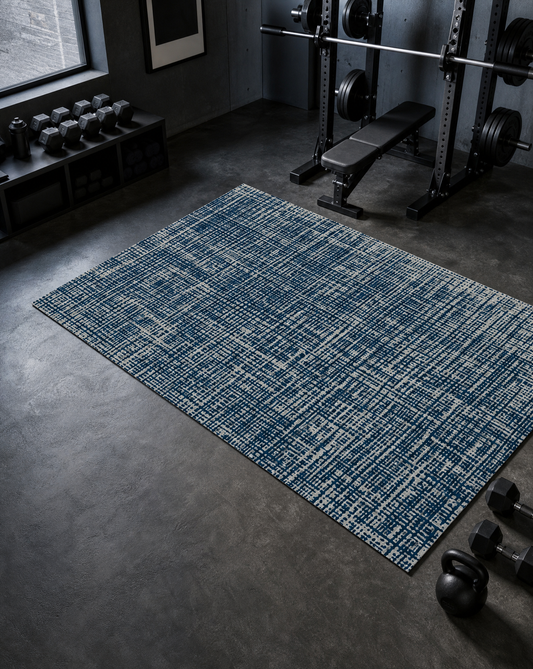
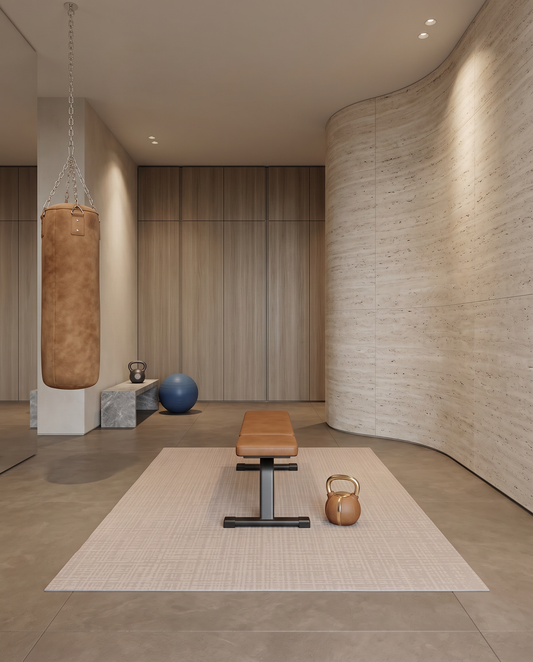
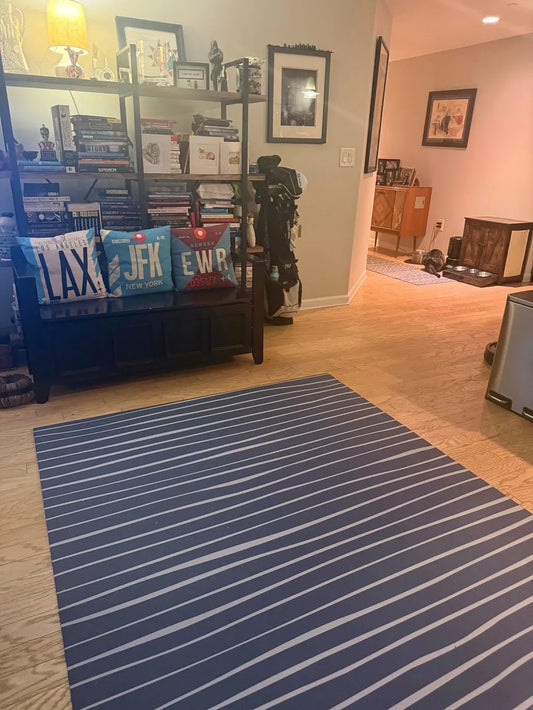
For the daily movement practice specifically, a cushioned mat that stays out on the floor removes the setup friction that breaks most consistent practices. Swankymat is built for this daily role. Non-toxic high-density foam with 6mm of supportive cushion, a waterproof wipe-clean surface, and Greenguard Gold certified inks. Browse the full mat collection to see the palettes that fit a designed home.
For the weekly-cadence complement to this monthly practice, the post on the Sunday reset covers the weekly version. For the extended full-scale version, the post on the 30-day wellness reset covers what to do when a bigger overhaul is warranted.