


The Best Non-Toxic Play Mats for Sensitive Kids and Allergies
For kids with skin sensitivities, allergies, or respiratory concerns, the material a play mat is made from matters more than for the general market. A play mat that sits on the floor for years and gets used daily is a meaningful ongoing exposure. Choosing carefully at purchase avoids months of reactions that get traced back to the flooring later.
This post covers what to look for in a play mat for sensitive kids, the specific certifications worth prioritizing, and the construction and material choices that produce fewer reactions.
What Kinds of Sensitivities the Category Serves
Play mats can trigger issues for kids across four categories.
Skin sensitivities. Contact dermatitis from surface treatments, dyes, or off-gassing chemicals. Often appears as rashes on legs, feet, or arms where the skin touches the mat.
Respiratory sensitivities. Reactions to VOCs (volatile organic compounds) off-gassing from the mat material. Symptoms include coughing, wheezing, or nasal congestion when the child spends time in the room.
Chemical sensitivities. Broader reactions to phthalates, flame retardants, or plastic additives. Symptoms can include headaches, fatigue, or behavioral changes that resolve when exposure ends.
Allergies. Reactions to specific materials like latex, wool, or certain plastics. Usually appears as immediate skin or respiratory reactions on contact.
All four are more common in kids under five, whose developing systems are more sensitive to material exposure than adult systems.
The Certifications Worth Prioritizing
Two third-party certifications provide meaningful information about material safety.
Greenguard Gold (on inks and finishes). Tests chemical emissions (VOCs) from products into indoor air. The Gold tier applies stricter limits than standard Greenguard, specifically for products intended for use around children and sensitive populations. For families with respiratory sensitivities or general concern about indoor air quality, this is the most directly relevant certification when applied to the printed surface of a mat.
REACH compliance. The European chemical regulation that restricts specific substances of high concern. REACH-compliant materials meet stricter EU standards for chemical content.
Mats that carry both tend to be significantly safer than mats that carry none, particularly for kids with known sensitivities.
Materials to Avoid
Four material categories most commonly associated with reactions in sensitive kids.
Phthalates. Historically used to make PVC flexible. Associated with endocrine disruption and restricted in children's products in the US and EU, but still present in some imported mats without disclosure.
BPA and BPS. Chemicals used in some plastic manufacturing. Associated with hormonal concerns and specifically avoided in materials meant for infant contact.
Flame retardants. A category of chemicals added to some foam products. Some compounds in the class have been linked to health concerns at certain exposure levels and are worth avoiding for daily-use children's products.
Formaldehyde. Used in some adhesives and finishes. Can off-gas at meaningful levels from new products for weeks after purchase.
Mats that explicitly disclose the absence of these compounds sit in a different safety category than mats that market themselves as safe without further specification.
The Construction That Reduces Reactions
Two construction choices reduce reaction likelihood for sensitive kids.
Single-piece construction avoids the seams and bonds where adhesives and additional chemicals often live. Layered mats with bonded top surfaces introduce additional chemical exposure at the bond line.
Wipeable surfaces without fabric covers reduce allergen accumulation. Fabric covers accumulate dust, dander, and other allergens over time and become sources of reactions even when the mat material itself is clean.
What to Ask a Brand Before Buying
Three specific questions clarify what a mat actually contains.
Which independent testing bodies have certified the printed surface? Named certifiers (UL Solutions for Greenguard Gold on inks) are meaningful. Vague third-party tested claims without names are not.
What is disclosed about the specific materials? A brand that discloses base material, inks, dyes, adhesives, and finishes has done the work. A brand that only markets premium eco or non-toxic without further detail has not.
What is the return policy if the child reacts to the mat? Brands that stand behind their material claims typically offer meaningful return windows specifically for this scenario.
What Swankymat Delivers for Sensitive Kids
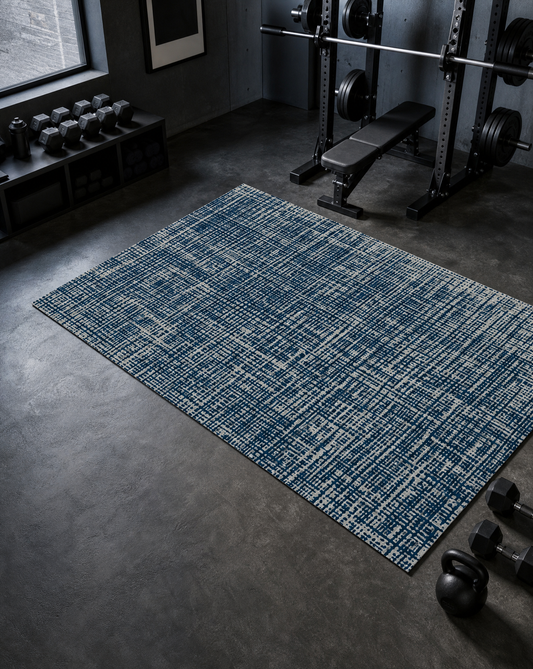
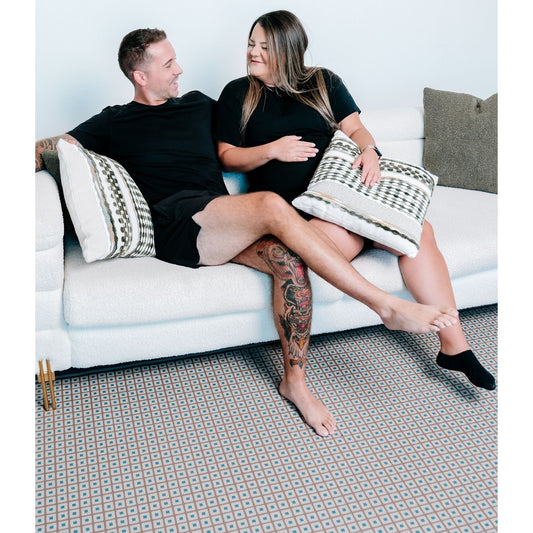
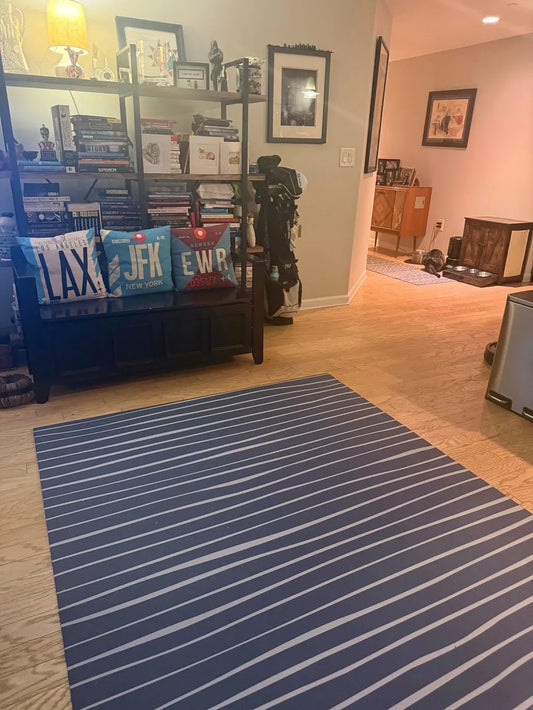
The Swankymat surface is designed for daily use around children who spend hours on the floor. Non-toxic high-density foam construction with Greenguard Gold certified inks on the printed surface. Free from phthalates, BPA, and flame retardants. Single-piece construction without bonded top layers. Waterproof wipe-clean surface without fabric covers that accumulate allergens.
For the broader look at play mat safety specifically, the post on whether baby play mats are safe covers the evaluation framework. The safety standards page covers what has been tested and by whom. Browse the baby play mats collection for the full lineup.