What Most People Don’t Consider When Buying a Yoga Mat for Home Use
When people shop for a yoga mat, they usually focus on the obvious things: thickness, grip, price, and brand. Those details matter, but for home practice, they’re rarely the factors that end up shaping how often the mat actually gets used.
Home yoga isn’t just about the mat itself. It’s about how that mat fits into daily life.
Where home practice changes the equation
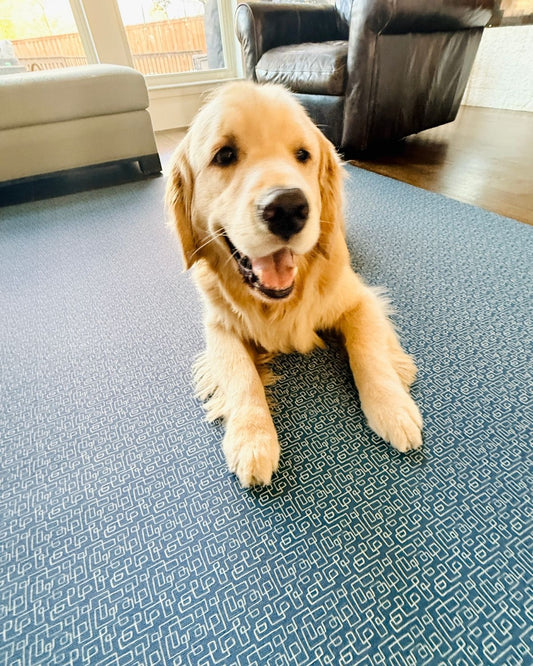
In a studio, yoga mats are temporary. You roll them out, practice, roll them up, and leave. At home, the mat often becomes part of the space. It gets moved around, stepped on between sessions, and sometimes left out entirely.
That shift changes what matters. A mat that works well for studio use may feel inconvenient or uncomfortable when it’s part of everyday living.
Comfort shows up over time
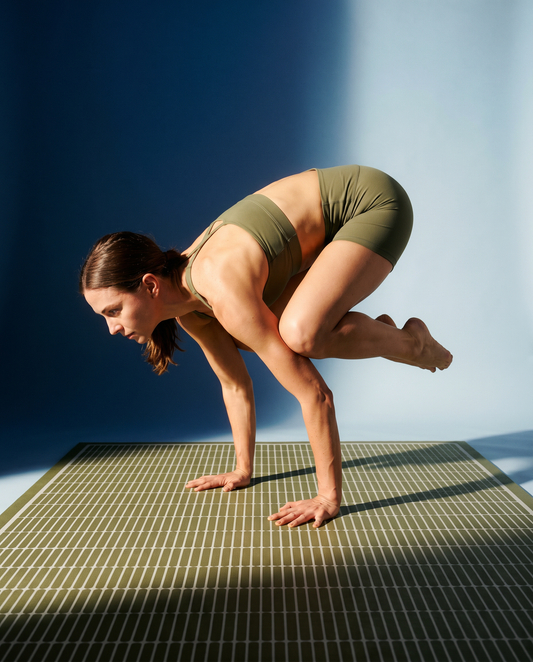
One of the most overlooked aspects of choosing a yoga mat is how it feels after repeated use. Floor poses, transitions, and longer sessions put pressure on wrists, knees, and hips in ways that aren’t always noticeable at first.
Over time, comfort becomes less about how a mat feels on day one and more about how supported your body feels week after week. This is often where people realize their mat isn’t working as well as they expected.
If comfort is something you’re still evaluating, this breakdown of what makes a great yoga mat explains why support matters beyond thickness alone:
Space affects flow more than people expect
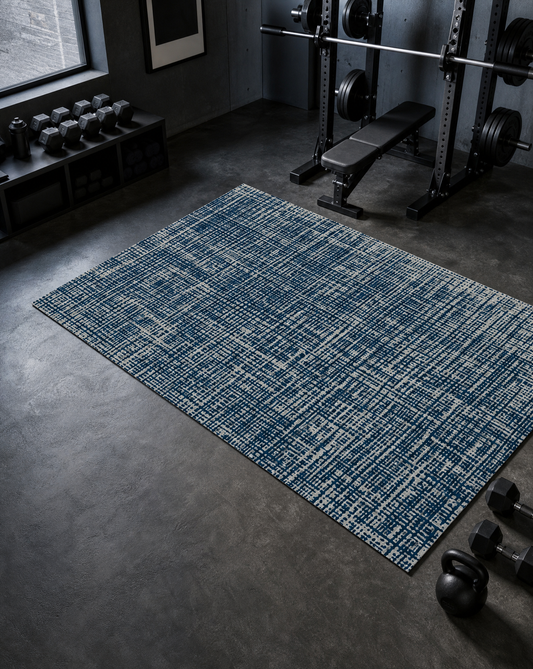
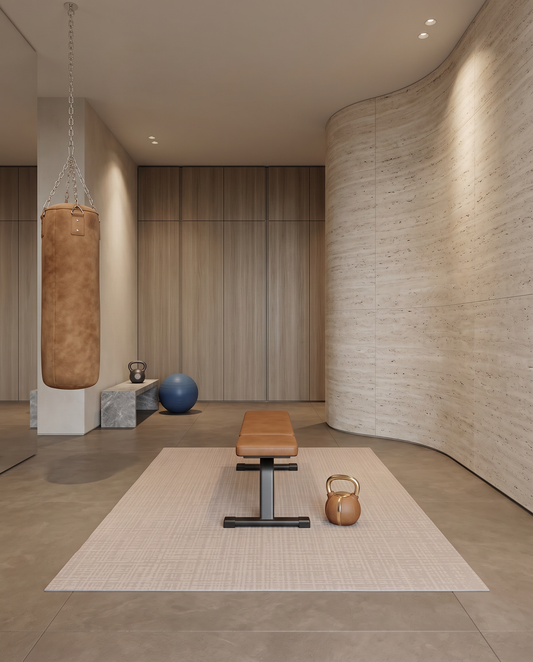
Another factor people overlook is how mat size affects movement. Home practice often blends yoga with stretching or mobility work that extends beyond a narrow footprint. A mat that’s too small can interrupt flow and force constant repositioning. This isn’t always obvious until you’ve practiced at home consistently. We explore this more in our article on how large mats change the way you work out at home.
Design influences consistency
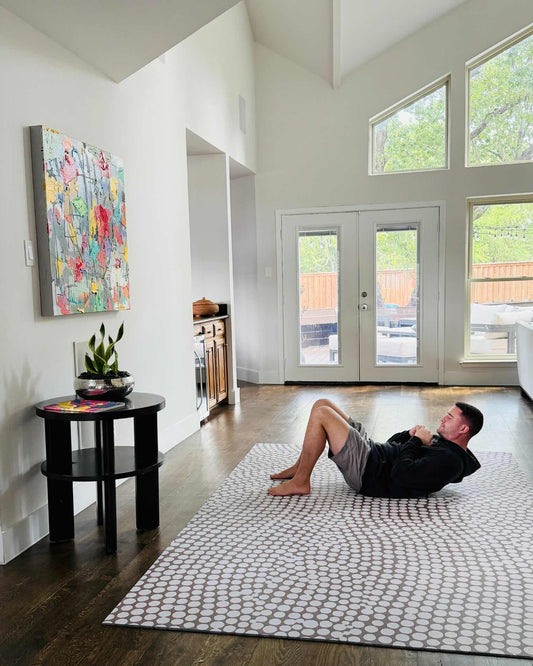
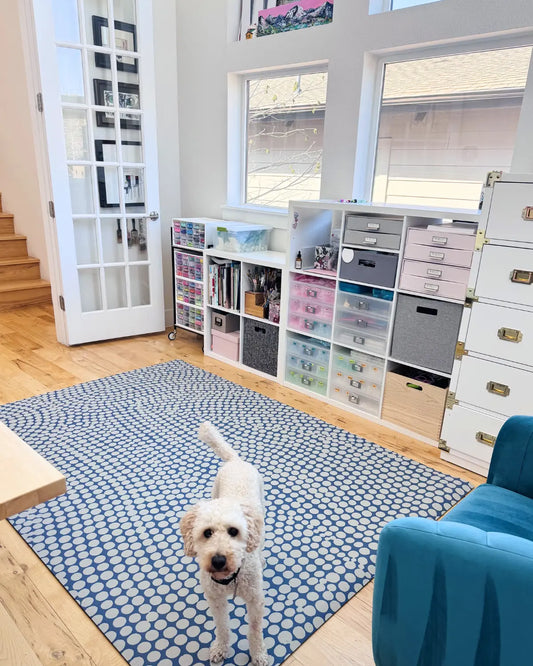
When a mat looks out of place, it tends to get put away. When it fits naturally into a room, it’s more likely to stay out and get used.
This may sound minor, but visual friction plays a real role in consistency. A mat that integrates into your space can make movement feel easier to return to, even on busy days.
Where Swankymat fits in
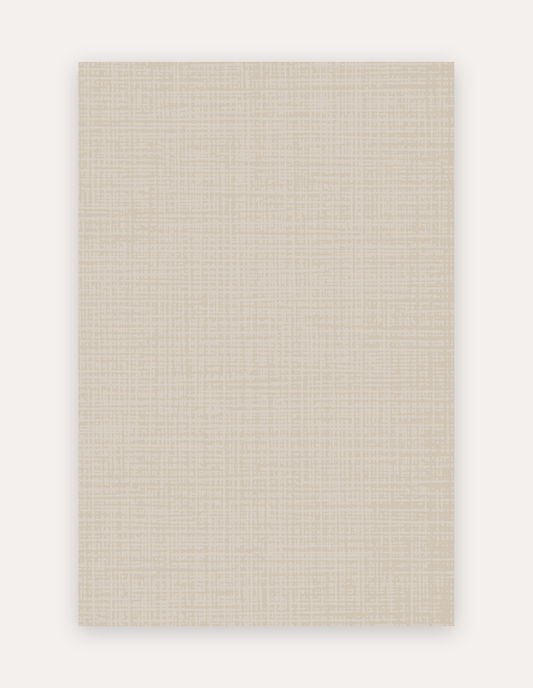
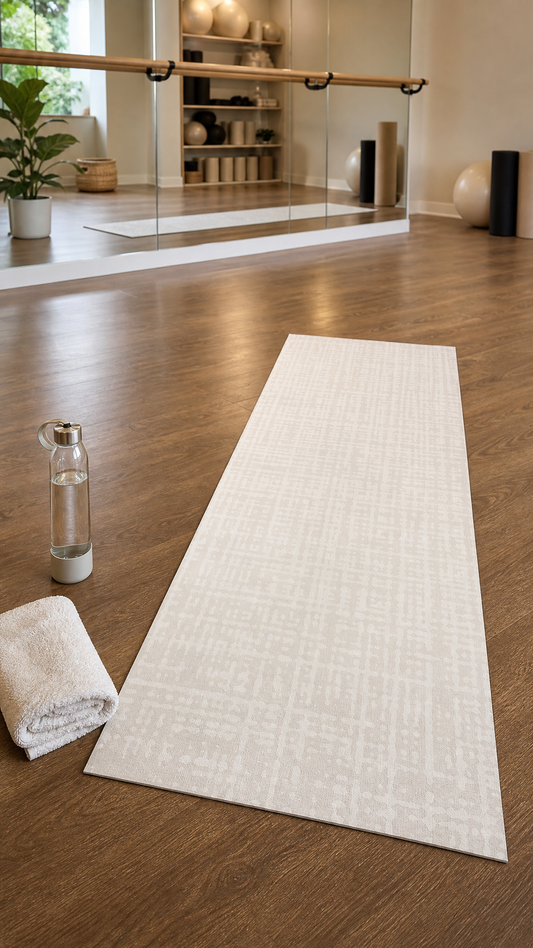
Swankymat was designed around how people actually practice at home. The extra-large, single-piece surface supports yoga, stretching, and floor exercises without constant adjustment.
The supportive, high-density cushioning is made for repeated use, and the design is intended to live comfortably in shared spaces.