What Is the Best Brand of Yoga Mat?
When people search for the best brand of yoga mat, they’re usually not looking for a logo. They’re looking for reassurance. They want to know they’re choosing something that will feel good to use, hold up over time, and fit into their daily routine.
The challenge is that “best” means different things depending on how and where you practice.
The perfect mat for you depends on where you practice
Many well-known yoga mat brands are built around studio use. Their mats are designed to be lightweight, portable, and easy to roll up and carry to class. For people who primarily practice in studios, that can be a great fit.
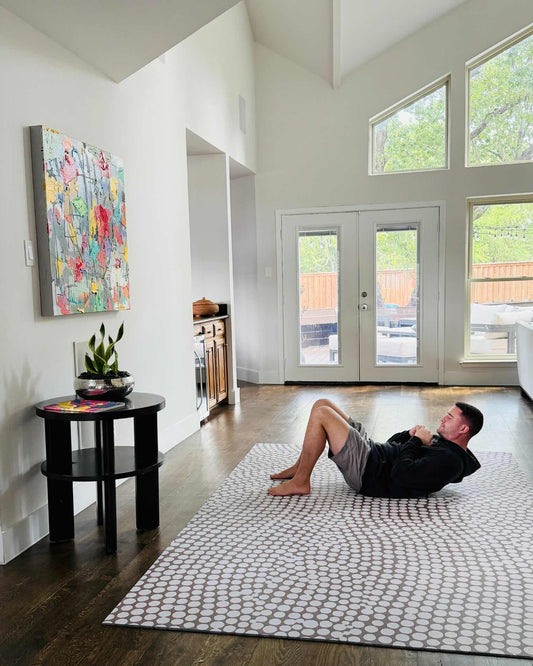
Home practice changes the equation. Floors are harder, sessions are often longer, and yoga is frequently combined with stretching, mobility work, or light strength training. In that setting, comfort, space, and durability tend to matter more than portability.
This is why the best brand for one person may feel limiting for another.
What to look for beyond brand names
Instead of focusing on brand recognition alone, it’s more helpful to look at how a mat supports real use. Factors like surface area, cushioning consistency, and how the mat feels during floor poses can have a bigger impact on practice than the name printed on it.
If you’ve ever felt boxed in or uncomfortable during longer sessions, the issue is often design rather than brand reputation. This is something we explore more in our guide on why large mats change the way you work out at home.
Studio brands versus home-first design
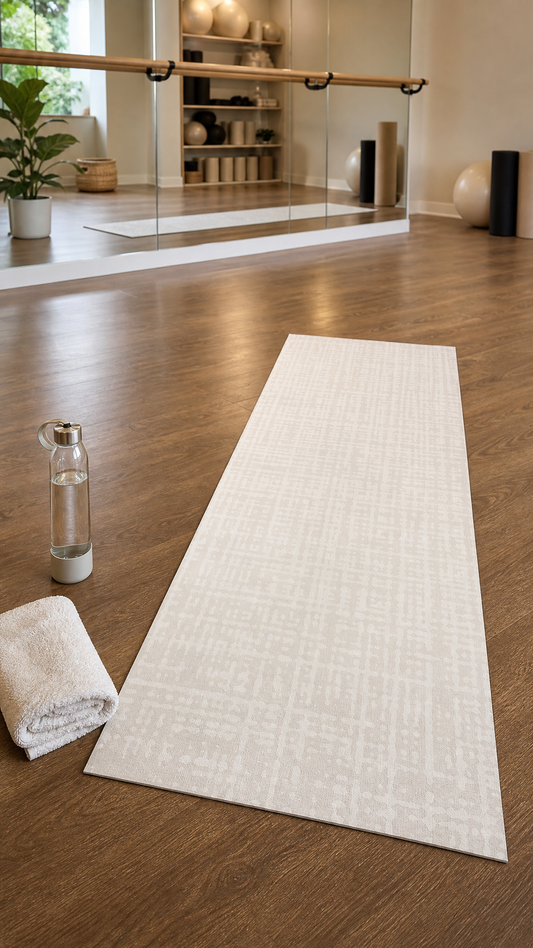
Traditional yoga brands tend to design for shared spaces and short sessions. Home-first mats are designed to live in one place and support repeated use, which is exactly the priority when you are shopping for yoga mats built for home practice rather than studio portability.
For people who practice at home, a mat that stays out and defines a dedicated movement space can make yoga feel easier to return to. That consistency often matters more than brand loyalty.
If you’ve ever wondered whether you need different mats for different workouts, this breakdown of using one mat for yoga and workouts helps explain why many people choose versatility instead.
For occasional practice, almost any mat can work. For regular home practice, investing in a mat designed for comfort and longevity often makes a noticeable difference.
A higher-quality mat doesn’t necessarily make poses better, but it can make practice feel more supportive and less distracting. Over time, that comfort can play a role in consistency.
We explore this more in detail in our article on whether an expensive yoga mat is worth it.
Where Swankymat fits in
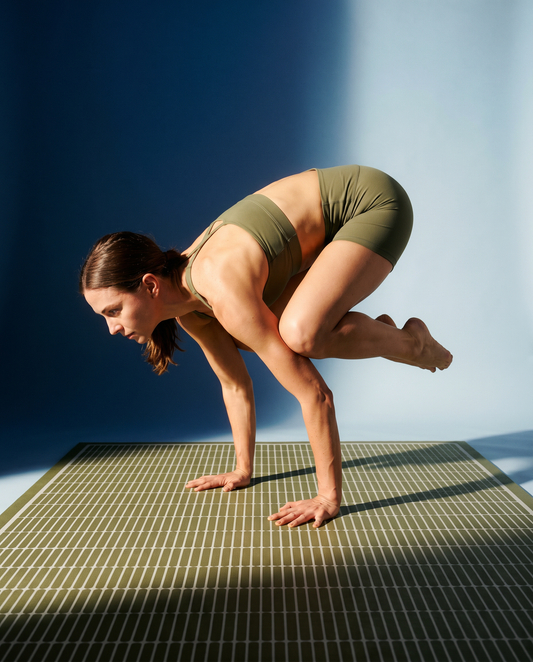
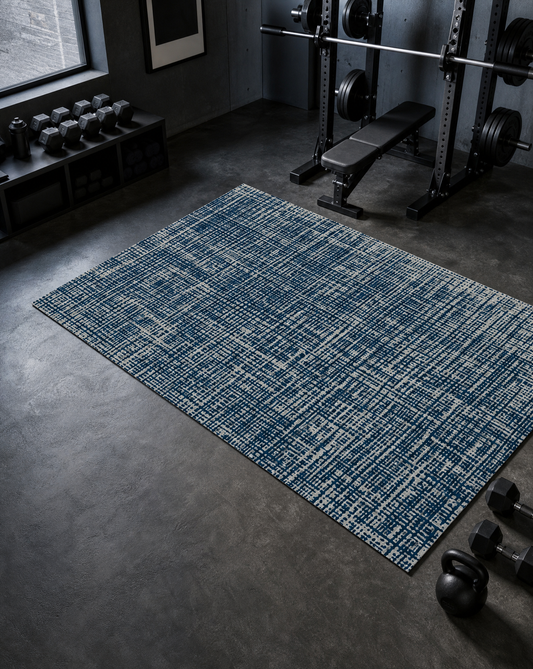
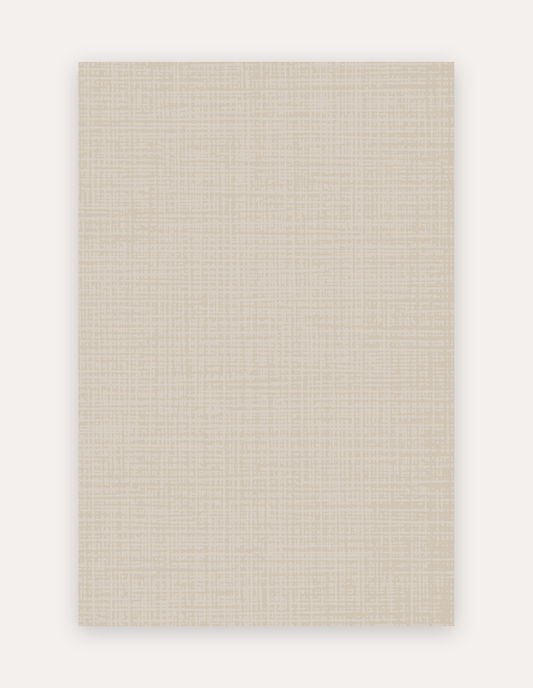
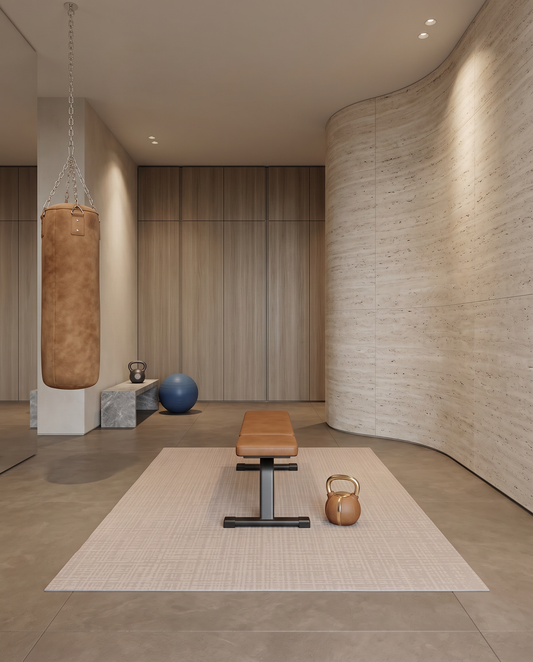
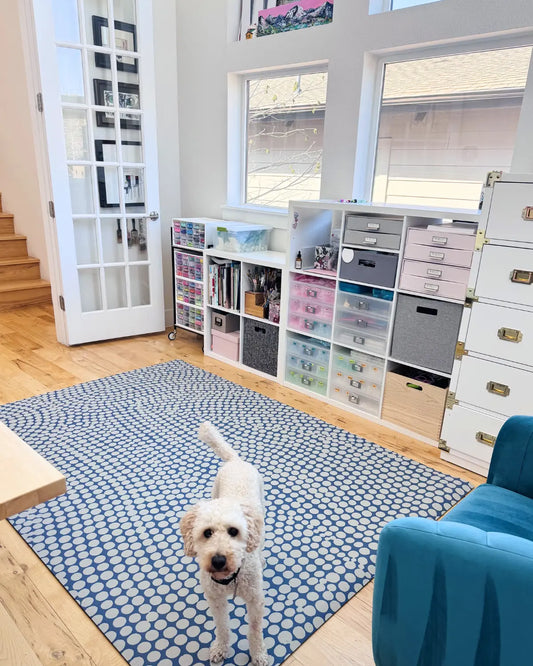
Swankymat was designed for people who practice at home and want a mat that supports more than one type of movement. The extra-large, single-piece surface works for yoga, stretching, and floor exercises without constant repositioning.
The supportive, high-density cushioning is made for longer sessions, and the design is intended to stay out in shared spaces. Rather than competing on brand recognition alone, Swankymat focuses on how a mat fits into everyday movement at home.
If you’re looking for a yoga mat designed around real home practice, you can explore the collection here.