Why Small Workout Mats Stop Working at Home
Most workout mats are designed with portability in mind. They’re easy to roll, light to carry, and convenient for studio classes. But once workouts move into the home, those same features often become limitations.
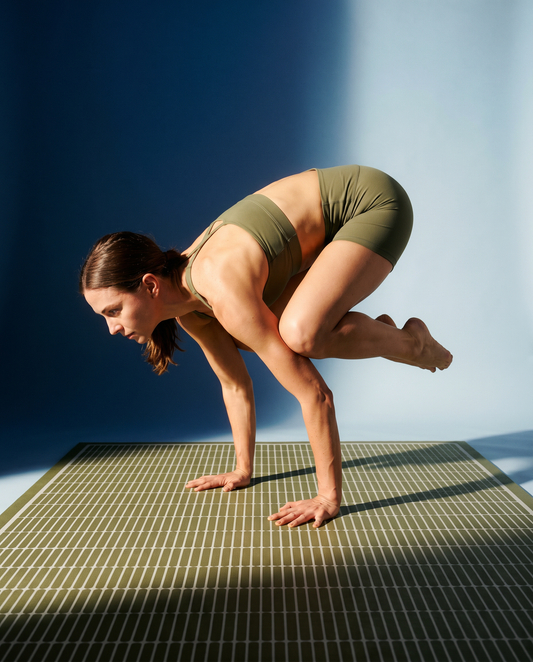
At home, movement tends to be less contained. A single workout might include stretching, strength training, floor work, and recovery, all in the same session. On a small mat, it’s easy to feel constrained. Hands slip off the edges. Feet land half on and half off. Focus shifts from movement to constantly repositioning.
The issue isn’t skill level or workout type. It’s space.
Why small mats feel fine at first
For short sessions or simple routines, a smaller mat can feel adequate. Yoga flows with limited lateral movement or quick workouts that stay mostly upright don’t immediately expose the problem.
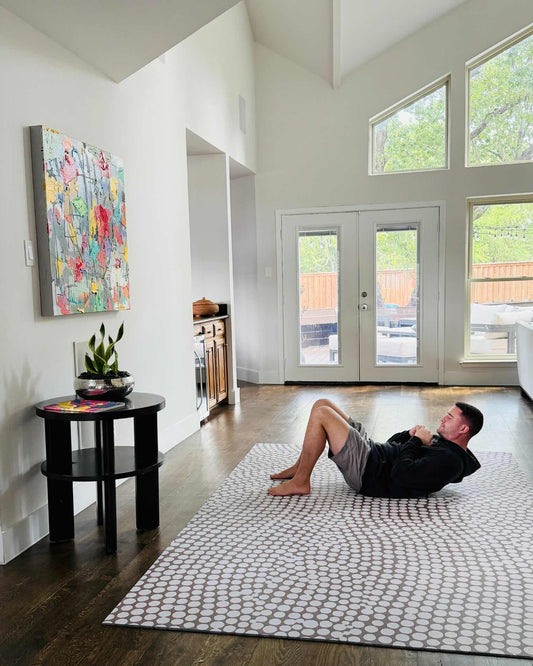
But as routines evolve, so do expectations. Once workouts include lunges, core work, or transitions across the floor, the edges start to matter more than people expect.
Key takeaway: small mats aren’t wrong, they’re just designed for a narrower use case.
How limited space affects consistency
One of the biggest barriers to sticking with home workouts isn’t motivation, it’s friction. When a mat feels restrictive, workouts feel interrupted. Over time, that small annoyance can be enough to shorten sessions or skip them altogether.
A surface that allows you to move freely reduces those micro-frictions. When you don’t have to think about staying on the mat, it’s easier to stay in the workout.
The difference between portability and practicality
There’s a trade-off between mats designed to travel and mats designed to live in one place. Small mats are ideal for commuting to class or packing away after use. At home, that portability often isn’t necessary.
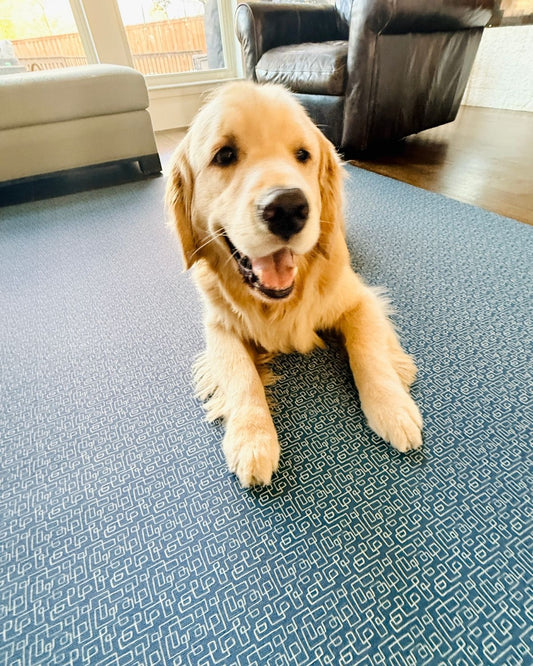
Many people prefer a mat that defines a workout area and stays in place. When the setup is already there, starting a workout requires less effort, which matters more than most people realize.
Key takeaway: at home, practicality usually matters more than portability.
When it’s time to upgrade your mat
If workouts regularly spill off the edges of your mat, or if you find yourself constantly adjusting your position, it’s usually a sign that the surface no longer matches how you move.
Upgrading doesn’t mean changing workouts. It means choosing a mat that supports the way you already train.
If you’re unsure how mat size affects different workout styles, this comparison between yoga mats and exercise mats breaks down what actually matters for home workouts:
Where Swankymat fits in
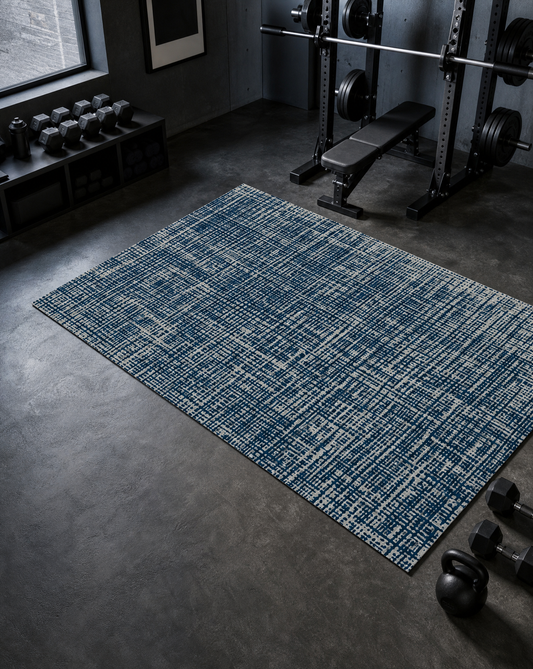
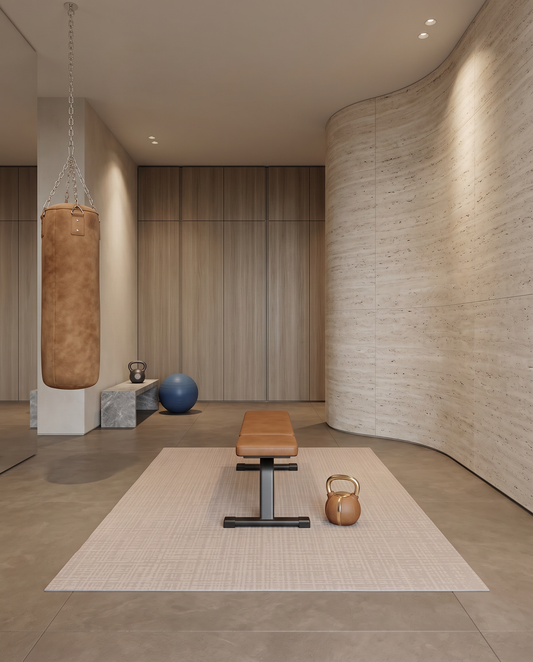
Swankymat was designed for home workouts that don’t stay neatly inside a small rectangle. The extra-large, single-piece surface gives you room to move through strength training, yoga, Pilates, and floor work without feeling boxed in.
Because it’s made to stay out in shared spaces, it removes the setup barrier that often comes with home fitness. If you’re looking for a mat that supports the way people actually work out at home, you can explore the collection here.