

Back-to-School Movement Setup for Parents: Reclaim the Morning

The back-to-school window is one of the two highest-leverage moments of the year to restart a movement practice, alongside the January new-year window. The reason is structural. Kids returning to school creates a predictable morning schedule for parents for the first time since June. The window from mid-August to mid-September is when that schedule is most negotiable. Once the school year settles into its rhythm, changing morning behavior gets significantly harder.
This post covers what to set up in the back-to-school window so a parent movement practice actually holds through the fall.
The Timing Question
The two weeks before school starts and the first two weeks after are the setup window. Before school starts, the schedule is still summer-flexible enough to prototype the new routine. After school starts, the routine gets tested against real morning conditions (getting kids ready, packing lunches, drop-off logistics) while the structure is still forming.
If the routine survives the first month of school, it tends to last through the year. If the routine has not started by October, the odds drop significantly. Late fall is not a good time to start a new morning practice.
The Structure That Fits School-Year Mornings
The routine that works for most parents during the school year has three properties.
It fits before the family wakes. A morning practice that competes with kids getting ready loses to the kids getting ready. The most sustainable structure is a 20 to 30 minute practice before the household is awake, which for most parents means starting between 5:30 and 6:30 AM.
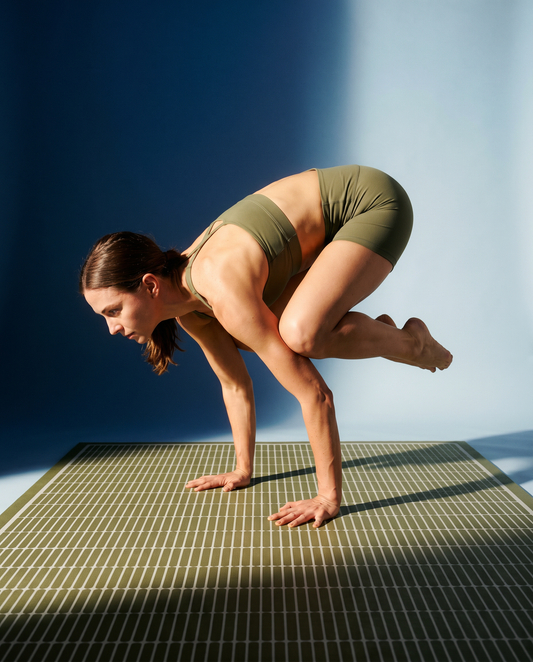
It requires no setup. The mat lives on the floor. The gear is in a basket beside it. The lighting is already positioned. Setup time is zero. This is the difference between a routine that survives a 6 AM alarm and one that does not.
It stays quiet. Low-impact movement (yoga, Pilates, mobility, stretching, light bodyweight strength) fits early morning household conditions. Impact work (jumping rope, burpees, plyometrics) wakes up sleeping family members. The routine that avoids waking the household is the routine that gets to happen.
What to Set Up Before the First Day of School
Six specific setup decisions to make before school starts.
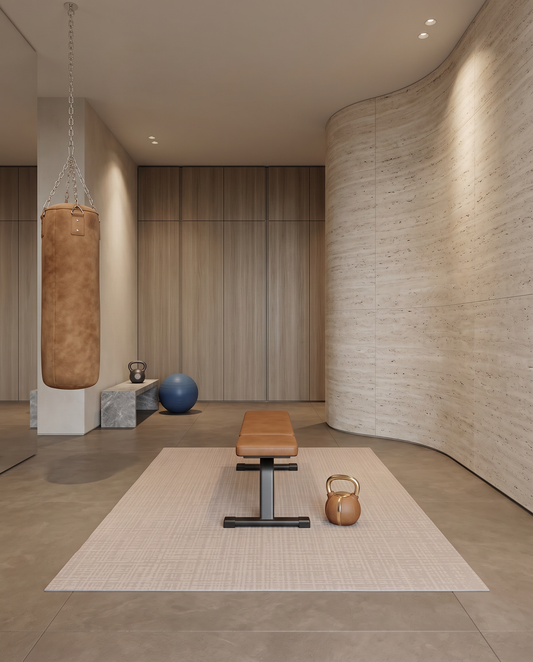
Choose the room. Bedroom corner, living room, or dedicated wellness corner. The bedroom tends to work best for the early morning window because it removes the commute from bed to practice. For more on the decision, the post on carving out a space for your home gym covers the room-by-room tradeoffs.
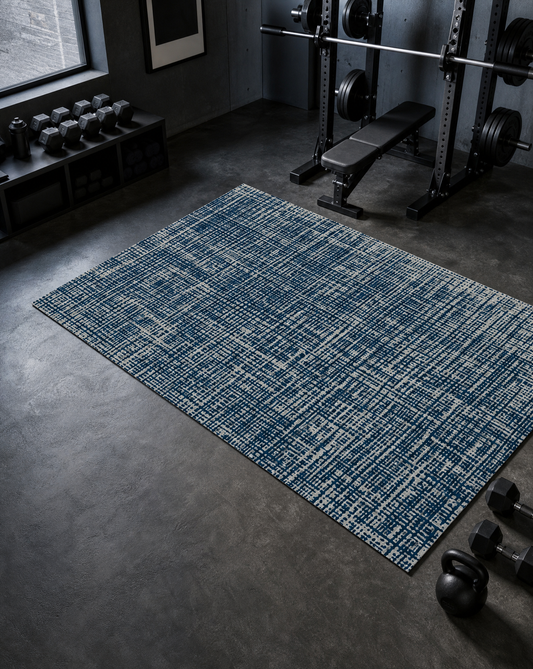
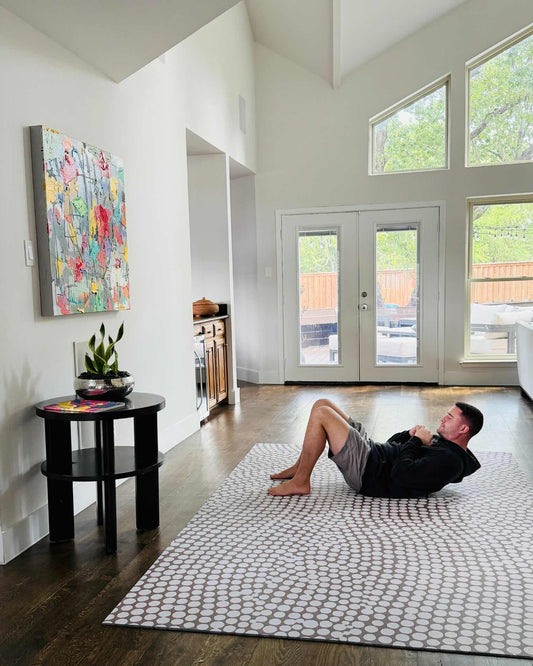
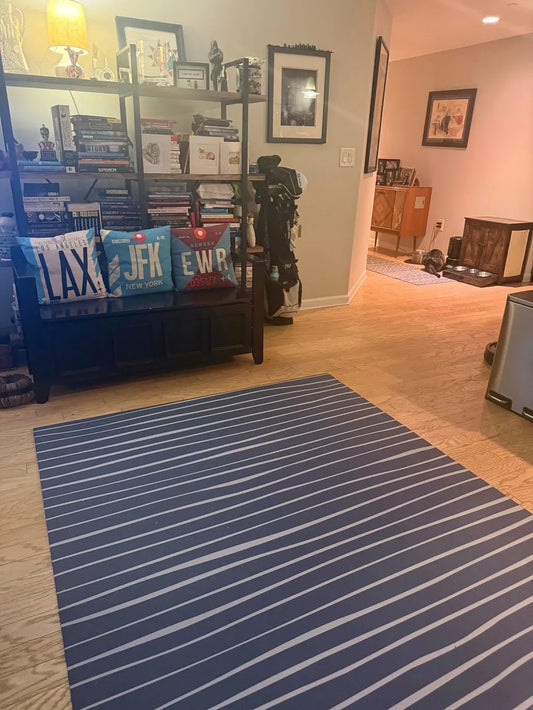
Pick a mat that stays out. A single-piece cushioned mat sized as an area rug removes the setup step. Foam tiles and roll-up mats add friction that morning routines rarely survive.
Assemble a small equipment basket. Resistance bands, a foam roller, two yoga blocks, a strap. Everything the routine needs sits in one basket beside the mat.
Position dimmable lighting. A single lamp or a wall sconce that can hold a warm low setting. Overhead lighting at 6 AM is jarring and often wakes the household.
Set out clothes the night before. Practice clothes on a chair beside the bed. The morning decision-load drops by one when the outfit is already chosen.
Establish the practice window. Same time every morning for the first month. Consistency in when matters more than which specific movements happen.
The First Month Plan
Week 1 of school: A 20-minute mobility and stretching session, five days a week. The goal is showing up, not intensity.
Week 2: 20 minutes, five days a week, with one strength element added (a plank sequence, a bodyweight squat set, or a light dumbbell circuit).
Week 3: Extend to 25 minutes, four to five days a week. Add a second strength element or a Pilates block.
Week 4: Settle into the routine that fits your energy and schedule. Some parents extend to 30 minutes. Others hold at 20 to 25 and add specific goals (a yoga progression, a strength progression, a flexibility target).
What Tends to Derail the Routine
Three specific failure patterns show up in the first month.
The first is over-ambitious start. A 60-minute program in Week 1 collapses by Week 3. Start smaller than feels satisfying and expand once the habit is established.
The second is inconsistent timing. Practicing at 6 AM three days and 7 AM two days makes the habit harder to lock in than practicing at 6:15 AM every day.
The third is a mat that gets rolled up. Every time the mat comes off the floor, the odds of the next session decrease. Leave it out. The visual presence is what makes the routine automatic.
The Setup That Supports the Routine
The single element most likely to determine whether a parent morning routine holds through the school year is the floor surface. Swankymat is calibrated for exactly this decision. Non-toxic high-density foam with 6mm of supportive cushion, a waterproof wipe-clean surface, and Greenguard Gold certified inks. Sized as an area rug (5x7 for a bedroom corner, 6x9 for a full living room). Designed to live on the floor permanently, which removes the setup step from every session.
For a broader look at the science of habit formation for morning practices, the post on making movement part of your daily routine covers the structure. For the compact five-minute version on days that run tight, the post on movement microhabits covers the fallback plan.