

The Best Anti-Fatigue Mat for a Standing Desk

A standing desk solves the problem of sitting all day and quietly introduces a new one. Standing still on a hard floor for hours is its own kind of fatigue. The feet ache, the lower back tightens, and the calves lock up, and within a week most people are sitting again and the desk goes back to its lowest setting. The fix is not a better desk. It is the surface underneath it.
An anti-fatigue mat keeps you standing longer by giving the body small amounts of movement and cushion to work with. Here is what actually matters when you choose one.
Why Standing on a Hard Floor Tires You Out
When you stand on concrete, tile, or hardwood, your body holds a single position with no give. Blood pools, the same muscles stay loaded the entire time, and the joints take the full reflected force of every shift in weight. An anti-fatigue surface introduces micro-movement. The slight give underfoot prompts constant tiny adjustments in the legs and feet, which keeps circulation moving and spreads the load instead of concentrating it. That is the whole mechanism, and it is why cushion and the right firmness matter more than any feature on the box.
What an Anti-Fatigue Mat Has to Get Right
The right cushion, not the most cushion. Too thin and there is no relief. Too soft and the foot sinks, which makes the stabilizing muscles overwork and creates a new kind of tired. The sweet spot for standing is firm support with give, in the range of 5 to 8mm of high-density foam. Thinner than 4 to 5mm and you are barely off the floor.
Enough surface to shift on. Most office anti-fatigue mats are tiny, roughly the size of a bath mat. That keeps your feet locked in one small zone, which defeats the purpose. A larger surface lets you step, shift your stance, and move your feet through the day, which is exactly the micro-movement that keeps you standing.
A surface that stays put and wipes clean. It lives under a desk, near a chair, in a room you work in every day. It should not slide on hardwood, curl at the edges, or hold onto the dust and crumbs an office floor collects.
Why Most Standing-Desk Mats Fall Short
The typical anti-fatigue mat is a small, dark, contoured foam pad designed to look like office equipment and sized so you cannot really move on it. It does the minimum, dents permanently where your feet land, and looks like exactly what it is in a room you may also take calls in, sit in, or share with the rest of the house.
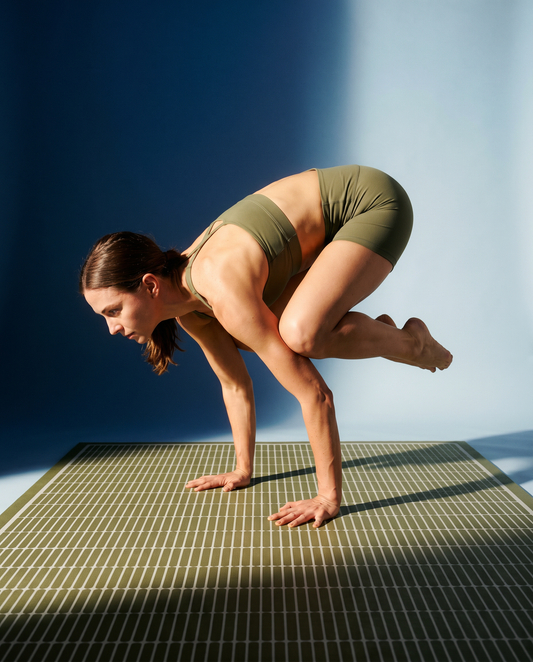
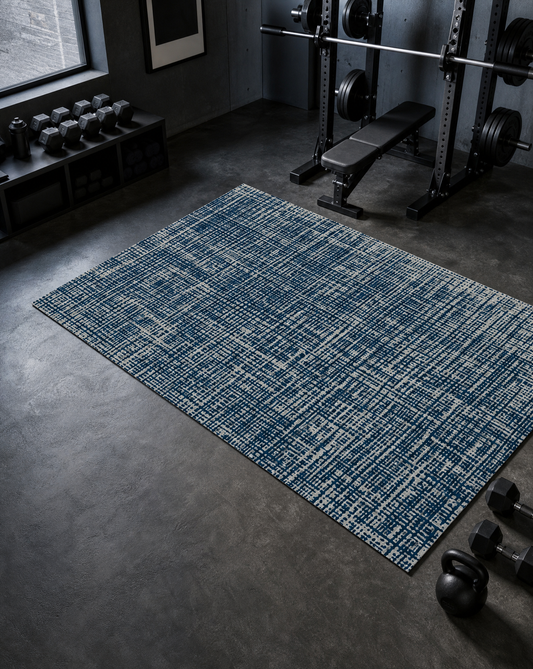
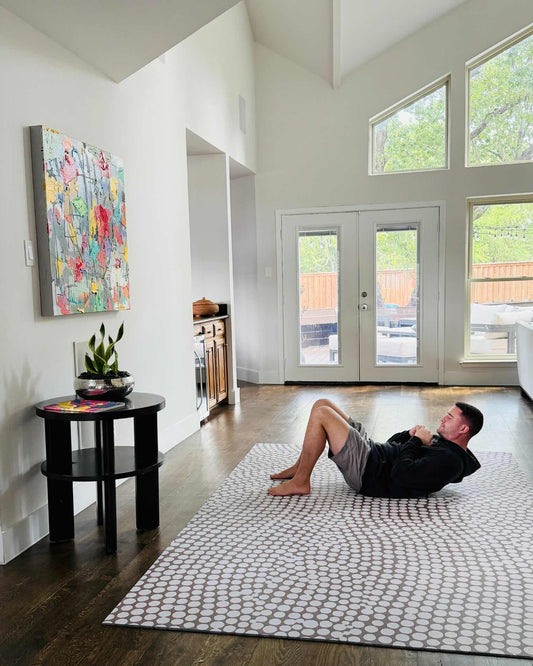
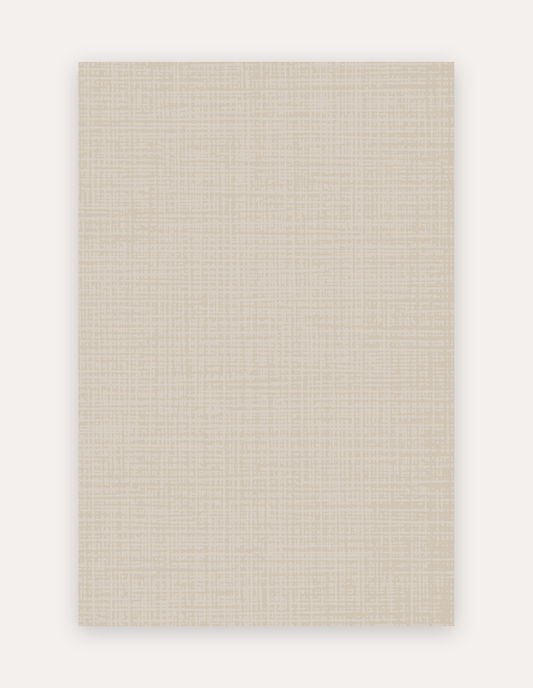
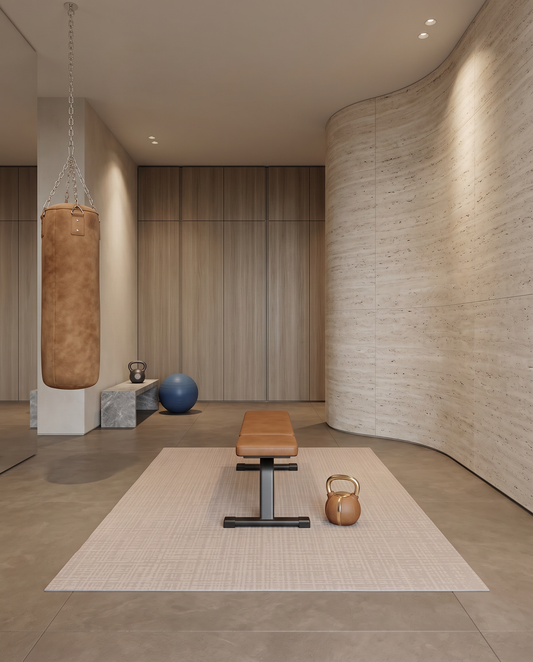
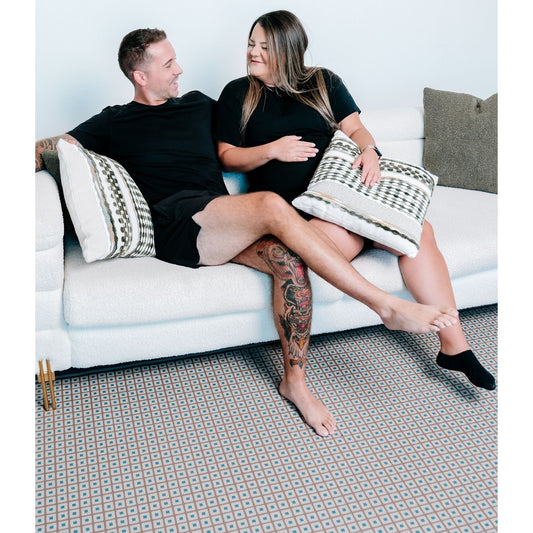
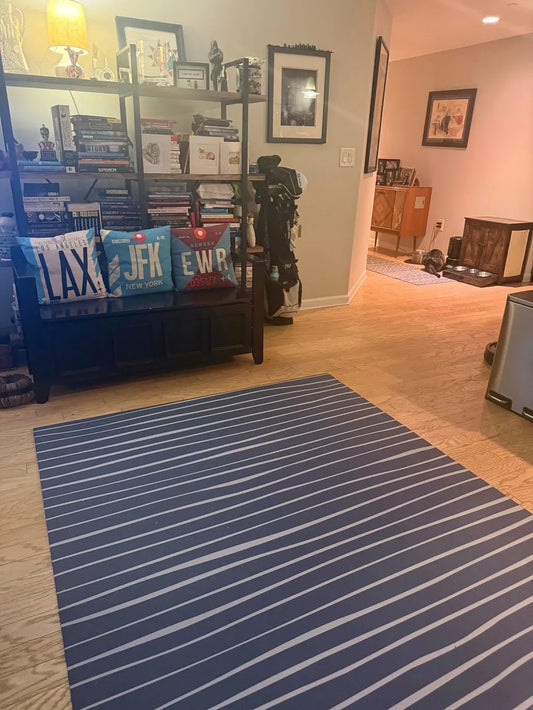
A Swankymat works as an anti-fatigue surface and solves the size and the look at the same time. At 5x7 or 6x9 feet with 6mm of high-density cushion, there is room to actually move your feet, and the modern design reads as a rug rather than a foam pad. It is a single waterproof piece that wipes clean and does not absorb the spills a desk area inevitably produces. When you are done working, the same mat is there for a midday stretch, a few minutes of mobility, or a quick floor session to undo the standing.
The Standing Desk Setup That Actually Lasts
The people who stick with a standing desk are not the ones with the most expensive desk. They are the ones who made standing comfortable enough to keep doing. A surface with the right cushion and enough room to move is the difference between a desk that stays raised and one that quietly drops back down. It also turns a few square feet of office floor into a space that does more than hold a chair.
For more on building a home space that works harder than its footprint, see how to set up a home workout space in a small apartment, or read our renter's guide to protecting hardwood floors if your desk sits on a floor you would rather not scuff.