

The Best Fitness Mat for Health, Recovery, and Daily Practice

The fitness mat category divides into two clusters that get treated as one. Gym mats are built for occasional intense sessions with high impact and heavy load. Health-focused mats are built for daily practice across multiple low-to-moderate intensity formats. The specifications differ meaningfully, and the mat that works for one purpose rarely works for the other.
This post covers what separates a fitness mat built for health from a fitness mat built for gym use, and the specifications worth prioritizing when the mat is going to support a daily practice over years.
The Gym Mat Category
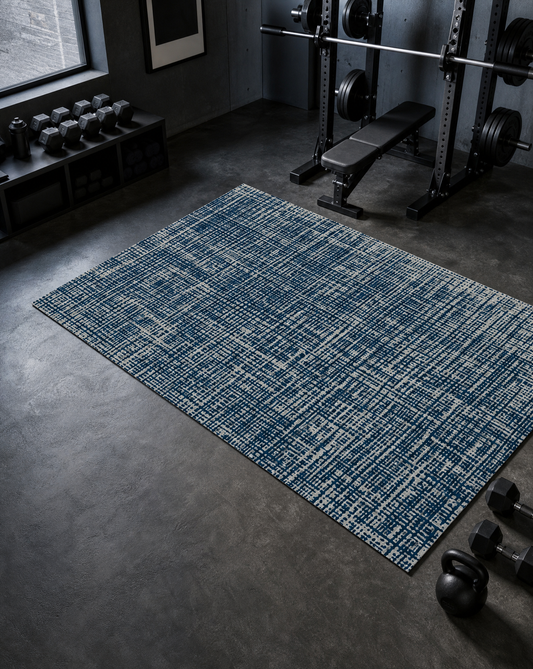
Gym mats prioritize impact absorption and durability under load. Thick foam (often 10 to 20mm), heavy weight, textured surface designed for grip during heavy lifting. The tradeoffs include compromised balance stability, aesthetics that only fit dedicated gym rooms, and mats that are impractical to move once installed.
The category works for its intended use. Heavy weightlifting, powerlifting, kettlebell drops, plyometric training. Adults who train these formats regularly benefit from equipment optimized for the specific demands.
The Health Mat Category
Health-focused mats prioritize daily practice, mixed-format use, and long-term durability across gentler training styles. The specifications look different.
Six millimeter thickness. Enough cushion for supine spinal work, kneeling exercises, and long floor holds. Firm enough to preserve stability during standing balance work.
Single-piece construction. No interlocking tiles, no bonded top layers that peel. The mat has to hold up to daily use for years rather than infrequent heavy use for months.
Waterproof, wipeable surface. Daily cleaning has to be a damp cloth rather than a laundry cycle. The surface has to handle sweat, spills, pet accidents, and daily wear without absorbing anything into the material.
Certified non-toxic construction. Daily long-duration contact between skin, breath, and the mat surface makes material transparency non-negotiable. Non-toxic construction alongside named third-party certifications on the printed surface (such as Greenguard Gold certified inks from UL Solutions) provides the material assurance that daily use requires.
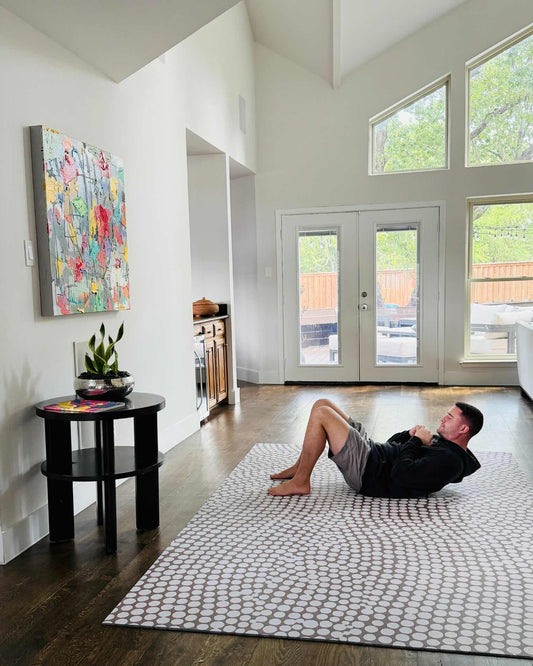
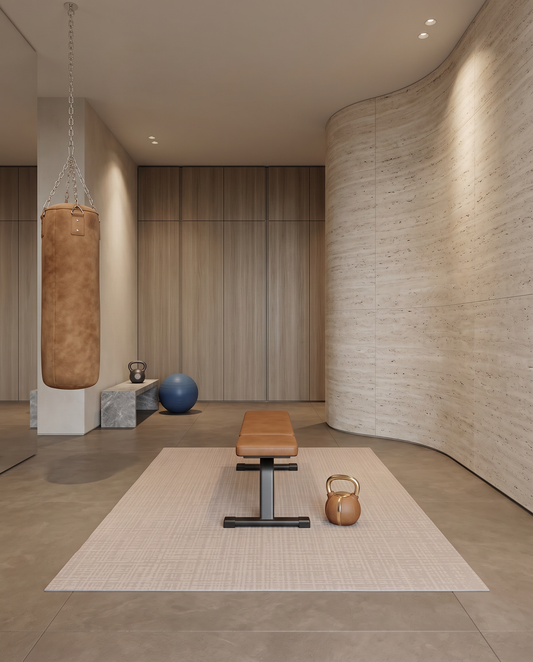
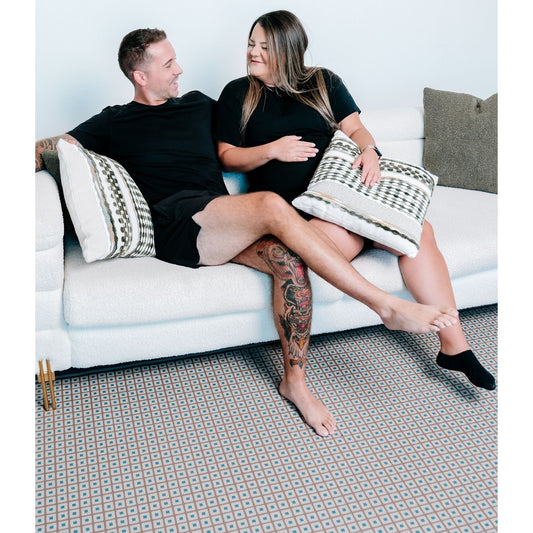
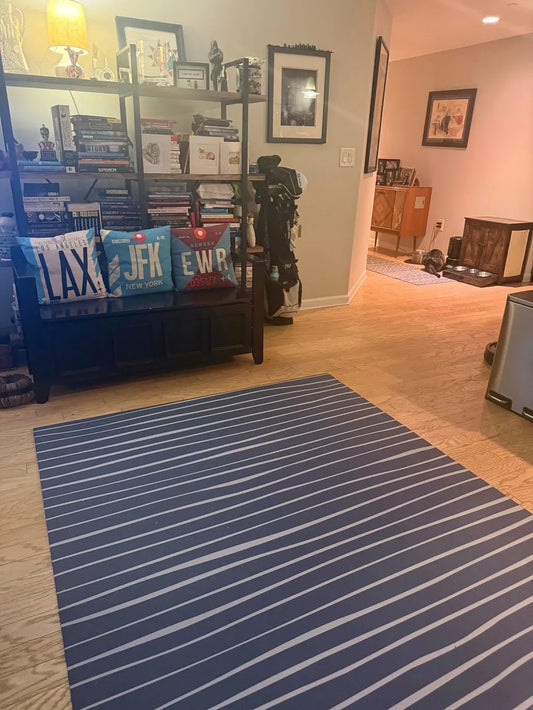
Aesthetic integration. A mat used daily lives visible in the room. Design decisions that fit the room aesthetic keep the mat out permanently rather than rolled and stored, which is what makes the daily practice sustainable.
Why the Distinction Matters for Health Outcomes
Health outcomes from movement practice depend on consistency far more than on intensity. Daily 15 to 20 minute practice produces meaningfully better long-term results than weekly intense sessions across almost every measurable health metric: mobility, sleep quality, mental health, cardiovascular health, back pain, and general aging outcomes.
The mat that supports daily practice is different from the mat that supports weekly intensity. A gym mat that sits in the garage rarely gets used daily; a health mat in the living room gets used almost every day. The construction that makes the second possible is what determines whether the practice actually happens.
What Health-Focused Practitioners Actually Do
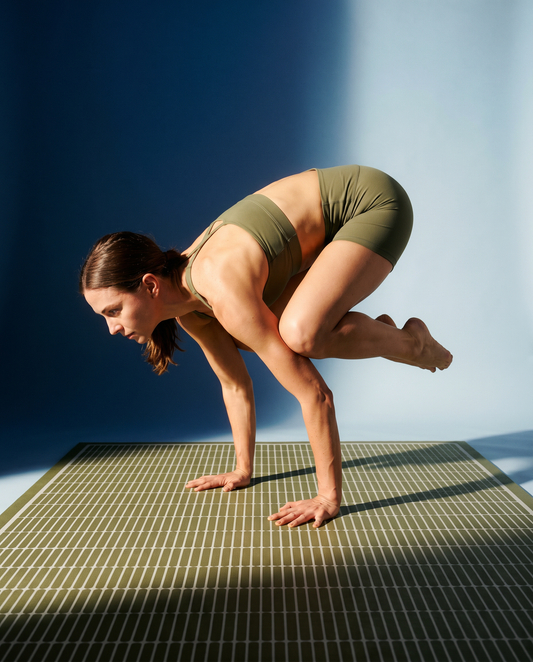
The formats that produce the best health outcomes tend to be low-to-moderate intensity, floor-based, and mixed. Yoga (any style), Pilates, mobility work, restorative practice, stretching, light bodyweight strength, dumbbell floor work. All of these require a health-mat specification rather than a gym-mat specification.
Heavy compound lifting, high-impact intervals, and drop-friendly training require gym-mat specifications. Some households need both. Most households need only one, and it is usually the health mat.
What to Prioritize When Buying
Four criteria in order of priority for a health-focused mat.
First, material transparency and certification of the printed surface. Named certifications matter more than general non-toxic marketing claims.
Second, construction integrity. Single-piece, no bonded top layer, no tile seams. This determines whether the mat lasts three years or ten.
Third, appropriate thickness. Six millimeters is the sweet spot for mixed-format daily practice. Thicker mats compromise standing work; thinner mats compromise floor work.
Fourth, aesthetic design. A mat that stays out gets used. A mat that reads as gym gear tends to get rolled and stored, which breaks the daily practice.
The Swankymat Health-Mat Position
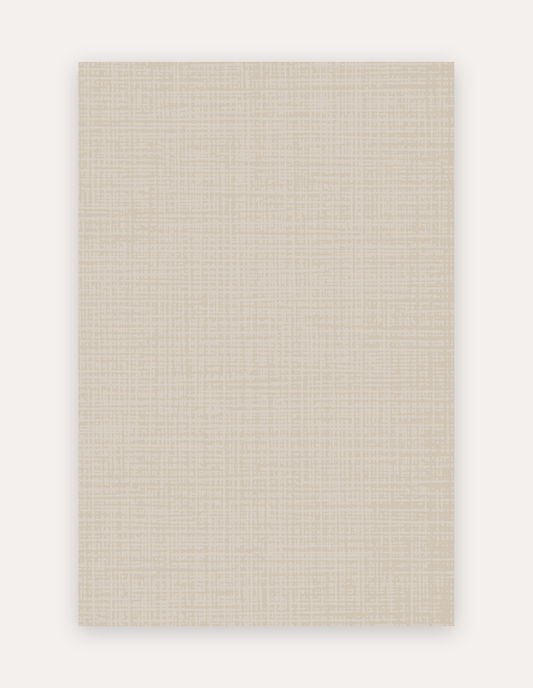
Swankymat is built specifically for the health-focused category. Non-toxic high-density foam with 6mm of supportive cushion, a waterproof wipe-clean surface, and Greenguard Gold certified inks on the printed surface. Single-piece construction with no top layer to peel. Hand-drawn patterned designs that read as area rugs rather than as workout gear. Available in Oversized 5x7 and 6x9 for permanent floor placement, and the rollable Studio Mat for portable or shared use.
For the broader case for evaluating mats in the premium category, the post on what makes a mat premium covers the five-criteria framework in detail. For the buying decision itself, the swatch pack ships three real material samples for $15, credited to your mat, and unlocks the Perfect Match Guarantee for a one-time free colorway switch. Swatch it, switch it free.