

The Most Luxurious Fitness Mats: What Makes a Mat Premium

The luxury fitness mat category has grown quickly in the last decade. Prices at the top of the category run four to six times what a basic gym mat costs, and the marketing rarely explains what the difference actually delivers. This post is a working definition of what makes a mat luxurious rather than just expensive, and what customers who invest in the category tend to prioritize.
Five Criteria for the Luxury Mat Category
A luxury fitness mat tends to meet all of the criteria below. An expensive mat that meets three of them is priced against the category without delivering the category standard.
1. Material Transparency
Luxury mats disclose what they are made of. Named base material, named ink or dye process, named certifications from independent testing bodies. Vague descriptions of premium eco material or non-toxic construction without further detail signal a mat priced against the category rather than built for it.
2. Construction Integrity
The construction of a premium mat determines its lifespan more than any other single factor. Single-piece construction (base and surface integrated as one unit) outperforms layered construction, where a printed or treated top layer is bonded to a foam base and gradually delaminates over time.
Peeling, flaking, and surface delamination are the most common complaints across the premium mat category. Mats built with integrated construction avoid the failure mode by design.
3. Cushion Calibration
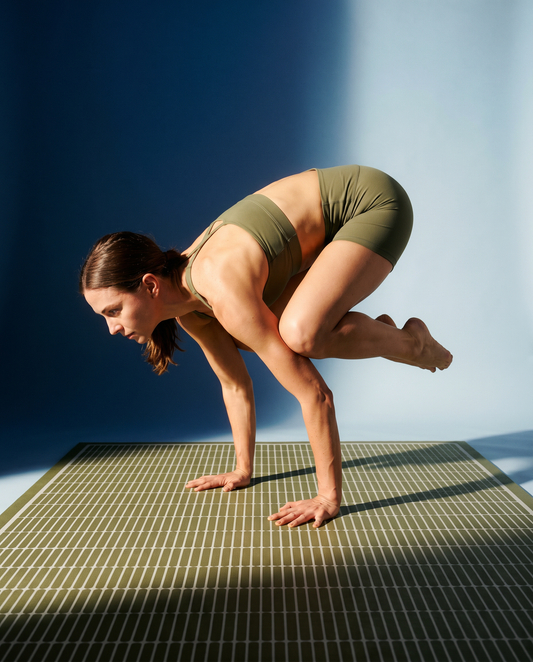
Premium mats hit the calibration between cushion and stability better than budget mats do. Enough thickness to protect knees and wrists during floor work, but firm enough that standing balance work stays stable. A very thick mat compromises balance; a very thin mat compromises cushion.
4. Aesthetic Design
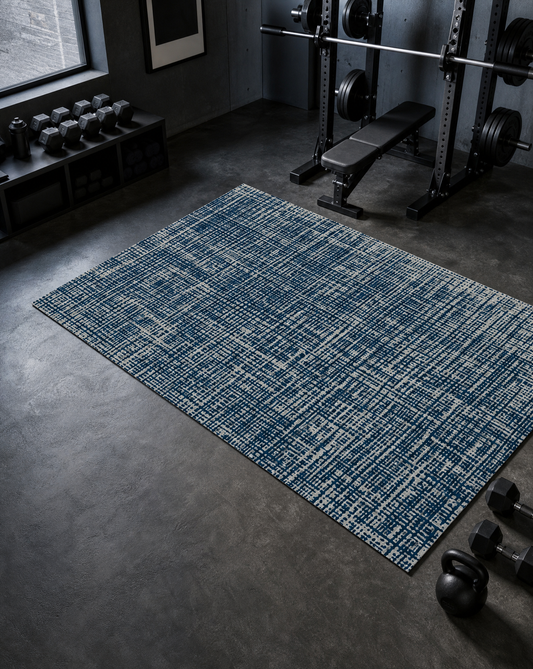
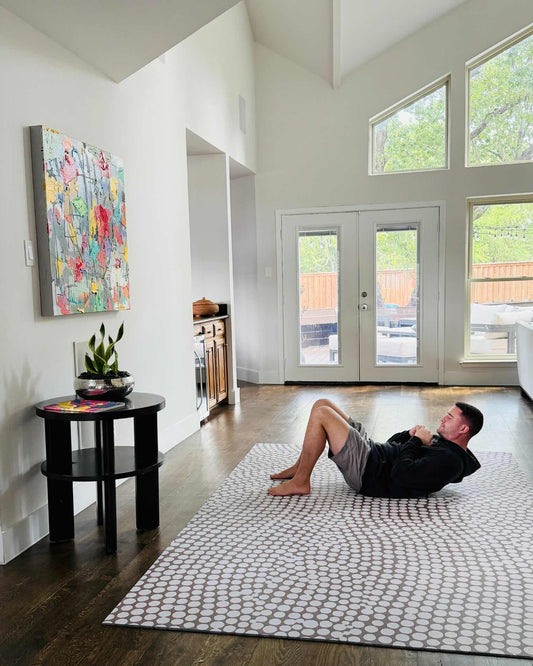
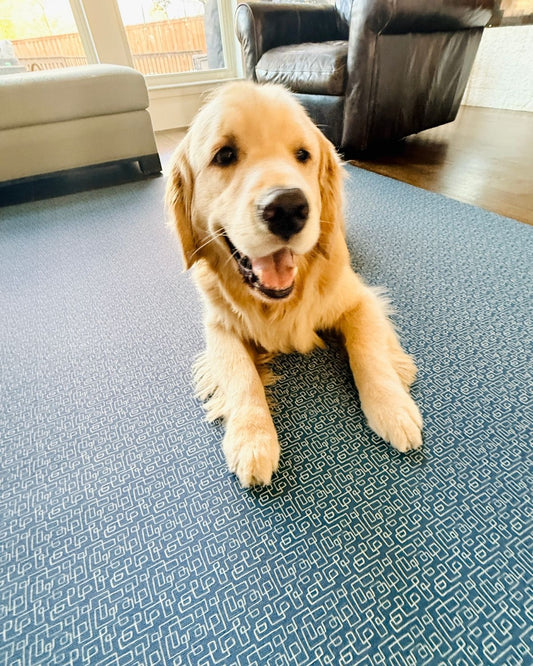
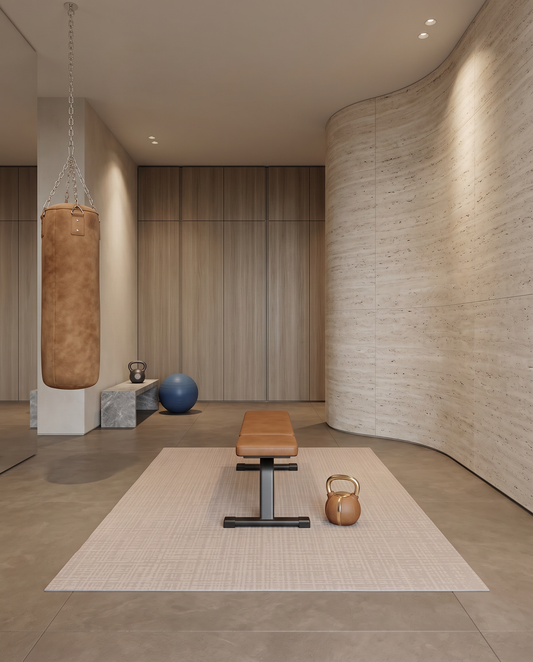
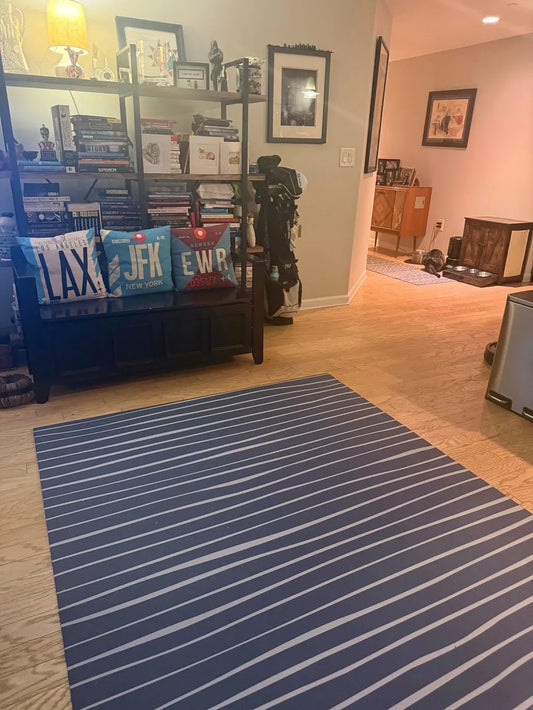
Luxury mats read as designed objects rather than as gym equipment. Neutral palettes, considered patterns, restraint on branding, and construction details (edge finishing, printed pattern quality, colorway coherence) that hold up to close inspection. The mat looks like something you would leave out in a designed room.
The Cost-Per-Year Math
The economics of a luxury mat depend on lifespan. A mat that costs three times more than a budget mat but lasts five times longer has a lower cost per year. A mat that costs three times more and lasts twice as long has a higher cost per year despite the luxury positioning.
The construction category most likely to justify the premium price is single-piece integrated construction with certified materials. Layered construction at any price tends to fail on the peeling issue within two years of consistent use, regardless of the initial price.
For more on evaluating mats in the premium category, the post on what makes a great yoga mat covers the buying framework.
Where Swankymat Sits in the Category
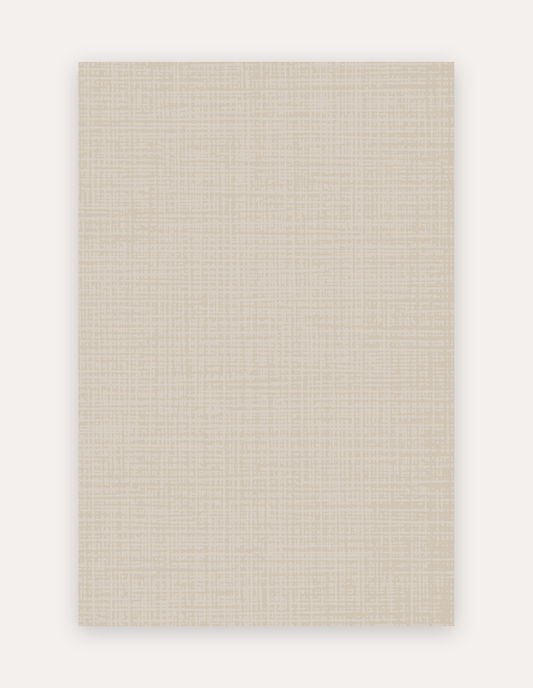
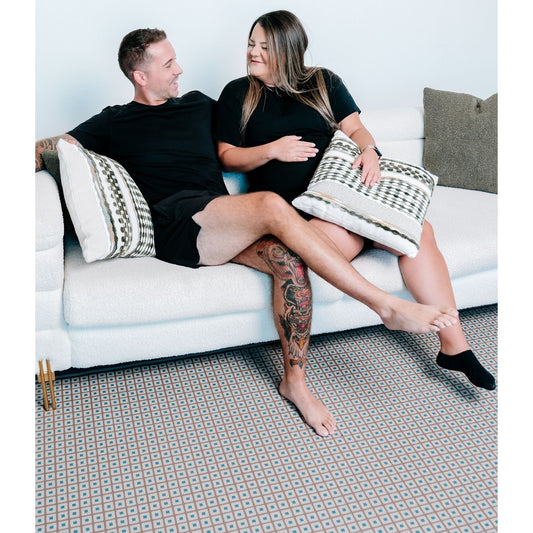
Swankymat meets all criteria of the luxury mat category by design. Named certifications (Greenguard Gold certified inks, tested eco-PVC foam, free from phthalates, BPA, and flame retardants). Single-piece integrated construction with no top layer to peel. Six millimeters of non-toxic high-density foam calibrated for mixed-use floor work. Hand-drawn patterned designs (Sloane, Rhodes, Circa, Avalon, and the new Sloane Midnight) that read as designed objects rather than as gym gear. And responsive customer support with a 30-day risk-free return window.
For customers considering the luxury mat category more broadly, the swatch pack ships three real material samples so you can see the colors and texture in your space with your first Oversized mat, which is the most reliable way to evaluate the material and construction in hand before committing.