

Why Floor Workouts Hurt Your Knees and Wrists (and How to Fix It)

You're motivated, you're on the floor, and three minutes into the workout your knees are screaming, your wrists ache in plank, and your tailbone is bruised from sit-ups. It's enough to make you wonder if your body just isn't built for floor work. Usually that's not the problem at all. The problem is what you're lying on, and it's a far easier fix than you'd think. Before you give up on floor exercises or assume you need to push through the pain, it's worth understanding why this happens and what actually solves it.
It's probably not you
Knees, wrists, elbows, and the tailbone are all places where bone sits close to the surface with very little natural padding. Press them into a hard floor and it hurts, no matter how fit or lean or strong you are. Add the repetitive load of a workout, dozens of reps grinding the same joint against the same hard surface, and that discomfort becomes the reason you cut sessions short or quietly drop floor exercises from your routine altogether. It's a setup issue, not a fitness one, and recognizing that is the first step to fixing it.
The exercises that suffer most
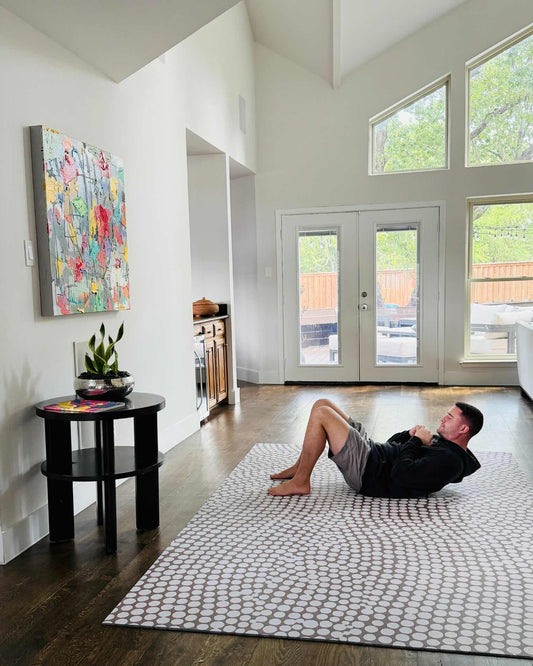
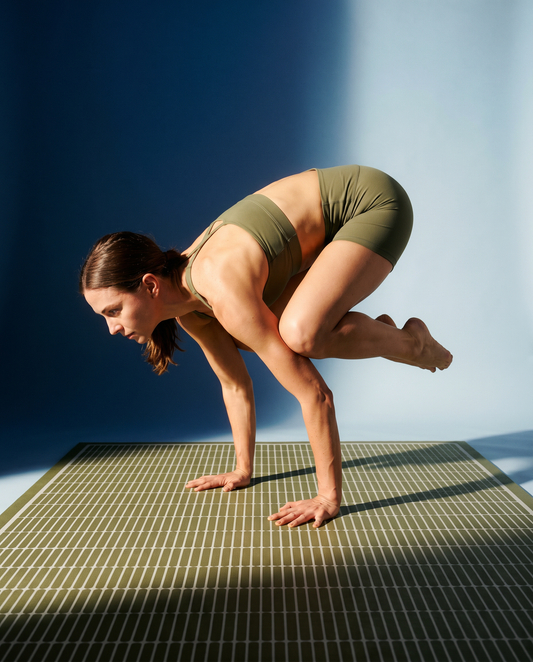
Certain movements are almost impossible to enjoy on an unforgiving surface. Planks and push-ups put your full weight through your wrists. Kneeling movements like bird-dogs, hip thrusts, and certain lunges dig straight into the kneecap. Sit-ups, crunches, and any rolling core work grind the tailbone and spine. Even floor stretches and cooldowns become something you rush through. If you've found yourself avoiding all of these, it's not a coincidence, and it's not a lack of toughness. The surface is quietly editing your workout for you.
Why the usual surfaces fall short
- Bare hardwood or tile. No give at all. Brutal on knees and wrists, cold, and slippery once you start to sweat.
- Thin yoga mats. Designed primarily for grip, not cushion. A couple of millimeters does very little for a bony knee under load.
- Carpet. Softer underfoot, but unstable for pushing off, unhygienic for sweaty floor work, and it still doesn't protect your joints the way you'd hope. It also can't be wiped clean.
- Folded towels or a blanket. The classic improvisation. They slide, bunch up, and never stay where you need them, so you spend the set readjusting instead of training.
What actually helps
The fix is cushion and stability working together. You want enough padding to protect the bony contact points, a surface large enough that you're not constantly repositioning to stay on it, and enough grip that it stays put while you move. Thickness is the key variable most people underestimate. There's a meaningful difference between the thin mat built for standing yoga and a properly cushioned mat built for floor work and impact. Get cushion, size, and grip right together and the exercises that used to hurt simply stop hurting, which means you can finally do them consistently instead of avoiding them.
Cushion without sacrificing stability
It's worth noting the balance here, because more padding isn't automatically better. A mat that's too soft and squishy makes balance work and standing movements wobbly, which creates its own problems. The sweet spot is a firm, supportive cushion that absorbs pressure on your joints while still giving you a stable base to push from. That's the combination that lets you do a plank, a set of sit-ups, and a standing flow on the same surface without compromise. When you find it, floor work stops being the part of your routine you dread.
The simplest upgrade to your floor work
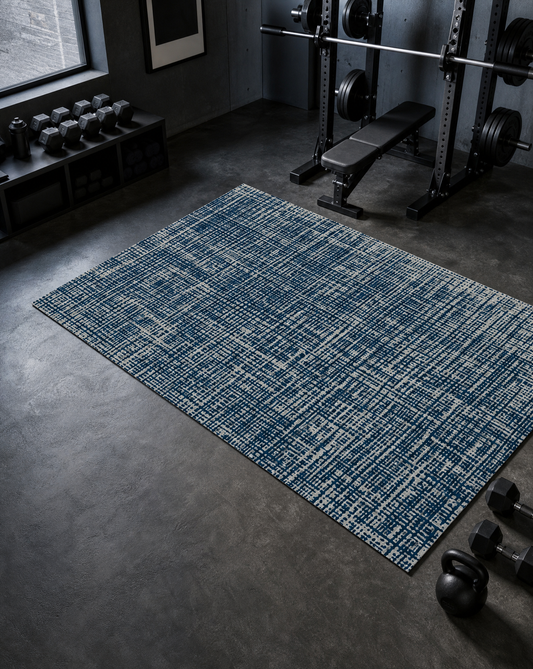
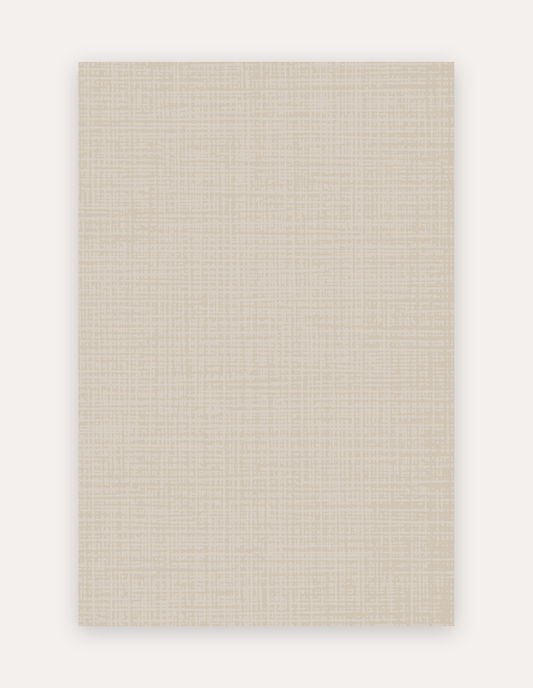
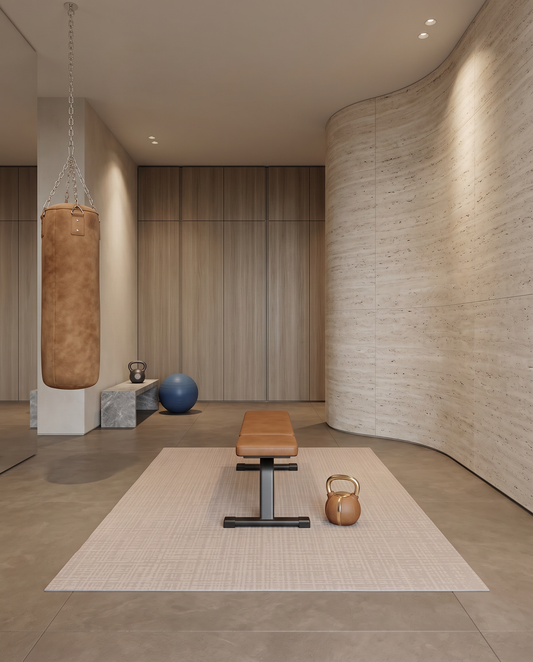
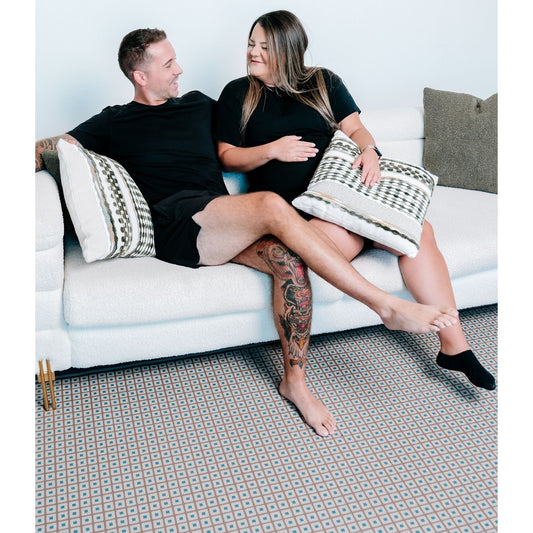
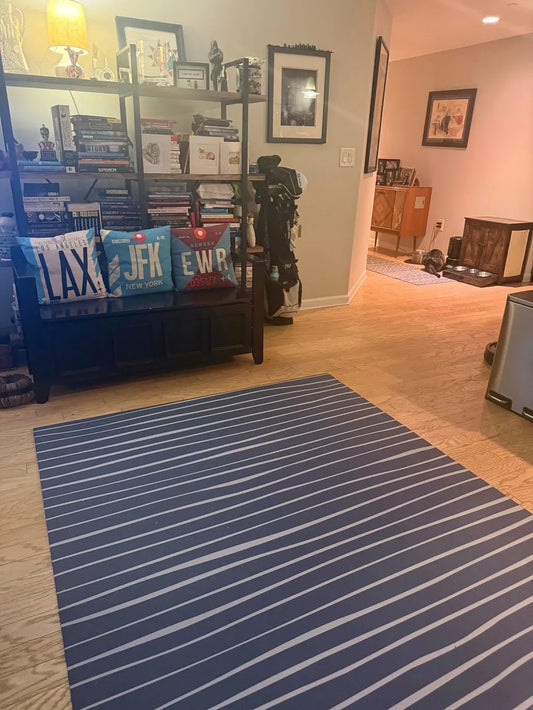
This is the entire reason a Swankymat is built the way it is. The 6mm cushion is specifically there to protect your knees, wrists, elbows, and tailbone during planks, push-ups, sit-ups, and everything else that meets the floor, so a hard surface stops being the limiting factor in your workout. It's large and stable, so you move freely without sliding or running out of room, and it's made with non-toxic materials and Greenguard Gold certified inks, plus waterproof and wipe-clean for the sweat that comes with real training. It even comes in modern colorways like Circa Sandstone that look good enough to leave out, so the easier, more comfortable workout is always within reach instead of rolled up in a closet.
Do the work without the wear and tear
The payoff goes beyond comfort in the moment. When floor exercises stop hurting, you stop skipping them, and the core work, mobility, and strength training you'd been avoiding come back into your routine. Consistency is what produces results, and a surface that removes the reason you quit is one of the most underrated upgrades you can make. When the floor stops fighting you, showing up gets a whole lot easier. And since it's HSA/FSA eligible, the upgrade may even qualify for tax-advantaged dollars, which makes the easiest fix for your floor work an easy decision too.