

Physical Therapy at Home: Building a Movement Surface That Supports the Work
Physical therapy used to mean driving to a clinic two or three times a week. Now most plans include a home exercise program that does as much of the work as the clinic visits. The exercises are simple. The hardware is mostly your own body. What gets overlooked is the surface you do the exercises on.
A bad surface makes home PT harder than it needs to be. A good one disappears, which is what you want. This is a guide to what actually matters when picking a mat for at-home physical therapy, plus how HSA and FSA funds can cover the cost when the work is medically prescribed.
Why the Surface Matters More for PT Than for Casual Exercise
Physical therapy is precise. The exercises target specific tissue, often on a body that is recovering from injury or surgery. A slip, a wobble, or a hard landing on a thin mat can set the work back. The wrong surface also makes certain prescribed exercises hard to do at all.
Three failure modes show up over and over in home PT:
- The mat is too small. Most yoga mats are 24 inches wide and 68 inches long. Common PT exercises like clamshells, side-lying hip work, and lateral band walks need room to move sideways. A standard yoga mat puts your shoulder off the mat the moment you roll onto your side.
- The mat is too thin. Floor work that involves kneeling, lying on the spine, or pressing down through wrists and elbows gets uncomfortable fast on a 4mm mat. Discomfort changes how you do the exercise, and an exercise done with bad form is not the exercise your PT prescribed.
- The mat slides. Most exercises in a home PT program use a hard floor underneath the mat. A mat that slides on hardwood or tile is a fall risk during balance work, lunges, or any exercise that puts lateral force into the floor.
What to Look For in a Home PT Mat
The criteria that matter for PT overlap with the criteria for a good general exercise mat, but the weighting is different. Size and stability matter more. Aesthetics matter less, but they still matter if the mat is going to live out in the room.
- At least 5x7 feet of usable surface. That covers a full-body recline plus lateral movement on either side. Standard yoga mats do not.
- Enough cushion to support kneeling and supine work. Six millimeters of high-density material is the practical sweet spot. Thinner than that gets uncomfortable on bone-heavy exercises. Much thicker starts feeling unstable for balance work.
- Single-piece construction. Interlocking tiles have seams that catch heels, shift during exercises, and trap dirt. PT involves a lot of floor contact in different positions. The mat should be one piece.
- Non-slip on hard floors. The mat should hold position on hardwood, tile, or laminate without a rug pad and without adhesive.
- Waterproof, wipeable surface. Sweat from exercise, plus the wipe-down that comes with any surface that touches skin and joints daily. A surface that cleans with a damp cloth is the right choice.
- Non-toxic materials. A mat that sits in a recovery space and gets used daily should not be off-gassing. Look for phthalate-free, BPA-free, flame-retardant-free materials tested against recognized standards.
What Common Home PT Exercises Actually Need
If you are recovering from a knee, hip, back, or shoulder issue, your home program probably includes some combination of the exercises below. Each puts different demands on the mat.
- Hip and glute work. Clamshells, side-lying leg lifts, fire hydrants, and bridges happen on the side or back. They need lateral space (sideways movement on the side of the body) and enough cushion that the hip bone or shoulder blade is not pressing into a hard floor.
- Core re-engagement. Dead bugs, bird-dogs, and modified planks need the full length of the body and stable enough cushion that the spine can stay neutral.
- Balance and proprioception. Single-leg stands, weight shifts, and tandem stance work all need a firm enough surface that the foot can feel the floor. Too-soft mats make balance work harder than it should be.
- Mobility and stretching. Hip flexor stretches, hamstring stretches, and seated forward folds need space for the legs to extend fully without ending up on hardwood.
- Strength with bands or light weights. Lateral band walks, monster walks, and resistance band rows often happen standing or partially standing. The mat needs grip and enough surface area for full lateral movement.
One mat that handles all five is rare. A 5x7 single-piece mat with 6mm of high-density cushion is the version that actually does.
How HSA and FSA Can Cover the Cost
Yoga mats, exercise mats, and similar fitness equipment are not automatically HSA or FSA eligible. They become eligible when a licensed medical provider documents that the mat is part of treating, mitigating, or preventing a specific medical condition. That documentation is called a Letter of Medical Necessity, or LMN.
The path is straightforward when home PT is already part of a treatment plan:
- Your physical therapist or physician writes a Letter of Medical Necessity specifying the mat as part of your prescribed home program.
- You submit the LMN with your purchase receipt to your HSA or FSA administrator for reimbursement, or you pay with your HSA or FSA card directly.
- For qualifying customers, Swankymat partners with TrueMed to handle the LMN process through a licensed medical provider, so the documentation is straightforward.
The mat itself does not need a special "medical" designation to qualify. The medical necessity comes from the prescription, not the product.
Where Swankymat Fits
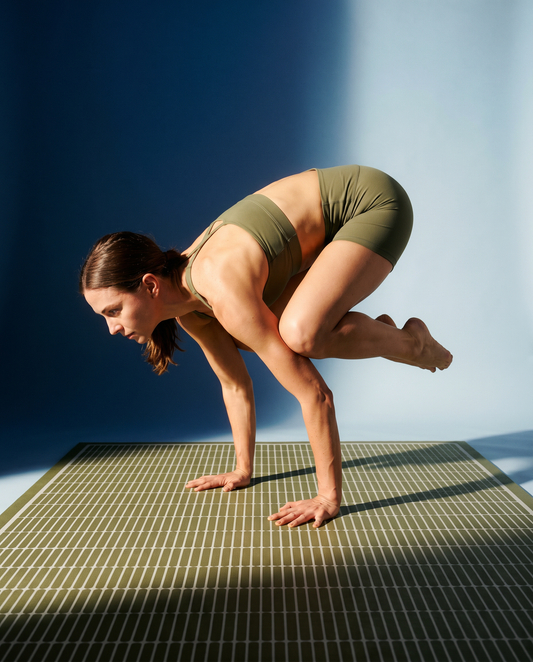
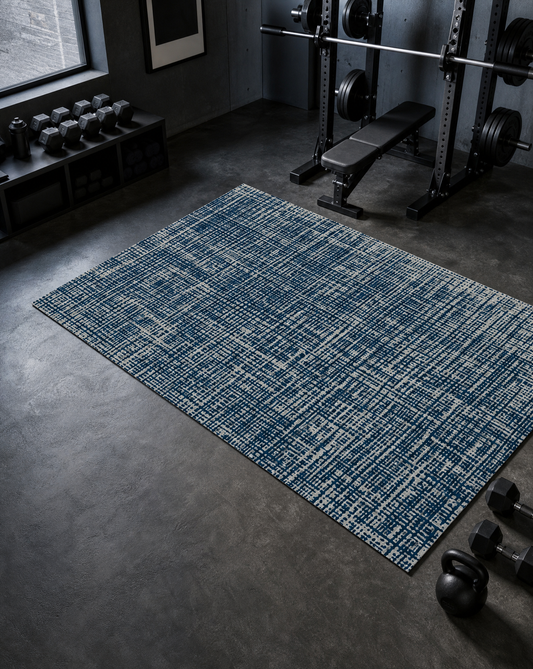
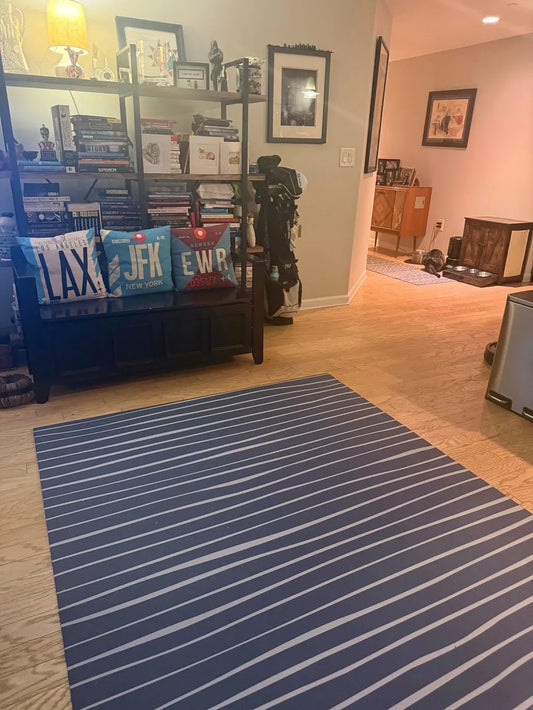
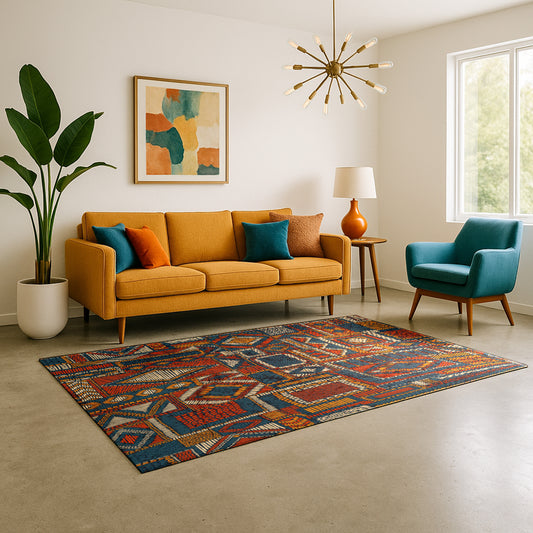
Swankymat is a 5x7 or 6x9 foot single-piece mat with 6mm of high-density closed-cell cushion. It is BPA-free, phthalate-free, flame-retardant-free, and exceeds U.S. and European safety standards. The inks are Greenguard Gold certified. The surface wipes clean and stays put on hardwood, tile, or laminate without a rug pad.
Those specifications were not designed for home PT specifically. They were designed for the kind of structured, low-impact daily movement that most adults need to keep doing as they age, which is the same thing PT prescribes after an injury. The overlap is the point.
Customers using Swankymat for home PT include people recovering from knee and hip surgery, postpartum bodies rebuilding pelvic floor and core strength, and adults managing chronic back issues with consistent mobility work. A pediatric physical therapist's review of Swankymat covers the clinical reasoning in more depth.
The One Thing Worth Doing Before You Buy
Ask your physical therapist what surface they use in the clinic and what they recommend for your specific exercises at home. The answer should be a single piece, large enough for the lateral movement your program involves, with enough cushion to make kneeling and supine work comfortable. If a mat meets that bar and is non-toxic, it will support the work the way the clinic surface does.
For the HSA and FSA pathway, see our guide to using HSA or FSA funds for a mat or the explainer on Letters of Medical Necessity.