

FSA-Eligible Wellness Purchases You Didn't Know Qualify
Most FSA holders know about the standard eligible list: prescriptions, copays, glasses, contacts, dental work, over-the-counter medications. What tends to be less well known is that a significant category of wellness purchases also qualifies, either directly or with straightforward documentation. Given the use-it-or-lose-it deadline on most FSA plans, the second category is worth understanding.
This post covers the wellness purchases that qualify for FSA reimbursement, what documentation each requires, and how to use the balance on purchases that produce ongoing value rather than year-end scramble items.
General information, not tax advice. Confirm eligibility with your plan administrator.
The Two Wellness Categories
Wellness purchases split into two eligibility categories under FSA rules.
Directly eligible. Purchases the IRS treats as qualified medical expenses without additional documentation. Sunscreen (SPF 15+), first-aid supplies, thermometers, pain relievers, menstrual care products, acne treatments, and blood pressure monitors all fall here. The FSA card works at checkout with no paperwork.
Eligible with Letter of Medical Necessity. Purchases that qualify when a licensed medical provider documents them as part of a treatment plan for a specific condition. This category is broader than most FSA holders realize.
What Qualifies With an LMN
Purchases that most commonly qualify with a Letter of Medical Necessity:
- Massage therapy sessions
- Chiropractic care
- Acupuncture
- Gym memberships tied to a prescribed program
- Home fitness equipment for prescribed rehabilitation
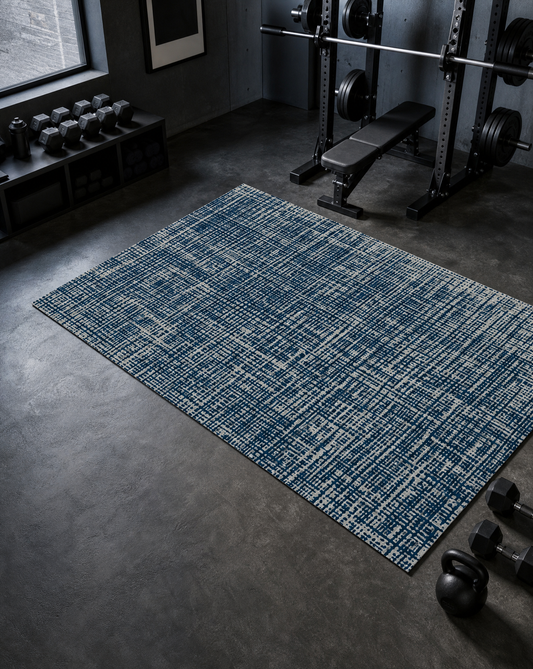
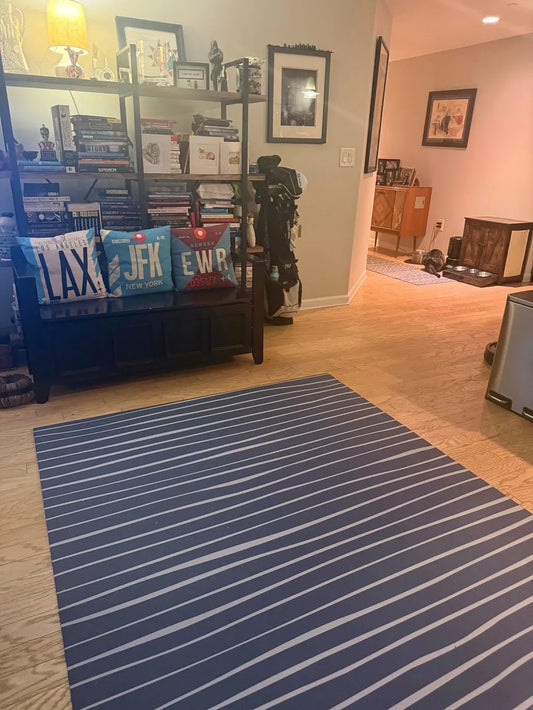
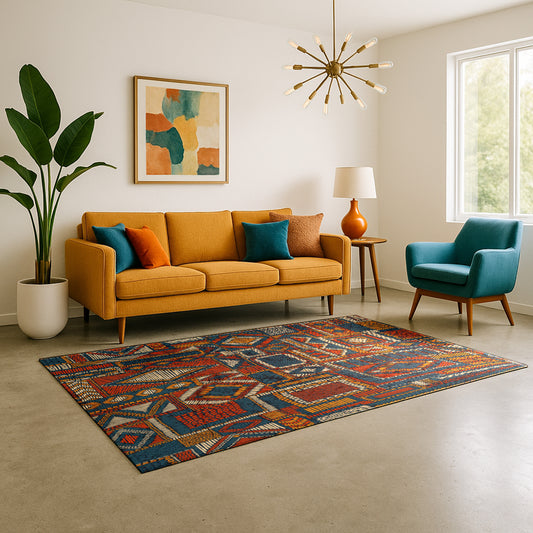
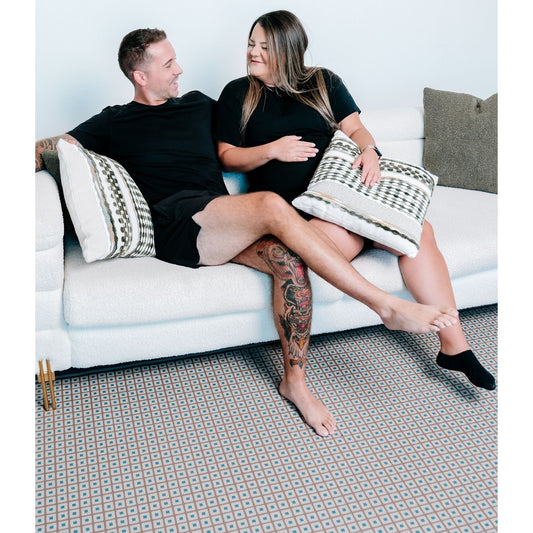
- Yoga mats and exercise mats for postpartum recovery or physical therapy
- Air purifiers for asthma or allergies
- Specialty mattresses for chronic back conditions
- Ergonomic office equipment for musculoskeletal conditions
- Some meditation and therapy apps
- Weight management programs prescribed for obesity
The common thread across the list is a documented medical condition and a provider recommendation. General wellness intent alone does not qualify.
The Categories Worth Prioritizing at Year End
If you have a remaining FSA balance approaching a deadline, three categories tend to produce the highest long-term value.
Ergonomic and physical support equipment (mats, cushions, standing desks, chair support) produces years of ongoing use for a single purchase.
Higher-cost preventive care (comprehensive physicals, dental deep cleanings, vision assessments) is easier to justify with a substantial balance than in a regular month.
OTC and personal-care restocks (sunscreen, first aid, contact lens supplies) rarely go unused and reset the household stock for the year.
What Tends to Be Wasted at Year End
Purchases that get made in December because the balance was going to expire and often do not get used:
Novelty wellness devices that require setup you never do.
Duplicate purchases of items already in the house.
Cosmetic-adjacent categories that are not fully covered (some plans reject even eligible-looking cosmetic products).
The alternative is to plan an intentional purchase before December on something that produces ongoing value.
The Workflow for LMN-Required Purchases
The Letter of Medical Necessity process has become significantly simpler in the last two years. Traditional path: obtain an LMN from your provider independently, make the purchase, submit for reimbursement. Modern path: retailers that partner with LMN providers integrate the intake into checkout.
For Swankymat purchases specifically, the process runs through TrueMed. A short intake at checkout routes health information to a licensed provider who reviews it and issues the letter if appropriate. The letter attaches to the order automatically. For the full workflow, the post on how to use HSA or FSA to buy a mat covers each step.
Average Savings
FSA holders using pre-tax dollars for eligible purchases save an average of 30% on the qualifying amount. The mechanism: pre-tax dollars avoid federal income tax, FICA, and in most states state income tax. The savings compound across all FSA-eligible categories used through the year.
What to Do With a Remaining Balance
If you have a remaining FSA balance and a medical reason for daily home movement (postpartum recovery, prescribed PT, chronic mobility maintenance), a quality mat is one of the more considered LMN-eligible purchases. It is a daily-use object with a functional purpose the plan was designed to fund. Browse the HSA and FSA eligible mats collection to see the options.
For a broader look at year-end FSA planning specifically, the post on how to use FSA funds before they expire covers the timing considerations.