How to Use Your HSA or FSA Account to Buy a Better Mat
Most people think of their HSA or FSA funds as being reserved for prescriptions, copays, and medical appointments. What far fewer people realize is that a non-toxic exercise mat, yoga mat, or play mat can qualify as an eligible expense under both account types, provided you understand the criteria and know how to navigate the process. If you have been putting off buying a better mat because of the cost, your health savings account may already have the answer.
This guide covers what makes a mat HSA or FSA eligible, which types of mats qualify, how to actually use your funds, and what to look for in a mat worth spending that money on.
What Makes a Mat HSA or FSA Eligible
HSA and FSA accounts are governed by IRS guidelines that define what counts as a qualified medical expense. The general rule is that a product or service must be used primarily to treat, prevent, or manage a diagnosed medical condition to qualify. That definition is broader than most people assume.
Exercise mats, yoga mats, and play mats can qualify under several conditions. A physical therapist, physician, or other licensed medical professional can recommend floor-based exercise or movement as part of a treatment plan for conditions including back pain, postpartum recovery, joint issues, musculoskeletal injuries, and developmental needs in infants and toddlers. When that recommendation is documented, the mat used to carry it out becomes a qualifying expense.
The clearest path to eligibility is a letter of medical necessity. This is a written statement from your healthcare provider confirming that the product is medically necessary for your specific condition or treatment. Not every HSA or FSA administrator requires one for fitness equipment purchases, but having one on file protects you in the event of an audit and strengthens your claim significantly. Your physician or physical therapist can provide this letter, and many do so routinely for patients who ask.
Exercise Mats, Yoga Mats, and Play Mats: What Qualifies and Why
The type of mat you are purchasing matters less than the documented reason for purchasing it. Here is how eligibility typically breaks down across the three categories most relevant to Swankymat customers.
Exercise mats qualify most straightforwardly when recommended as part of a physical therapy or rehabilitation program. Floor-based strength work, stretching, and low-impact movement are commonly prescribed for back pain, injury recovery, and postpartum rehabilitation. A mat used daily for that purpose is a legitimate medical expense under both HSA and FSA guidelines when supported by documentation.
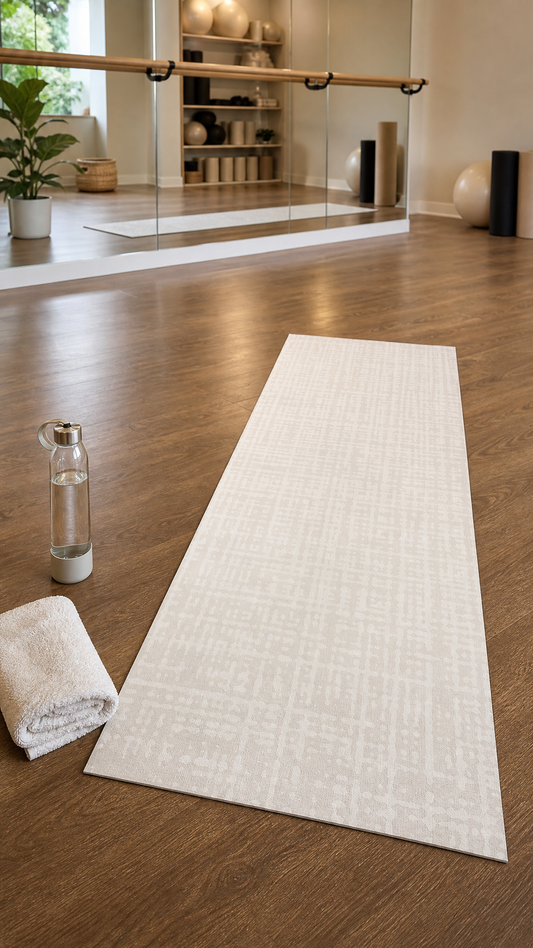
Yoga mats follow the same logic. If a licensed provider has recommended yoga, stretching, or mindful movement as part of managing a specific condition, the mat used for that practice can qualify. This is particularly relevant for patients managing anxiety, chronic pain, or mobility issues through movement-based therapy. As this breakdown of whether you can use HSA or FSA funds to buy a yoga or exercise mat explains, the key is always the documented medical purpose rather than the product category itself.
Play mats occupy a slightly different space. For infants and toddlers, floor play is not just recreational — it is developmentally essential. Tummy time, crawling, and floor-based movement support neurological development, motor skill acquisition, and physical strength. Pediatric physical therapists and developmental specialists routinely recommend dedicated floor surfaces as part of early intervention programs. When that recommendation is in writing, a non-toxic play mat used daily for a child's developmental program can qualify as a medical expense. For parents who want to understand more about what safety standards to look for in that context, this guide to whether baby play mats are safe for daily use covers the material questions worth asking before you buy.
How to Actually Use Your HSA or FSA Funds to Buy a Mat
The process is more straightforward than most people expect. Here is how it works in practice.
First, confirm your account type and administrator. HSA accounts are owned by you and roll over year to year, giving you flexibility on timing. FSA accounts are employer-administered and typically operate on a use-it-or-lose-it basis within the plan year, which makes end-of-year purchases particularly strategic. Knowing which account you have and when your funds expire shapes when and how you should act.
Second, check whether your administrator requires a letter of medical necessity for fitness equipment. Many do not for straightforward purchases, but some flag exercise-related items for additional documentation. A quick call or login to your account portal will confirm the requirement. If a letter is needed, contact your physician or physical therapist and request one before completing your purchase.
Third, make your purchase using your HSA or FSA debit card directly at checkout. Most administrators issue a dedicated card that works like a standard payment card. If you do not have a card or prefer to pay out of pocket and reimburse yourself, keep your receipt and submit it through your administrator's reimbursement portal with any supporting documentation attached.
Fourth, save your documentation. Keep the receipt, any letter of medical necessity, and a record of the medical condition the purchase supports. HSA and FSA administrators can request documentation for any expense, and having everything organized protects you if questions arise later.
What to Look for in a Mat Worth Spending HSA Funds On
If you are going to use dedicated health funds on a mat, the mat should be worth it. That means prioritizing material safety above everything else.
A mat used daily for rehabilitation, postpartum recovery, infant floor play, or therapeutic movement should be explicitly free from phthalates, BPA, and flame retardants. These are the three chemical categories that raise the most legitimate safety concerns with prolonged contact, particularly for babies and young children spending extended time on a floor surface. As this overview of what fitness equipment qualifies for HSA funds notes, the investment in a quality mat is most defensible when the mat itself meets a meaningful safety standard.
Beyond material safety, size matters more than most buyers anticipate. A mat used for physical therapy exercises, postpartum movement, or infant floor play needs to be large enough to accommodate the full range of prescribed movement without the user constantly adjusting position. A single-piece mat in a 5x7 or 6x9 size handles all of these use cases without the gaps, edges, and cleaning challenges that come with interlocking tile systems.
Wipe-clean construction is the third criterion worth prioritizing. A mat used daily for therapeutic or developmental purposes needs to be cleaned regularly and thoroughly. A waterproof, wipe-clean surface makes that practical rather than aspirational.
Getting a Letter of Medical Necessity: When You Need One and How to Get It
A letter of medical necessity is a short document written by a licensed healthcare provider that confirms a product is medically necessary for a specific diagnosed condition. It typically includes your name, the condition being treated, the recommended product or product category, and the provider's signature and credentials.
You may need one if your HSA or FSA administrator flags fitness or exercise equipment for additional review. You may also want one proactively if you are making a larger purchase and want documentation on file before submitting your claim.
Getting one is simpler than it sounds. At your next appointment with a physician, physical therapist, chiropractor, or pediatric specialist, explain that you are purchasing a mat for the therapeutic or developmental purpose they have recommended and ask whether they would provide a letter of medical necessity for your HSA or FSA records. Most providers are familiar with the request and can generate the letter within a few days. Some practices have templates they use routinely.
For a detailed walkthrough of what the letter should contain and how to submit it, this guide to letters of medical necessity for HSA and FSA purchases covers the specifics worth knowing before you contact your provider.
A Mat That Meets the Standard
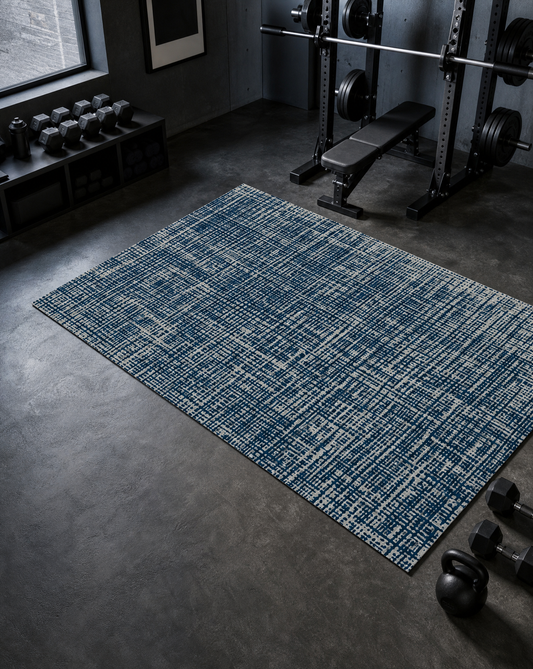
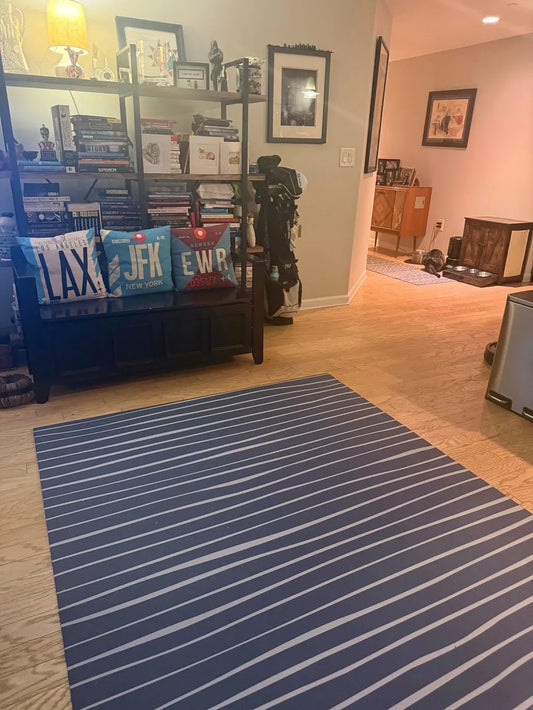
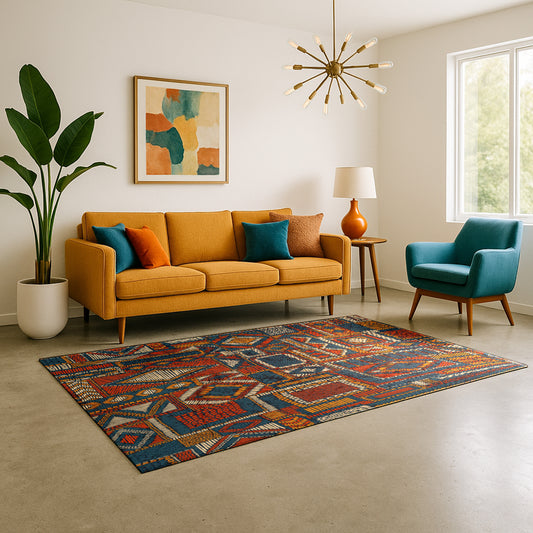
If you are ready to put your HSA or FSA funds toward a mat that genuinely justifies the investment, Swankymat's extra-large eco-PVC mats are worth considering. Free from phthalates, BPA, and flame retardants, available in 5x7 and 6x9 sizes, and designed to function as a permanent floor surface rather than something you roll up and put away, they meet the criteria that make a mat worth spending health funds on. You can explore the full range here.