
How to Use Your FSA Funds Before They Expire (Without Wasting Them)
Flexible Spending Accounts (FSAs) come with one rule that catches a lot of people off guard: most plans operate on a "use it or lose it" basis. If your remaining balance isn't spent by the deadline, it goes back to your employer. Every year, hundreds of millions of dollars sit unused in FSAs at expiration. Some of it is yours.
This is a practical guide to spending what's left in your FSA before the deadline — including the categories most people don't realize they qualify for.
This guide is general information, not tax advice. Always confirm details with your FSA administrator and licensed provider.
The deadline you actually need to know
Most FSAs follow a calendar-year structure, with funds expiring December 31. But not all of them do, and the IRS allows employers to choose one of two flexibility options that change the math:
- Grace period (up to 2.5 months). You get until roughly March 15 of the following year to spend the prior year's balance.
- Carryover (up to $660 for 2025 plans). A capped portion of unspent funds rolls forward into the next plan year.
Employers can offer one of these flexibility options or neither — but not both. The first thing to do is open your FSA portal or call HR to confirm which rule applies to your specific plan. The difference between a hard December 31 deadline and a mid-March grace period changes the urgency considerably.
What FSA funds actually cover
The standard FSA-eligible list — prescriptions, copays, glasses, contact lenses, dental work, OTC medications — is the part most people know. The bigger opportunity is the categories that qualify but aren't top of mind:
- Sunscreen (SPF 15+). Eligible without a prescription. Buy a year's supply.
- First-aid kits, thermometers, bandages, pain relievers. Restock the medicine cabinet.
- Menstrual care products. Tampons, pads, cups, and liners are FSA-eligible.
- Acne treatments. Differin, Cerave salicylic products, and similar.
- Postpartum recovery items. Perineal sprays, breast pumps, lactation supplies, postpartum support garments.
- Sleep aids. OTC melatonin, sleep masks designed as medical devices, white noise machines marketed for sleep.
- Skin care with medical purpose. Many prescription skincare products and some OTC eczema/psoriasis treatments.
- Mental health support. Therapy copays, telehealth, certain meditation or therapy apps with provider documentation.
- Fitness equipment with a Letter of Medical Necessity. Including yoga mats, exercise mats, and similar surfaces when prescribed as part of a treatment plan.
That last category is the one that catches most people. It's where the larger purchases live.
The LMN unlock
A Letter of Medical Necessity (LMN) is a short document signed by a licensed provider stating that a product or service is part of treating, mitigating, or preventing a specific medical condition. With one on file, items that would otherwise count as "general wellness" become FSA-eligible.
The categories where an LMN most commonly unlocks FSA eligibility:
- Massage therapy and chiropractic care
- Gym memberships (when tied to a prescribed program)
- Specialty mattresses for back conditions
- Air purifiers for asthma or allergies
- Stationary bikes, ellipticals, or other home fitness equipment
- Yoga mats and exercise mats for postpartum recovery, physical therapy, or chronic musculoskeletal conditions
More on how an LMN works and what it needs to include.
A clean year-end strategy
If you're staring at a remaining FSA balance and the deadline is approaching, here's the order that gets the most value out of what's left:
- Schedule the appointments first. Eye exam, dental cleaning, annual physical, any specialist visit you've been putting off. These usually require lead time.
- Restock the recurring stuff. Sunscreen, OTC medicine, first-aid, menstrual products, contact lens supplies. None of this expires fast, all of it gets used.
- Handle the bigger purchases. Glasses or contacts you've been delaying, prescription dental work, larger equipment that requires an LMN.
- Use it on things that compound. Equipment for a prescribed home routine — a mat for PT or postpartum recovery, a stationary bike, an air purifier — returns value for years past the year you bought it in.
Why a mat is one of the better year-end FSA buys
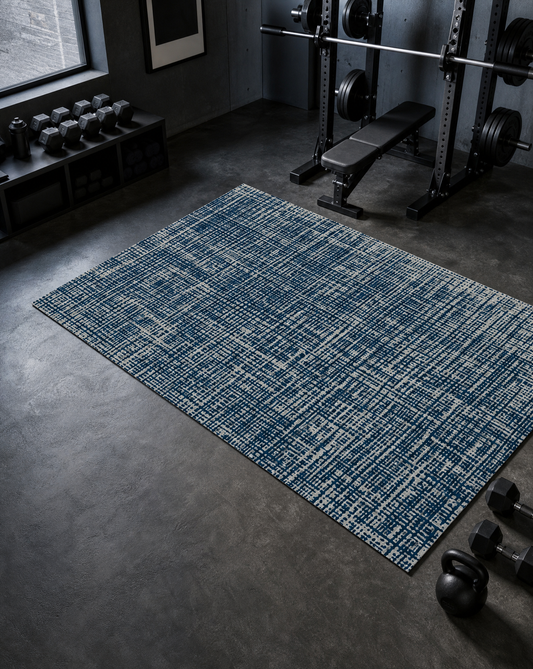
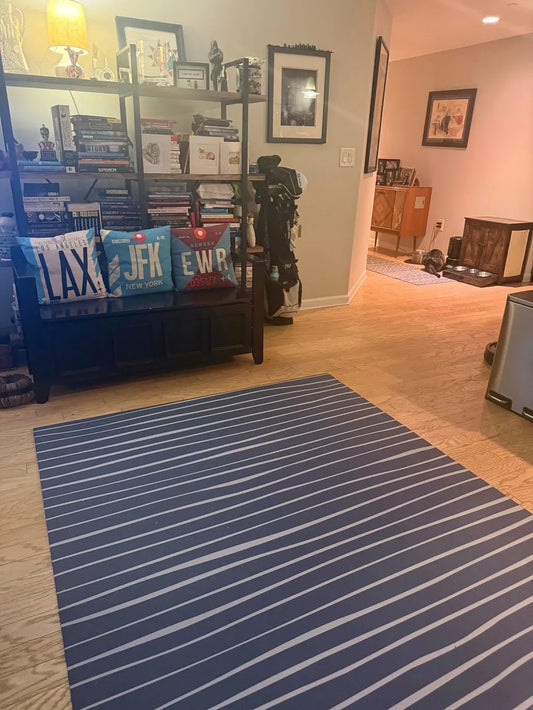
If you have a prescribed home exercise program of any kind — postpartum, PT, chronic back or hip work, prenatal yoga — the surface that program runs on qualifies for FSA reimbursement with an LMN. And unlike most FSA-eligible purchases, a mat doesn't expire, doesn't get used up, and keeps returning value year after year.
The criteria that matter for a daily-use medical movement surface:
- At least 5x7 feet of single-piece surface for lateral movement
- About 6mm of high-density cushioning
- Non-slip on hardwood, tile, and laminate
- Wipe-clean, waterproof finish
- Free from phthalates, BPA, and flame retardants
For qualifying customers, Swankymat partners with TrueMed to handle the LMN process through a licensed provider — so you don't have to coordinate the paperwork yourself before the deadline. The savings average about 30% off the purchase price, depending on your tax bracket.
FAQ: spending FSA before expiration
When does my FSA money expire?
For most FSA plans, funds expire on December 31 of the plan year. Some employers add a grace period that extends spending through approximately March 15 of the following year, while others offer a carryover that rolls up to $660 of unspent funds into the next plan year. Confirm your specific plan rules with HR or your FSA portal.
What happens to FSA money I don't use?
Unused FSA money goes back to your employer at the end of your plan year — there is no refund, no cash-out option, and no way to recover it. The only exceptions are if your employer offers a grace period (extra time to spend it) or a carryover (a capped amount that rolls forward into the next year).
Can I use FSA funds on a yoga or exercise mat?
Yes, you can use FSA funds on a yoga or exercise mat with a Letter of Medical Necessity. The mat qualifies when a licensed medical provider documents it as part of treating, mitigating, or preventing a specific medical condition — such as postpartum recovery, prescribed physical therapy, chronic back or hip issues, or prenatal mobility work. Full guide here.
What's the fastest way to spend a remaining FSA balance?
The fastest way to spend a remaining FSA balance is to use your FSA card directly at FSA-friendly retailers like the FSA Store, Amazon's FSA Eligible section, your pharmacy, or your eye doctor. For larger purchases that require a Letter of Medical Necessity — like fitness equipment for prescribed home programs — partners like TrueMed can streamline the documentation in a few days.
Can I buy something now and submit the receipt next year?
You can buy something now and submit the receipt next year only if the purchase happened during your current plan year (or your plan's grace period, if your employer offers one). The purchase date controls eligibility, not the submission date. Most FSA administrators give you until March 31 of the following year to submit receipts for the prior year's purchases.
Don't leave it on the table
FSA funds are pre-tax money you've already earned. If they expire unused, that's effectively a pay cut you've given yourself. Knowing your deadline and your eligible categories — especially the LMN-unlocked ones — turns the year-end scramble into a useful planning exercise.
If a mat is on your list, browse the HSA/FSA eligible Swankymat collection or start the TrueMed process here.