

Gentle At-Home Exercises for Staying Mobile as You Age

Mobility is quietly one of the most valuable things you can protect as you get older. It's what lets you get up from a chair easily, carry groceries, climb stairs, play with grandchildren, and stay independent in your own home. The reassuring truth is that mobility, strength, and balance respond to training at any age, and you don't need a gym or anything strenuous to maintain them. A few minutes of gentle, consistent movement at home goes a long way. Here's where to focus and how to do it safely.
A quick note before you start
This is general information, not medical advice, and everyone's situation is different. If you have a health condition, a recent injury or surgery, balance concerns, or you're new to exercise, talk with your doctor or a physical therapist before starting, and ask them to tailor things to you. A professional can also be a wonderful resource for learning these movements safely the first time. Nothing here is meant to replace that guidance, and there's no rush.
What to focus on
Four qualities matter most for staying mobile, and a good routine touches each: strength, to keep muscles capable of everyday tasks, balance, to move confidently and reduce the risk of falls, flexibility, to keep joints moving through their full range, and general mobility, the smooth, comfortable motion that makes daily life easier. You don't need to train them separately or intensely. Gentle movements often cover several at once.
A gentle at-home routine
Move slowly, breathe, and keep a sturdy chair or counter within reach for support. Stop anything that causes pain:
- Sit-to-stand. Rise from a chair and sit back down, using your hands only if you need them. This builds the leg strength behind nearly every daily movement.
- Supported mini-squats. Holding a counter, bend the knees a little and stand back up. Go only as low as is comfortable.
- Heel and toe raises. Holding support, rise onto your toes, then rock back onto your heels. Good for lower-leg strength and balance.
- Standing balance practice. With a chair right beside you, practice standing on one foot for a few seconds, then switch. Always have something to hold.
- Gentle stretches. Easy calf, hamstring, and chest stretches, plus shoulder rolls and ankle circles, to keep joints loose.
- Cat-cow or seated spinal movement. Slow, gentle spine mobility keeps the back comfortable and moving well.
How to progress safely
Start with what feels easy and build slowly over weeks, not days. Consistency matters far more than intensity here, so a few minutes most days beats an occasional long session. Use support whenever balance is involved, and never push into pain, only gentle effort. If a movement feels unsafe or unsteady, skip it or do a smaller version. Progress looks like adding a few repetitions, holding a balance a little longer, or moving a bit more smoothly, not pushing to exhaustion.
Why balance work deserves special attention
Of all of these, balance is worth prioritizing, because steadiness on your feet is closely tied to staying independent and avoiding falls. The good news is that balance improves with practice surprisingly quickly. The key is to train it safely, always within arm's reach of something solid to hold, so practicing is never a risk in itself. A few minutes of supported balance work woven into your day pays real dividends in confidence.
Getting up and down from the floor
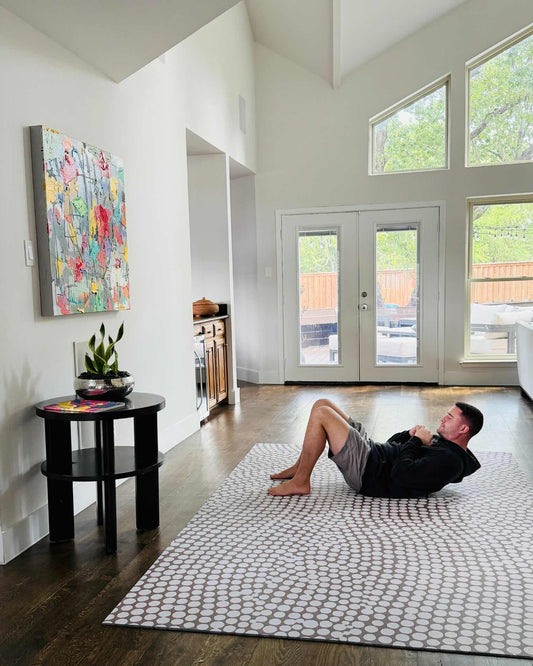
Some of the most valuable movements, gentle stretching, certain mobility work, and the simple skill of getting down to the floor and back up, happen at ground level. That skill matters more than people realize, since being able to get up from the floor confidently is itself a marker of independence. The catch is that a hard floor is uninviting and uncomfortable, and an unstable surface like a loose rug can be a hazard. A cushioned, stable, non-slip surface makes floor-based movement both more comfortable and safer to practice.
A comfortable, stable surface to move on
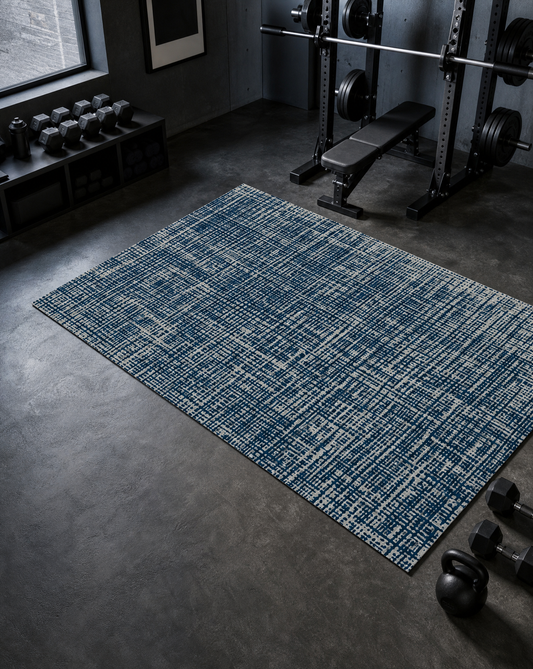
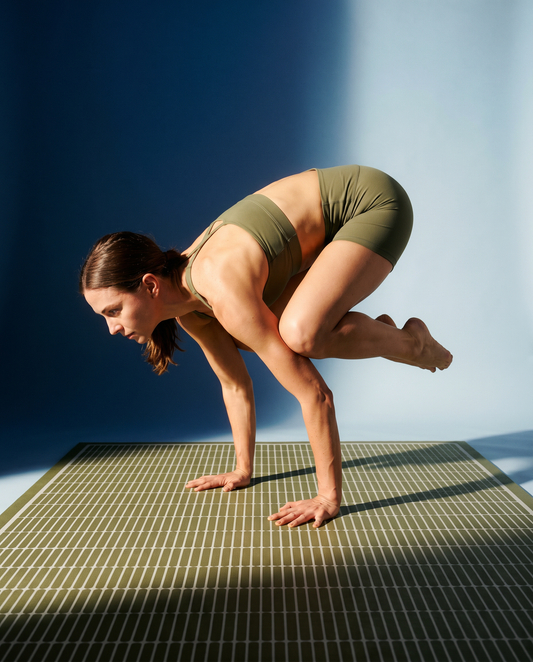
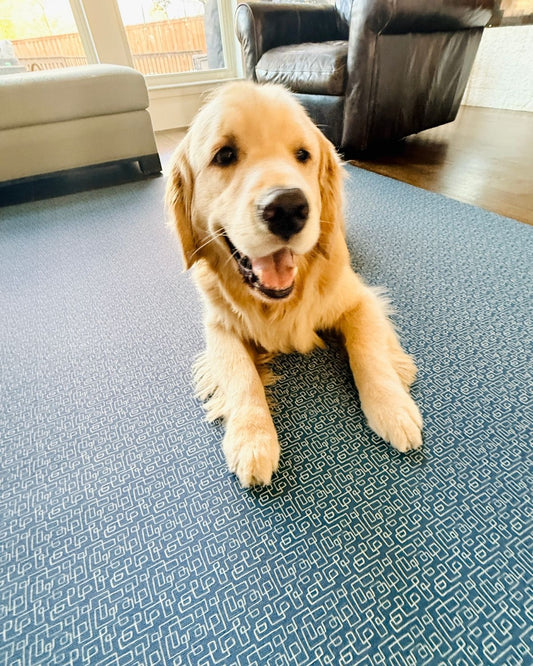
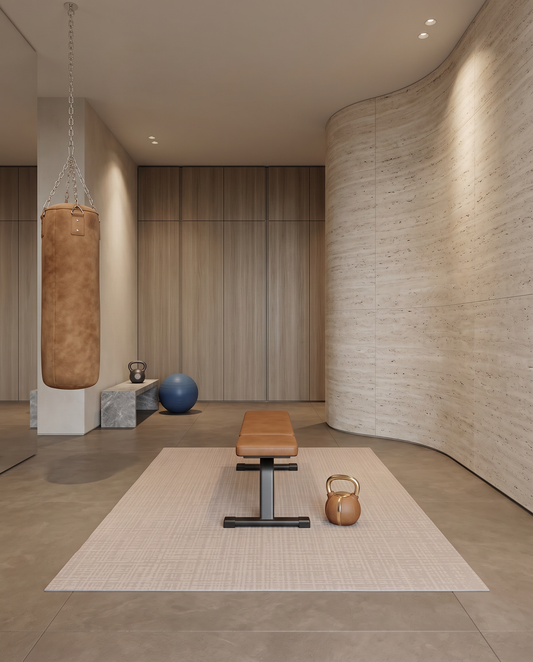
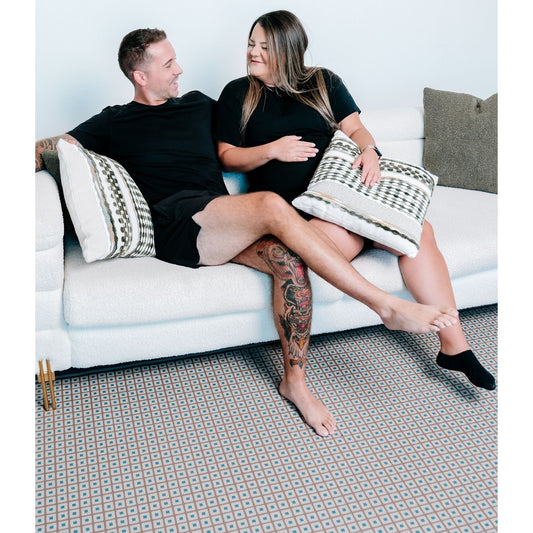
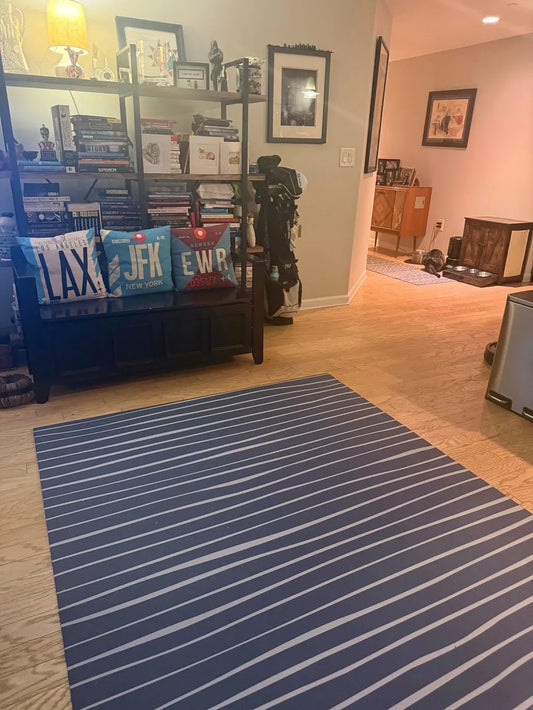
This is where a Swankymat can make gentle movement more inviting. Its 6mm cushion is comfortable for stretching and floor-based mobility work, easing the pressure on knees, hips, and the spine, while staying stable and grippy underfoot rather than sliding the way a loose rug can. It's large enough to move freely and to practice getting down and up with room to spare. It's made with non-toxic materials and Greenguard Gold certified inks, and it's waterproof and wipe-clean for easy upkeep. Because it comes in calm, modern designs, it looks like part of the room and stays out where it's a gentle reminder to move. And since it's HSA/FSA eligible, a surface that supports your mobility may qualify for tax-advantaged dollars. Staying mobile is built a few gentle minutes at a time, and a comfortable, steady place to do it makes those minutes easier to keep.