

How to Clean and Care for Your Play Mat: A Simple Guide
How to Clean and Care for Your Play Mat: A Simple Guide
One of the most compelling reasons to choose a wipe-clean play mat over a traditional rug or foam tile system is how straightforward the maintenance is supposed to be. In practice, though, a lot of people underutilize that advantage simply because nobody has told them the most effective way to clean their mat, how often to do it, and what to avoid so the surface stays in good condition long term.
A well-maintained play mat looks better, lasts longer, and continues to provide a genuinely clean surface for babies, workouts, and daily family life. A poorly maintained one — even a high-quality one — loses its appearance and hygiene faster than it should. This guide covers everything you need to know to get the most out of your mat from day one.
Daily Cleaning: What to Do After Every Use
The most important cleaning habit with a wipe-clean play mat is also the simplest: wipe it down at the end of each day. This does not need to be an involved process. A damp cloth or a baby-safe cleaning wipe takes less than a minute and prevents the accumulation of dust, skin cells, food residue, and other daily deposits that become harder to remove the longer they sit.
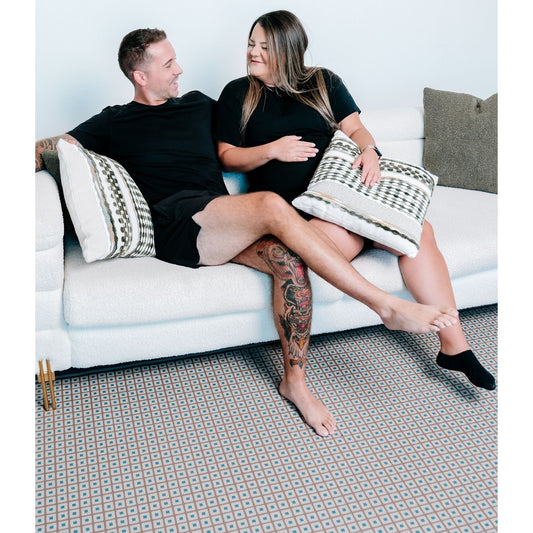
For households with babies or young children, a daily wipe-down is particularly important because the floor surface is where your child spends the most time. A mat that looks clean from a standing adult's perspective can carry residue that is more relevant at floor level where a baby's face, hands, and mouth make regular contact. A thirty-second daily wipe eliminates that concern without requiring any real effort or disruption to your routine.
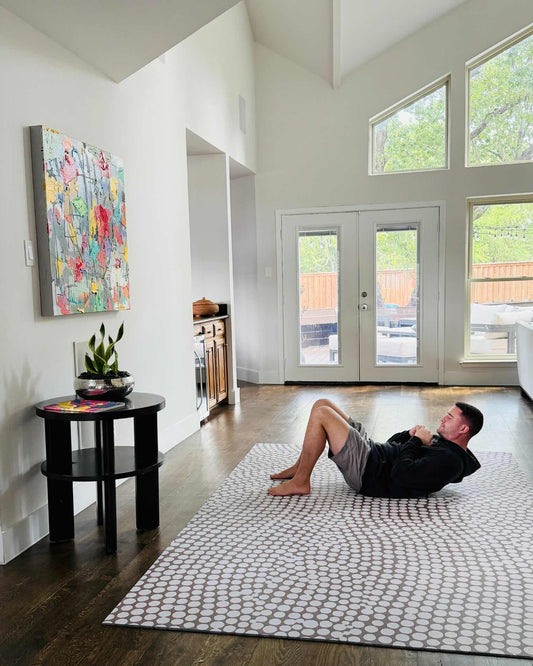
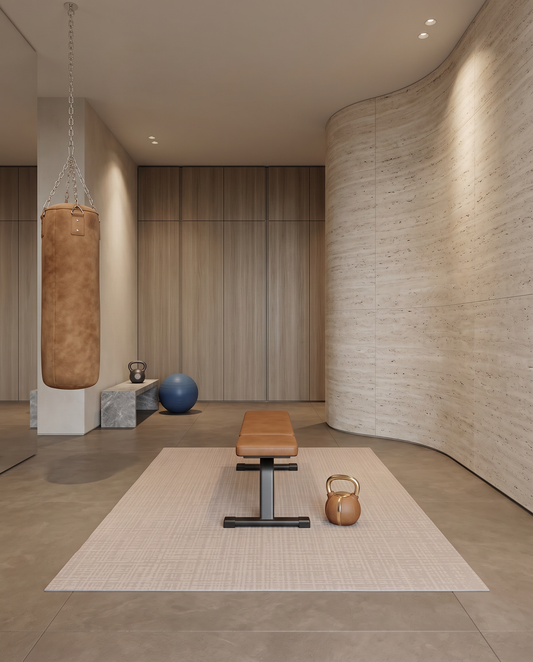
For mats used primarily for home fitness, a post-workout wipe is the equivalent habit. Sweat left to dry on a mat surface does not damage a quality wipe-clean mat, but it does accumulate over time and affect both the appearance and the grip of the surface. A quick wipe after each session keeps the surface performing the way it should and prevents the buildup that makes deeper cleaning more involved later.
The cleaning solution for daily maintenance does not need to be anything specialized. Warm water with a small amount of mild dish soap handles the vast majority of daily cleaning situations on a wipe-clean mat surface. Apply it with a soft cloth, wipe the surface in even strokes, and follow with a clean damp cloth to remove any soap residue. That is the entire daily routine.
Handling Spills and Messes Immediately
The waterproof surface of a quality play mat means that spills sit on top of the mat rather than absorbing into it, which gives you a meaningful window to clean them up before they become more difficult to deal with. The key is acting quickly rather than letting liquid spread or dry.
For most spills, blotting with a clean cloth or paper towel to remove the bulk of the liquid followed by a wipe with warm soapy water is all that is needed. Avoid rubbing a spill aggressively, particularly on lighter colored mat surfaces, as this can spread the residue across a wider area rather than lifting it.
For food messes, remove any solid material first before wiping with a damp cloth. Leaving food residue to dry on the surface creates more work and occasionally leaves marks that require more targeted cleaning to address fully.
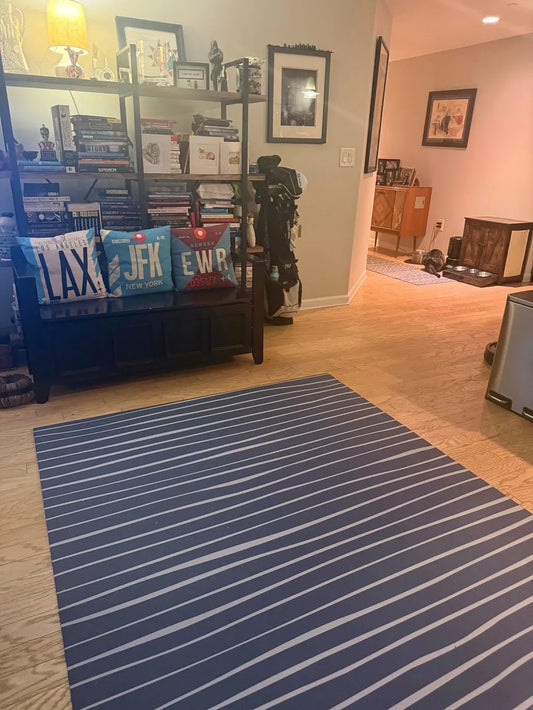
For pet accidents, act as quickly as possible. Remove any solid material, blot the liquid thoroughly, and clean the area with a mild enzymatic cleaner that is safe for the mat surface. A quality wipe-clean mat handles pet accidents without absorbing odor or bacteria into the material, which is one of its significant advantages over rugs and fabric-based floor coverings. For more on why this matters for pet-owning households, this guide to pet friendly rug alternatives covers the practical differences between surface types in homes with animals.
Deep Cleaning: How Often and How to Do It
Even with consistent daily maintenance, a play mat benefits from a more thorough clean on a regular basis. For mats in active household use with children or pets, a deep clean once a week is a reasonable cadence. For mats used primarily for adult fitness with lighter daily use, every two to four weeks is adequate.
A deep clean for a wipe-clean play mat is still significantly less involved than cleaning a rug or fabric floor covering. Fill a bucket with warm water and a mild cleaning solution — dish soap, a diluted all-purpose cleaner, or a baby-safe floor cleaner all work well. Using a soft mop, large sponge, or cleaning cloth, work across the entire mat surface in sections, applying the solution and wiping thoroughly. Follow with a clean water rinse pass to remove any cleaning product residue, and allow the mat to air dry completely before use.
For a deeper clean, some mat owners move their mat outside and use a garden hose to rinse the surface thoroughly before wiping down with a cleaning solution and rinsing again. This is particularly effective for mats that have seen heavy use and benefits from being done every few months as a reset alongside the regular weekly routine.
The key things to avoid during deep cleaning are abrasive scrubbing pads that can scratch or dull the mat surface, harsh chemical cleaners including bleach-based products that can affect the material over time, and excessive water left pooling on the surface for extended periods. None of these will necessarily damage a quality mat immediately, but avoiding them consistently extends the life and appearance of the surface significantly.
Caring for the Underside of Your Mat
The underside of a play mat gets less attention than the top surface but is worth including in your cleaning routine. The underside grip surface collects dust, hair, and debris from the floor beneath it, which over time can reduce the mat's ability to stay in place and can transfer back to your floor when the mat is moved.
Flip your mat over during your weekly deep clean and wipe the underside with the same warm soapy water solution you use on the top surface. Pay particular attention to the edges where debris tends to accumulate. Allow it to dry before flipping back.
Cleaning the floor beneath your mat at the same time is worth building into the routine. Even with a waterproof mat providing full coverage, dust and debris find their way to the edges and occasionally underneath. A quick vacuum or sweep of the floor area before replacing the mat keeps the space genuinely clean rather than just visibly clean from above.
Storage and Long-Term Care
For most households, a large play mat is intended to stay out permanently rather than being stored between uses. That permanent placement is actually better for the mat than repeated rolling and unrolling, which over time can stress the material at the fold or roll points and affect how flat the mat lies.
If you do need to store your mat temporarily — during a move, a home renovation, or a seasonal change in how you use your space — roll it rather than fold it. Rolling distributes the stress of storage more evenly across the material than folding, which creates sharp crease points that can become permanent marks in some mat materials. Store the rolled mat in a cool, dry location away from direct sunlight, which can affect the color and surface texture of some materials over extended exposure.
For mats used in rooms with significant direct sunlight, rotating the mat periodically so that different areas receive sun exposure rather than the same section consistently helps maintain even coloring and prevents localized fading over time.
A quality mat cared for consistently will maintain its appearance and performance for years under normal household use. The investment in a non-toxic, well-constructed mat like the options outlined in this guide to choosing a play mat for your home pays off most clearly when the mat is maintained well enough to stay in use long term rather than needing replacement within a year or two.
Cleaning Products to Use and Avoid
Safe to use on a wipe-clean play mat:
- Warm water with mild dish soap
- Diluted baby-safe all-purpose cleaner
- Baby wipes for quick daily maintenance
Avoid using on a wipe-clean play mat:
- Bleach or bleach-based cleaning products
- Abrasive scrubbing pads or steel wool
- Solvent-based cleaners
- Steam cleaners on high heat settings
- Strongly scented chemical sprays with unknown compositions
For households prioritizing non-toxic cleaning products alongside a non-toxic mat surface, mild dish soap and warm water handles the vast majority of cleaning situations without introducing chemical residue to a surface your baby or child is in regular contact with. As this overview of what makes a baby play mat safe for daily use covers, the cleaning products you use on a mat surface are worth thinking about with the same care as the materials the mat is made from.
A Mat Worth Taking Care Of
Consistent care starts with owning a mat worth caring for. Swankymat's extra-large mats are designed for exactly the kind of daily use this guide describes — waterproof, wipe-clean, free from phthalates, BPA, and flame retardants, and built to maintain their appearance and performance through years of regular household use. You can explore the full collection here.