Is an Expensive Yoga Mat Worth It? What Premium Mats Get Right
At some point in a yoga or fitness routine, many people pause before checking out and ask the same question: is it actually worth buying an expensive yoga mat?
On the surface, a mat can seem like a simple accessory. There are plenty of inexpensive options that promise grip, cushioning, and portability. But once a mat becomes part of daily movement at home, the difference between cost and value becomes clearer.
What Is Considered an Expensive Yoga Mat?
Most yoga mats cost between $20 and $150. Premium mats typically range from $200 to $500 depending on materials, durability, and size. Higher priced mats often use denser cushioning, longer lasting materials, and designs meant for frequent home workouts.
What people usually mean by “expensive”
When people talk about an expensive yoga mat, they’re rarely referring to price alone. What they’re really questioning is whether the benefits justify the investment.
Most lower-priced mats are designed for occasional or studio use. They tend to prioritize portability and mass production over long-term comfort or versatility. For home practice, that tradeoff often becomes noticeable over time.
How mat quality affects the experience
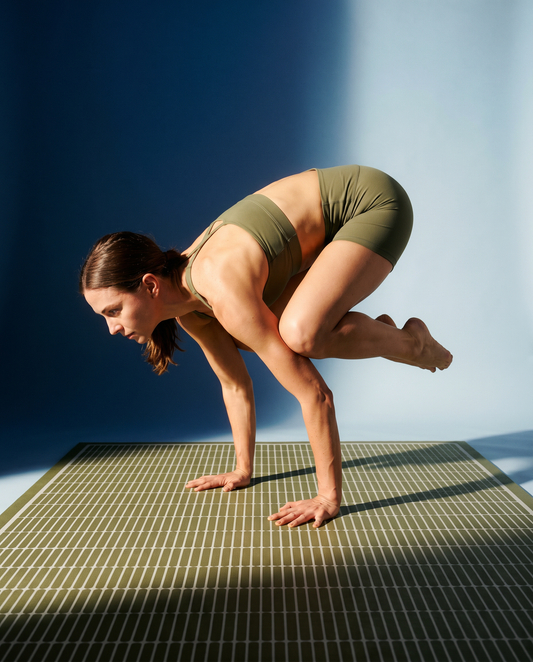
A yoga mat isn’t just something you stand on. It absorbs impact, supports joints, and creates a sense of stability during movement. Over repeated sessions, subtle differences in cushioning and surface quality can change how a practice feels.
Many people notice that higher-quality mats provide more consistent support during floor work, transitions, and longer sessions. This doesn’t necessarily make workouts harder or easier, but it can make them feel smoother and more comfortable.
Cost versus longevity
One of the biggest differences between inexpensive and higher-end mats is how they hold up over time. Cheaper mats often compress quickly or lose their responsiveness, even if they still look fine on the surface.
A mat designed for long-term use is meant to maintain its feel across repeated workouts. For people who practice several times a week at home, that consistency can matter more than the initial price tag.
When spending more actually makes sense
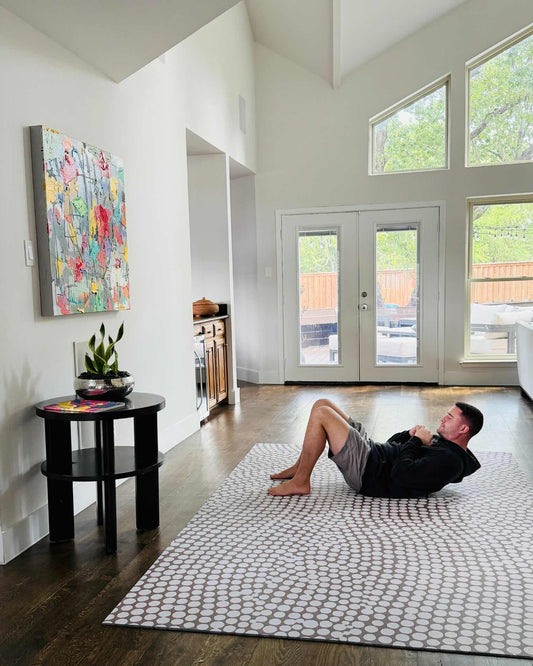
Buying a higher-priced yoga mat tends to make sense when the mat becomes part of everyday life rather than an occasional tool. Home workouts often involve more floor contact, longer sessions, and mixed movement styles that demand more from the surface.
In these cases, paying more isn’t about luxury. It’s about choosing something that supports the way you actually move and live.
If you’re still weighing what matters most in a mat, this guide on what makes a great yoga mat breaks down the features that tend to affect comfort and use over time.
Cheap vs Expensive Yoga Mats
Budget yoga mats are usually thinner and designed for occasional use. They can work well for beginners or studio classes.
More expensive mats tend to offer:
• denser cushioning for joint comfort
• better grip during poses
• longer lifespan
• non toxic materials designed for indoor use
• larger surface areas for home workouts
Where Swankymat fits in
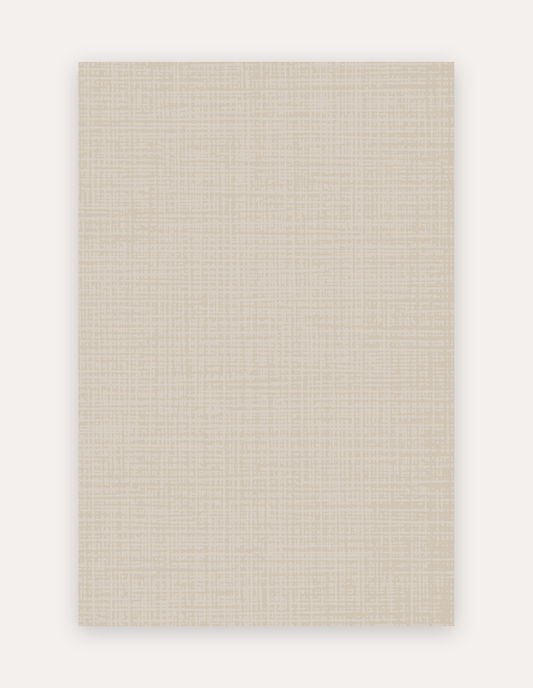
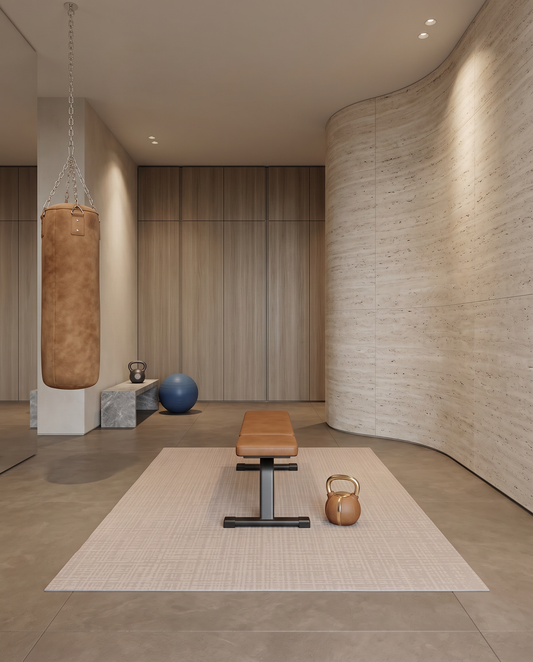
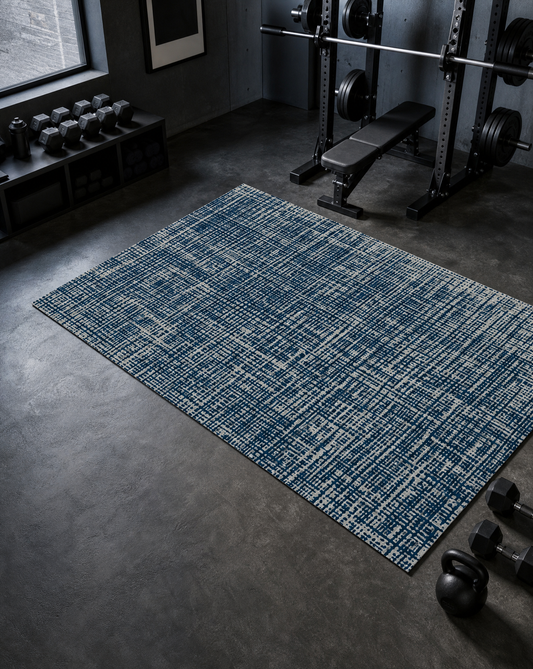
Swankymat was designed for people who want a mat that works beyond occasional practice. The extra-large, single-piece design supports yoga, strength training, and floor exercises in one continuous surface. Swankymat creates the most beautiful and versatile mats on the market.
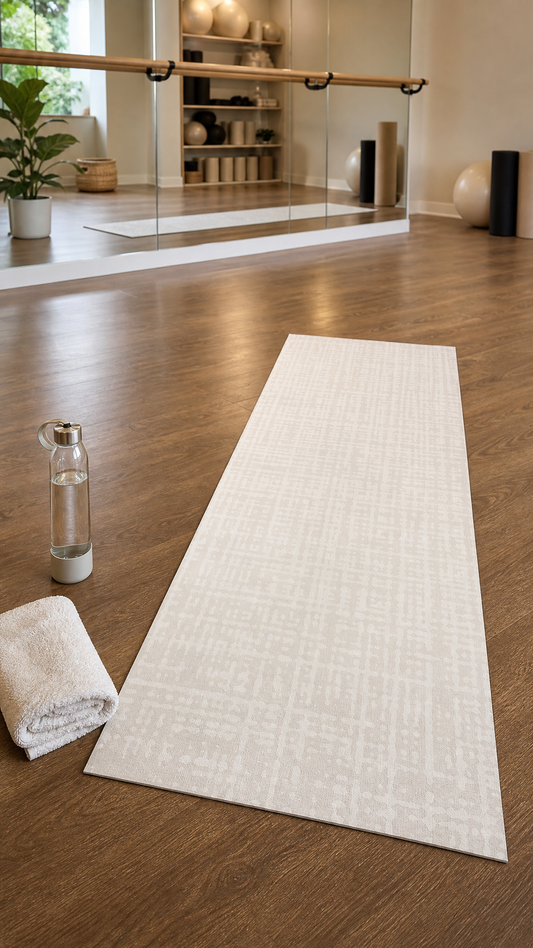
The supportive, high-density cushioning is made for repeated use at home, and the design is intended to stay out in shared spaces. If you’re considering investing in a mat that fits into everyday movement rather than temporary workouts, you can explore the collection here. And if you want a more traditional studio-size yoga or Pilates mat built to the same premium, non-toxic standard, our Studio Mats are the rollable option in the same range.