
What Is a Letter of Medical Necessity? A Simple Guide for HSA & FSA Purchases
What Is a Letter of Medical Necessity? A Simple Guide for HSA & FSA Purchases
If you’ve ever tried to use your HSA or FSA for a wellness product and been told you need a “Letter of Medical Necessity,” you’re not alone. The phrase sounds complicated, but it’s actually straightforward once you understand how it works.
As more families use pre-tax healthcare dollars for fitness, recovery, and pain prevention, understanding this document can help you make smarter purchasing decisions.
What Is a Letter of Medical Necessity?
A Letter of Medical Necessity, often called an LMN, is a document written by a licensed healthcare provider. It explains that a specific product or service is medically necessary to treat or manage a diagnosed condition.
Insurance providers and HSA/FSA administrators use this letter to determine whether certain items qualify for reimbursement under IRS guidelines.
In simple terms, it’s a way to connect a product to a legitimate medical purpose.
When Is a Letter of Medical Necessity Required?
Some healthcare expenses are automatically eligible under HSA and FSA rules. Others fall into a gray area and require documentation.
A Letter of Medical Necessity is often required when a product:
• Supports treatment of a specific condition like chronic back pain, joint issues, or postural problems
• Aids recovery from injury
• Is used as part of a physical therapy or rehabilitation plan
• Improves a diagnosed medical condition rather than general wellness
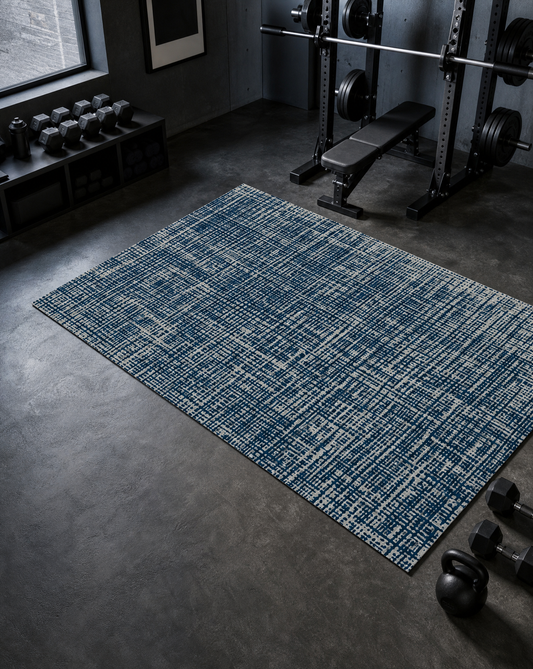
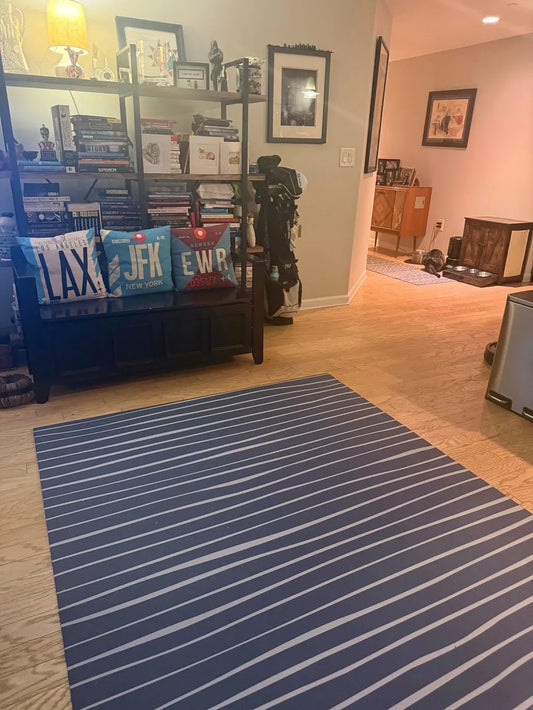
For example, if a doctor recommends supportive flooring to reduce joint strain or alleviate back pain, that may qualify with proper documentation.
It’s important to note that requirements can vary slightly depending on your HSA or FSA administrator.
What Does a Letter of Medical Necessity Include?
A typical LMN contains:
• The patient’s diagnosed condition
• The medical provider’s recommendation
• An explanation of how the product treats or manages the condition
• The duration of use
• The provider’s signature and credentials
Once submitted, your administrator reviews it to determine eligibility for reimbursement.
How This Applies to Exercise and Recovery Products
Movement, physical therapy, and recovery tools are increasingly recognized as important components of preventative health. Supportive surfaces that reduce joint strain or provide cushioning during rehabilitation may qualify when tied to a specific medical need.
This is particularly relevant for individuals managing:
• Lower back pain
• Pelvic floor recovery postpartum
• Knee or hip issues
• Chronic joint discomfort
• Rehabilitation following injury
When prescribed as part of a treatment plan, products that support safe movement may be eligible with proper documentation.
If you’re exploring HSA/FSA-eligible options for supportive exercise and floor products, you can learn more about how our program works here.
A Practical Way to Use Pre-Tax Dollars for Movement
Healthcare is evolving. For many families, preventative wellness and daily movement are part of long-term health management.
A Letter of Medical Necessity simply bridges the gap between a product and a medical need. If your provider recommends supportive flooring for pain relief or rehabilitation, an LMN may allow you to use HSA or FSA funds toward that purchase.
As always, consult your healthcare provider and HSA/FSA administrator for guidance specific to your situation.