

Is a Non-Toxic Exercise Mat Worth It? What Most People Don’t Realize
Why people are rethinking their mats
For a long time, exercise mats were barely part of the conversation. You bought one, used it when you needed it, and rolled it away when you were done. It served a purpose, but it was never something you thought much about.
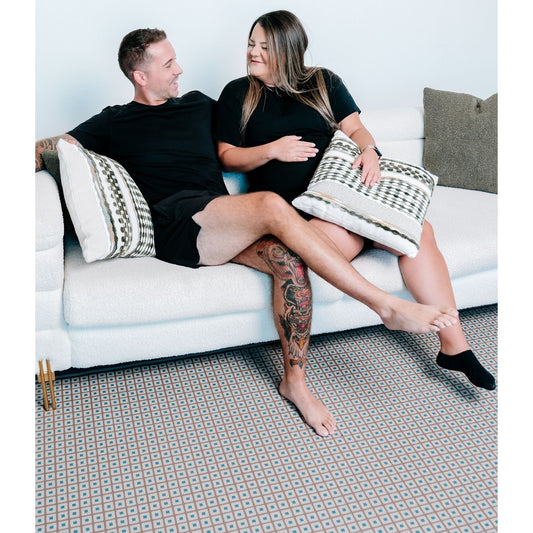
As more people build routines at home, the line between fitness, family life, and everyday living has blurred. The same space might be used for a quick workout in the morning, playtime in the afternoon, and winding down in the evening. And suddenly, the things in that space matter more.
What non-toxic really means in real life
The phrase itself can feel vague, especially since it shows up everywhere. In the simplest terms, it refers to materials that avoid certain harmful chemicals like phthalates, BPA, and some flame retardants that are commonly used in lower-cost mats. When a mat becomes part of your daily environment, or a surface your child is playing on, those details start to carry more weight.
The part most people underestimate: size
Traditional yoga mats were designed to be portable. Easy to carry, easy to store, easy to take to a studio. But that same design can feel limiting at home, where you are not confined to a single type of movement. You step off the mat without meaning to. You adjust your position mid-workout. You avoid certain exercises because they simply do not fit.
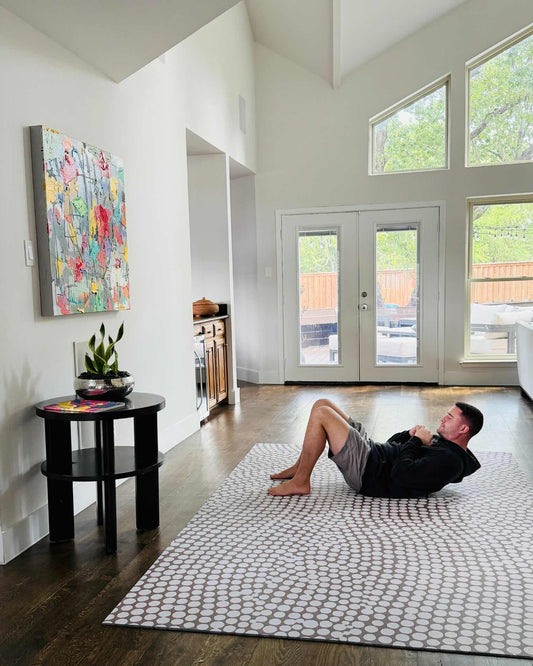
A larger surface removes that entirely. It allows you to move naturally, without constantly thinking about where you are on the mat. And if that same space is shared with a baby, a toddler, or just everyday life, the difference becomes even more noticeable.
If you are trying to figure out what size actually makes sense for your space, this article walks through it clearly: https://www.swankymat.com/blogs/blog/what-size-exercise-mat-do-i-need
When design starts to matter more than expected
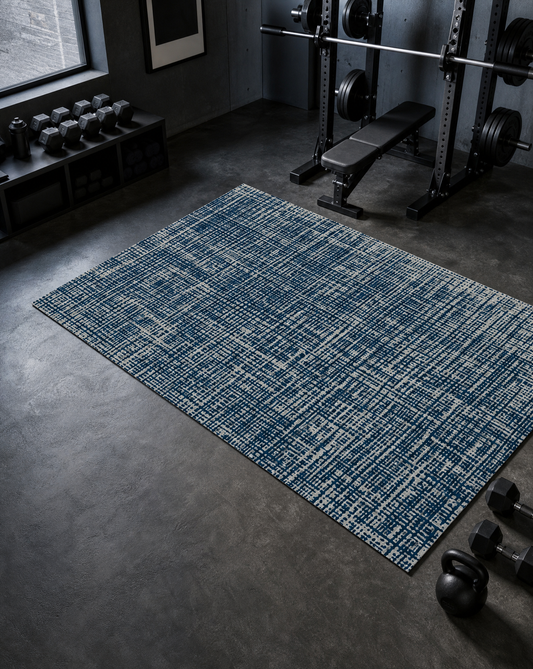
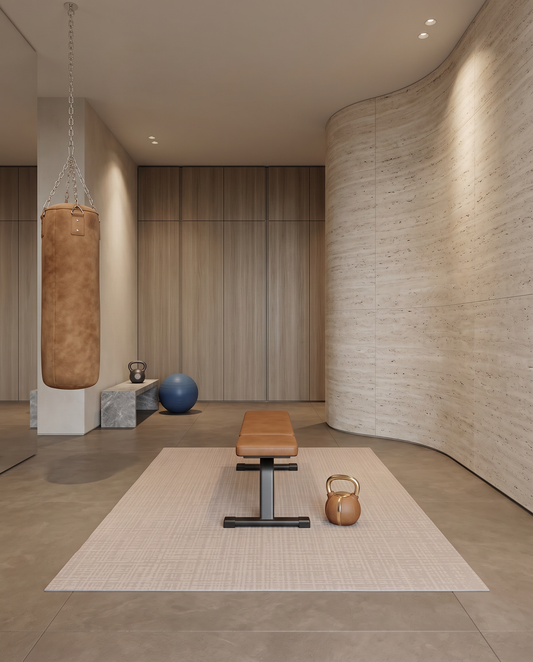
Most mats are designed to be hidden. They are often unsophisticated, overly sporty, or clearly temporary. Something you pull out when needed and put away as soon as you are done. When a mat lives in your home full time, especially in a main living area, that approach stops working.
This is where design shifts from being a nice-to-have to something more functional. When a mat looks like it belongs in your space, you stop thinking about storing it. It stays out. It becomes usable at any moment. That often leads to more consistent movement, simply because there is no extra step between intention and action. For many people, this is also where the idea of a mat as a rug alternative starts to make sense.
Living with it every day
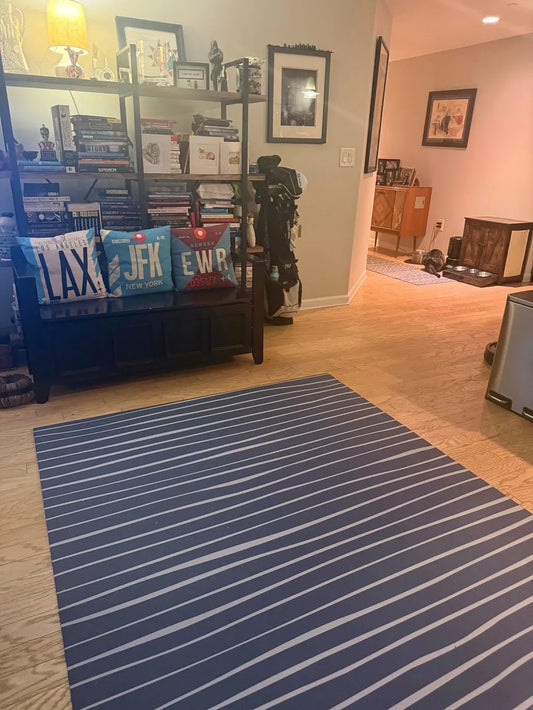
In a home, it is rarely used in isolation. It is stepped on, cleaned, moved, and used again. Kids might play on it. Pets might wander across it. It becomes part of the rhythm of the day. Lower-quality mats tend to show their limits quickly in that environment. They can stretch, peel, or hold onto moisture in ways that make them harder to maintain. Foam tiles can separate and collect debris, especially in high-use areas.
A surface that is easy to wipe clean, holds its structure, and continues to feel supportive over time ends up being far more practical than something that only works in ideal conditions.
One surface, not three
A yoga mat for workouts. A foam mat for play. A rug for the room. Each one serving a purpose, but none of them fully integrated into how the space actually functions.
That is why more people are moving toward a single surface that can do all of it. A large exercise mat and play mat that supports movement, works for kids, and still feels cohesive within the room.
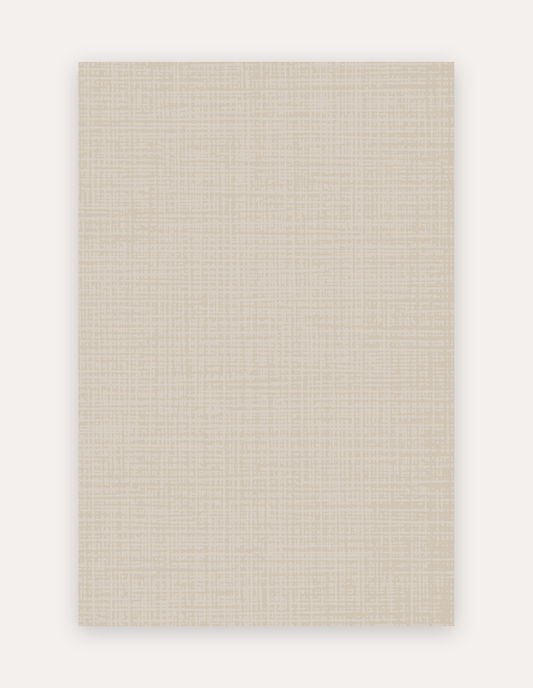
If you want to see how different styles can fit into a space without feeling out of place, this collection of modern mats is a good starting point.
So, is it worth it?
If your mat is something you use regularly, something that stays in your space, something your family interacts with, it becomes a different kind of decision. It is no longer just about having a mat. It is about choosing a surface that supports how you live, how you move, and how your space functions day to day.
If you are still comparing options or trying to make sense of what actually matters, this guide can help you decide on the perfect exercise mat for your home.