

What's Worth the Splurge in Premium Fitness Gear (and What Isn't)

Spending more doesn't always get you more. In fitness gear, as in most things, some premium purchases are genuinely worth it and some are just a logo and a markup. The trick is knowing the difference before you buy, so your money goes to the pieces that actually improve your experience and quietly disappears from the ones that don't. Here's a clear-eyed framework for deciding what's worth the splurge, and what to happily buy cheap or skip entirely.
A simple framework for spending
Before any purchase, run it through four quick questions. How often will I use it? How long will it last? Does it touch my body or bear my weight? And does higher quality actually change the experience? The more times you answer in favor of quality, the more a splurge makes sense. A piece you use daily, that lasts for years, that your body is in direct contact with, and that genuinely performs better when it's well made, is exactly where premium pays off. The opposite, rarely used, quick to date, and no better for being expensive, is where you're paying for a name.
Worth the splurge
- Anything that bears your weight or touches your body for long stretches. Shoes, a supportive bra, and your mat all affect comfort and safety every session. Quality is felt immediately and protects you over time.
- Recovery tools. A good massage device or quality bands get used constantly and last for years, so the cost-per-use is tiny.
- Pieces you use every single day. The daily-contact items justify their cost simply through frequency. A small upgrade you feel every day is worth more than a big one you rarely touch.
- Durable foundations. Things built to take repeated load and last, rather than be replaced every year, are an investment, not an expense.
Not worth the splurge
- Single-function machines. Expensive, bulky, and usually abandoned. Rarely worth the price or the footprint.
- Trend-driven gadgets. The device everyone's talking about this year is often in a drawer by next. Let trends prove themselves first.
- The logo tax. Paying purely for a recognizable name on an otherwise ordinary item is the clearest example of spending without getting.
- Cheap versions of daily-use items. The flip side: buying the bargain version of something you use constantly usually costs more over time in replacements and frustration.
How to tell quality before you buy
A few signals separate genuine quality from markup. Look at materials and construction rather than marketing language. Check the warranty, since a company that stands behind a product for years tells you something. Read reviews that mention long-term use, not just first impressions. And consider the return policy, because confidence in a product shows up in how easy it is to send back. Quality tends to be quiet and verifiable. Hype tends to be loud and vague.
A case study: your mat
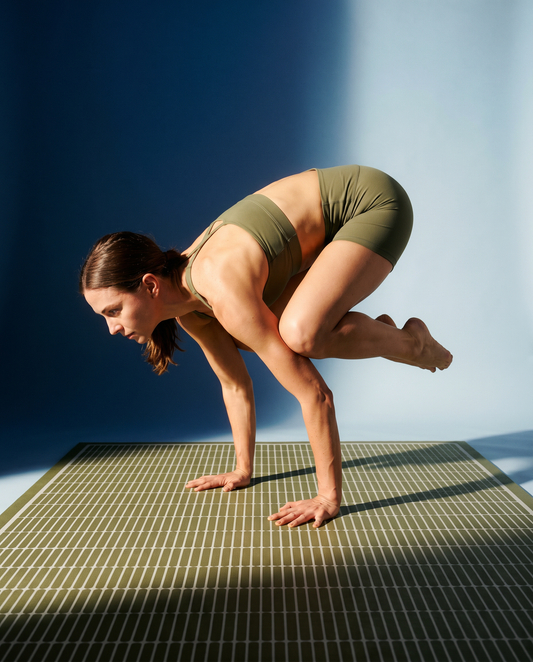
The mat is the perfect illustration of the framework. You use it every session, your body is in direct contact with it the entire time, it bears your weight, and quality changes the experience dramatically. A cheap mat is thin, slides, flakes or dents within months, and looks worn quickly, which is why people replace them again and again. A well-made one protects your joints, stays put, lasts for years, and looks good doing it, so the cost spread across thousands of uses is negligible. By every measure in the framework, the mat is squarely in splurge-worthy territory. If you're weighing it specifically, our guide to choosing a mat for yoga and conditioning and our Pilates mat guide both go deeper.
Where a premium mat earns it
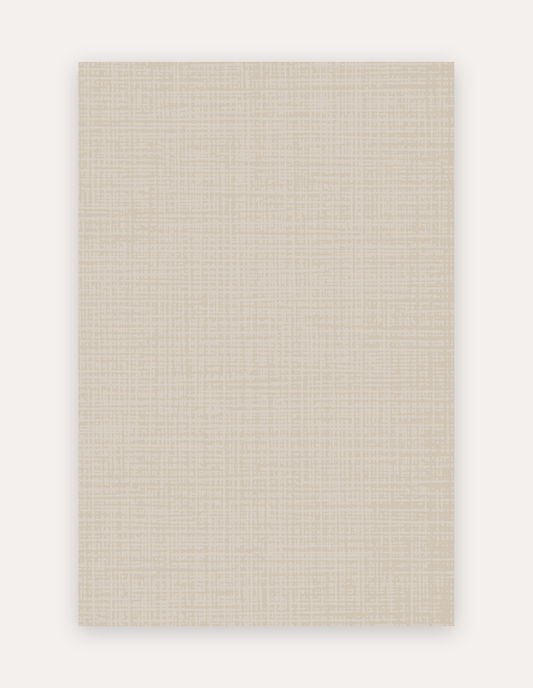
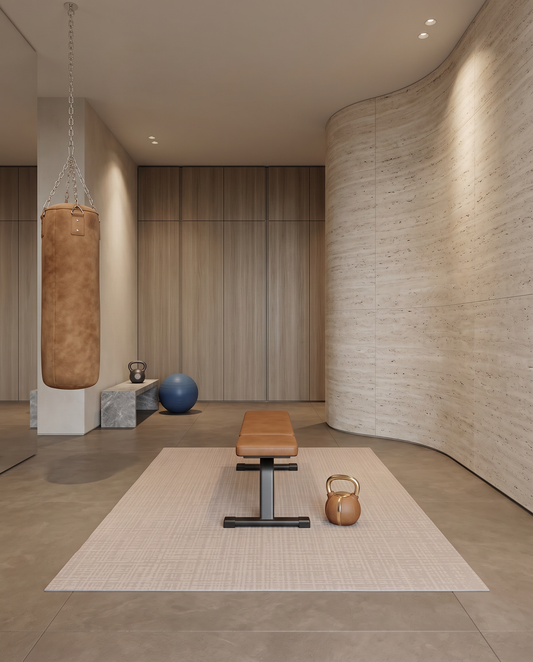
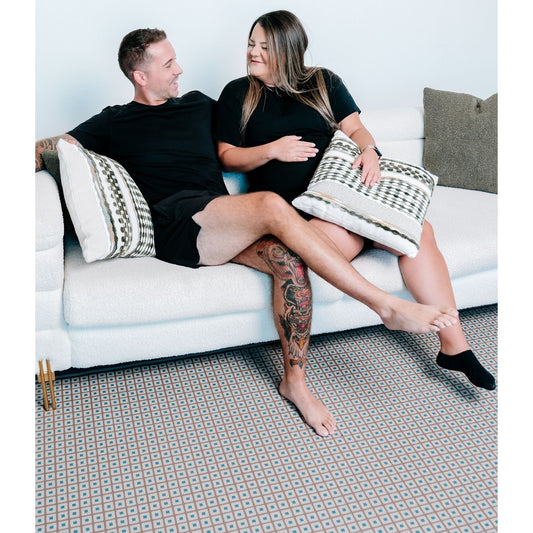
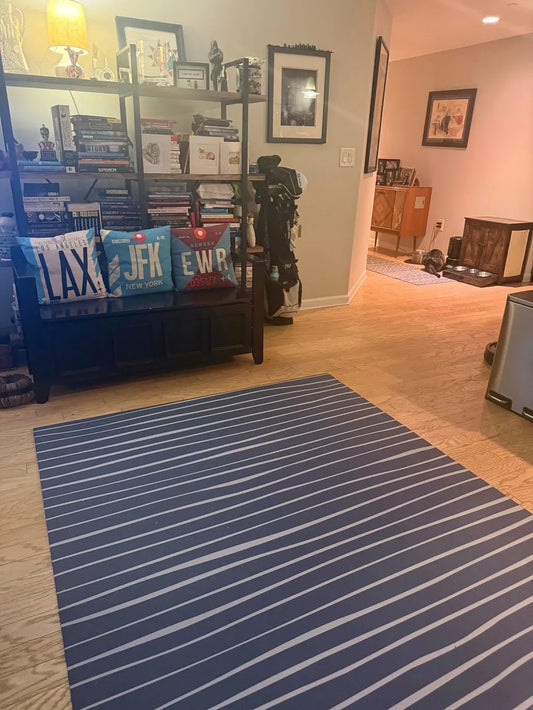
This is exactly the case a Swankymat is built to make. It's a large, 6mm-cushioned mat built from durable material that doesn't go thin or brittle, so it lasts in a way budget mats don't. It's made with non-toxic materials and Greenguard Gold certified inks, waterproof and wipe-clean, and designed to look like part of your home rather than gym equipment, so it earns its place visually as well as functionally. The lighter Studio Mat and the full-size 5x7 and 6x9 mats give you options by space and use. And because it's HSA/FSA eligible, a premium mat may qualify for tax-advantaged dollars, which makes a splurge-worthy piece an even easier call. Spend where it counts, skip where it doesn't, and the things you touch every day are almost always where it counts.