

Self-Care Practices That Actually Move the Needle

The self-care category has grown into something that would be unrecognizable to the original meaning. What started as clinical language for the practices that support mental health has expanded into a wellness product category that sells face masks and bubble baths as self-care essentials.
Both categories exist. But the practices that actually produce measurable changes in mood, energy, and health are a specific short list, and most of them do not require anything purchased in the wellness aisle.
What the Research Actually Supports
The self-care practices with the strongest evidence for improving mental and physical health tend to fall into four categories.
Movement. Regular physical activity is the single most well-supported self-care intervention across almost every health outcome. Frequency matters more than intensity. Twenty minutes daily produces better outcomes than 90 minutes twice a week.
Sleep. Consistent wake times, adequate duration, and reduced pre-bed screen exposure. Sleep quality often matters more than sleep quantity for daily functioning.
Social connection. In-person contact with people who care about you, at least a few times a week. The effect is measurable across health metrics.
Time outdoors. Sunlight, particularly morning sunlight, has real effects on mood, sleep, and hormonal regulation. Twenty minutes outside within an hour of waking is a strong daily target.
These four are less marketable than face masks. They are also considerably more effective.
What Tends to Get Marketed as Self-Care
Purchases that get labeled self-care and produce limited measurable benefit for most people:
Bath and body products used occasionally rather than regularly. Novelty wellness devices that require setup. Subscription boxes of curated wellness items. Aesthetic supplement regimens with limited evidence. Weekend spa days as substitutes for daily practice.
None of these are harmful. Most of them are enjoyable. But framing them as self-care obscures what actually moves the needle on wellbeing.
A Short List That Works
The practices below produce measurable improvements in mood, energy, and health for most adults. All are free or low-cost. All require time rather than money.
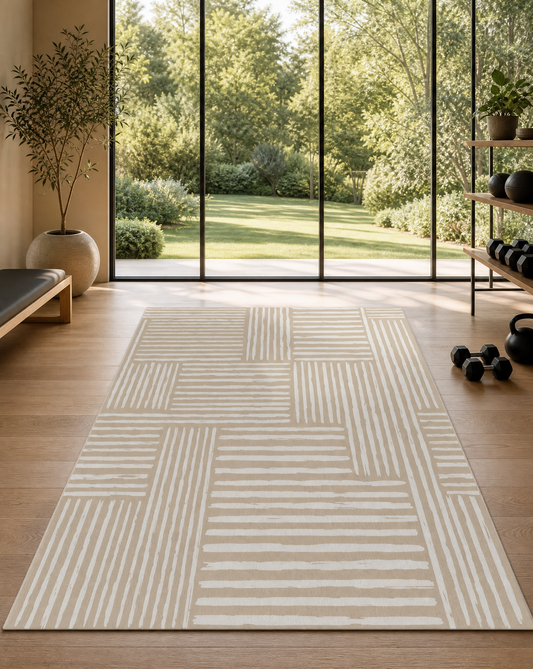
Twenty minutes of movement daily. Any format. Yoga, walking, strength training, mobility work. The consistency matters more than the specifics. A cushioned mat that stays out on the floor removes setup friction for the days a walk is not accessible.
Twenty minutes outside within an hour of waking. Sunlight exposure at that window sets circadian rhythm for the day. A morning walk covers both this and the movement piece simultaneously.
A consistent wake time seven days a week. Within a 30-minute window. Weekends included. This single change produces more sleep improvement for most adults than any product purchase.
Real meals eaten slowly. Prepared at home when possible. Eaten sitting down without a screen. The nutrition matters. The context matters more.
Regular contact with at least three close relationships. Weekly minimum. In-person when possible. Phone calls when not.
Time not looking at a screen. Beyond sleep. A minimum of one screen-free hour daily. Two is better. The mat practice from the first item on this list often covers one of them.
What to Notice
None of the practices on the working list are marketable in the traditional self-care sense. There is no product. There is no aesthetic. There is time and attention.
The self-care industry has grown to something like $450 billion globally in part because the practices that actually work are hard to sell. The practices that are easy to sell tend not to produce the outcomes the industry claims.
The useful move is treating self-care as a practice rather than a purchase. The purchases can happen alongside the practice, but they do not substitute for it.
The Physical Space for the Practice
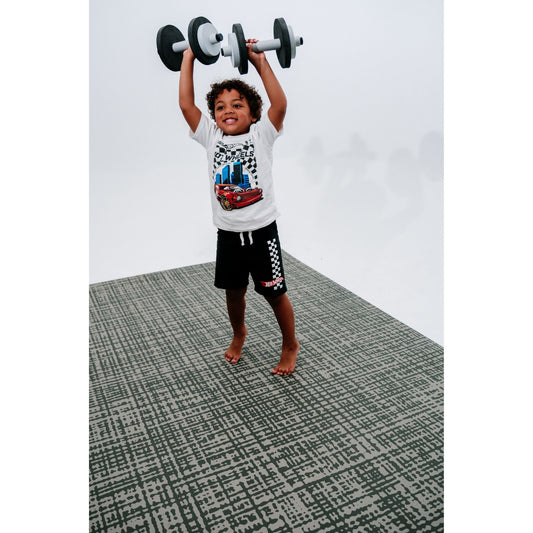
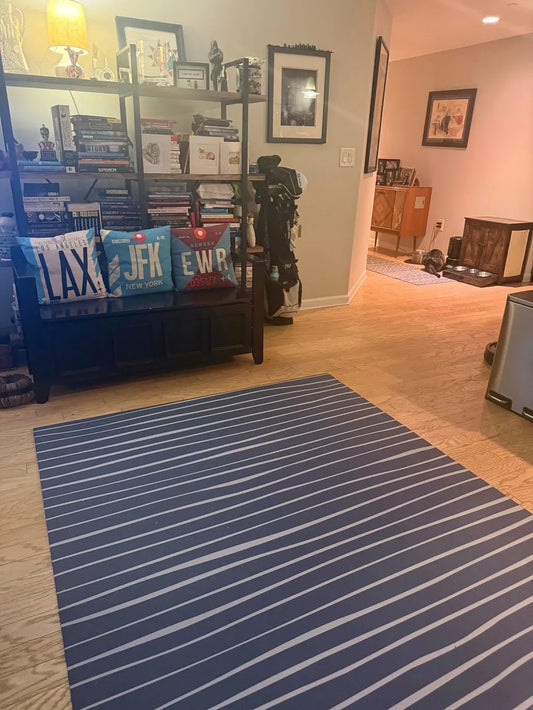
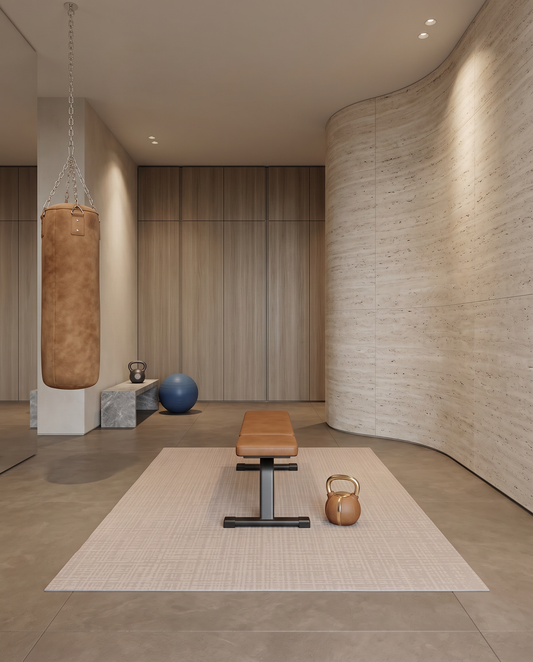
The single self-care investment worth making is the one that removes friction from the daily practices. For the movement piece specifically, a cushioned floor surface that stays out on the floor removes the ten-minute setup that breaks morning practices.
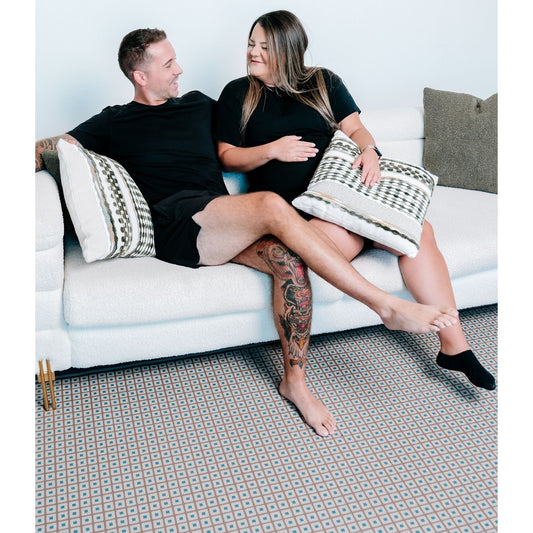
Swankymat is built for exactly this role. Non-toxic high-density foam with 6mm of supportive cushion, a waterproof wipe-clean surface, and Greenguard Gold certified inks. Designed to live on the floor permanently as part of the room rather than to be rolled and stored. Browse the neutral mats collection for the quieter palettes that fit self-care spaces.
For the broader case for building daily wellness practices at home, the post on simple wellness at home covers the surrounding day. For the compact five-minute version on busy days, the post on movement microhabits covers the fallback plan.