

Workouts for When You Can't Get to the Gym: 30-Minute Home Substitutes

Not everyone has time for the gym. Between work, school pickup, travel, sick weeks, and the general velocity of a full year, the commute to the gym is often the piece of the routine that fails first. For people who used to train regularly and are looking for a home substitute that produces similar results, the answer tends to be a structured 30-minute session rather than a random string of exercises.
Below are three at-home workouts built as substitutes for a standard gym session. Each is 30 minutes, requires only a cushioned mat and adjustable dumbbells (5 to 25 pounds), and can be done in any room with clear floor space.
Workout A: Full-Body Strength
The most versatile of the three. Covers every major movement pattern in 30 minutes.
Warm-up (5 minutes): Cat-cow, hip circles, arm circles, bodyweight squat to 10 reps, standing forward fold hold for 60 seconds.
Circuit (20 minutes): Four rounds of five movements, 45 seconds work with 15 seconds transition.
- Goblet squat (dumbbells at chest)
- Push-up (or incline against a wall)
- Reverse lunge with rotation
- Bent-over row (dumbbells, hinge at hip)
- Plank hold with shoulder taps
Cool-down (5 minutes): Down dog to child pose, low lunge with reach (90 seconds each side), supine spinal twist (60 seconds each side).
Workout B: Lower Body Focus
The one to do on legs day.
Warm-up (5 minutes): Hip circles, walking lunges in place, glute bridge with hold, standing side leg lifts.
Circuit (20 minutes): Five rounds of four movements, 45 seconds work with 15 seconds transition.
- Goblet squat with pause at bottom
- Romanian deadlift (dumbbells, hinge)
- Reverse lunge (alternating legs)
- Glute bridge with dumbbell on hips
Cool-down (5 minutes): Pigeon prep (2 minutes each side), seated forward fold (60 seconds).
Workout C: Upper Body and Core
The one to do on days when the lower body is recovering.
Warm-up (5 minutes): Arm circles, cat-cow, thread the needle, downward dog to plank flow.
Circuit (20 minutes): Four rounds of five movements, 45 seconds work with 15 seconds transition.
- Push-up (any variation)
- Bent-over row (dumbbells)
- Overhead press (dumbbells, standing or kneeling)
- Dead bug (bodyweight, slow tempo)
- Side plank with lift (alternating sides each round)
Cool-down (5 minutes): Doorway chest opener (2 minutes), thread the needle (60 seconds each side).
How to Rotate the Three
Three sessions a week is the baseline for maintaining strength for most trained adults. Four is better if the schedule allows. The rotation that works for most people: Monday full-body, Wednesday lower body, Friday upper body and core. Or, for four-day schedules, add a second full-body session on Saturday.
Rest days should include some form of low-intensity movement. A twenty-minute walk. A short mobility session. Ten minutes of stretching. Complete rest is fine occasionally but rarely the best default.
What This Setup Does Not Cover
Two things this home substitute plan does not replicate from a full gym setup.
Heavy compound lifts. If your training progression requires barbells above 100 pounds, this is a maintenance plan rather than a progression plan. For sustained strength during a gym break, that maintenance is often enough. For active progression, you will eventually need to return to the gym or invest in a home barbell setup.
Cardio equipment. If your cardio strategy relied on a rower, a bike, or a treadmill, none of that is here. A jump rope, walking, or bodyweight HIIT sequences can substitute in the short term.
For more on building daily movement in short windows, the post on movement microhabits covers the five-minute version that fits busier days.
The Surface for a 30-Minute Home Session
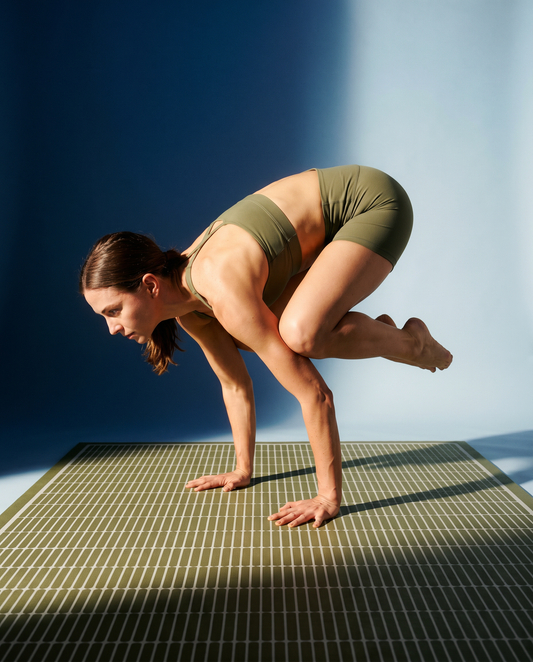
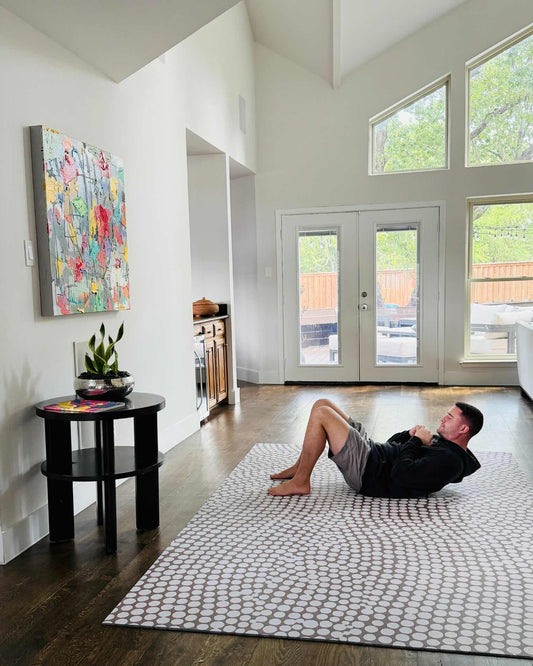
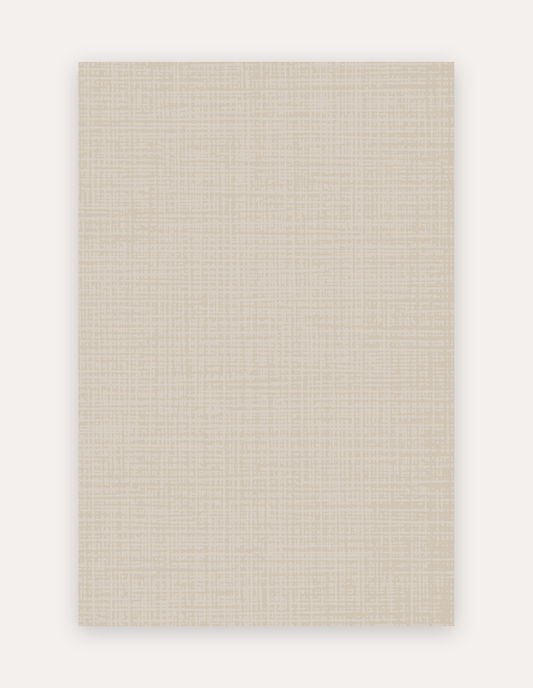
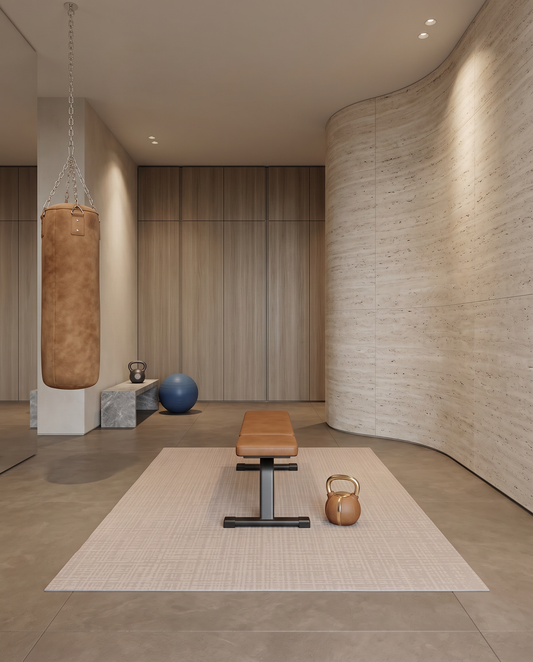
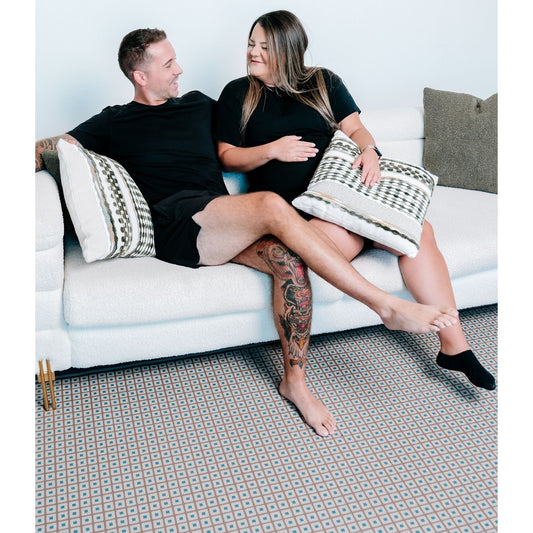
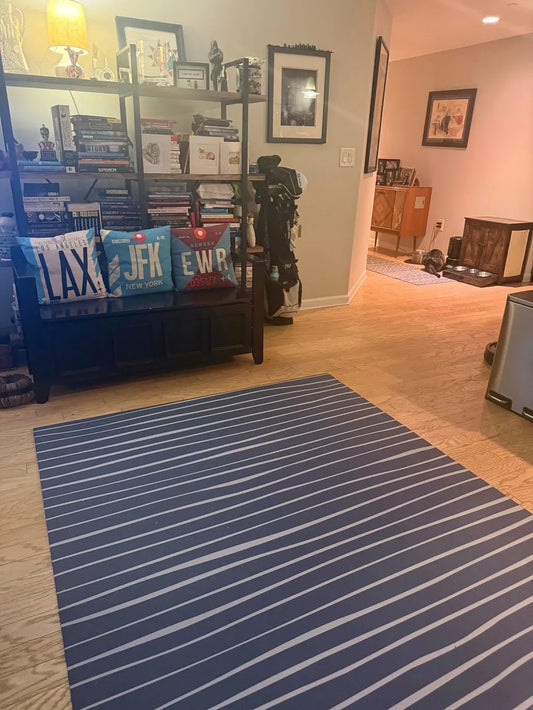
A 30-minute mixed-training session puts real demands on the floor surface. Standing balance work needs stability. Kneeling exercises need cushion. Push-ups need firmness. Cool-down holds need comfort. Swankymat is calibrated for this mix. Non-toxic high-density foam with 6mm of supportive cushion, a waterproof wipe-clean surface, and single-piece construction that stays in place through a plank or a burpee.
For a broader view of what to look for in a home workout mat, the post on how to choose a home workout mat covers the considerations. For the sample exercise library beyond these three workouts, the exercise mat exercises post covers structured rotations by muscle group.