

Considering a Manduka Yoga Mat? What to Look for in a Home Practice Alternative
Many people searching for a Manduka yoga mat are looking for a well-made option they can rely on for consistent practice. Manduka has become a reference point in the yoga world, especially for studio use, which makes it a common comparison when choosing a mat for home.
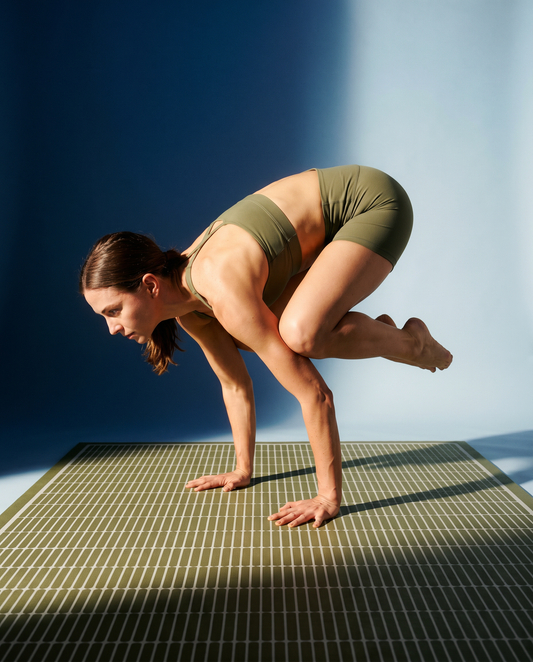
From a yoga instructor’s perspective, the best mat depends on where and how you practice. Studio-focused mats are often designed for durability and portability, while home practice brings different priorities into play. Comfort during floor-based poses, thickness for joint support, and how the mat fits into your living space often matter more at home.
When comparing Manduka-style yoga mats to other options, it helps to consider thickness and density together. A mat with a supportive cushion and comfortable, high-density feel can reduce pressure on knees, wrists, and hips during longer holds or slower flows, without feeling unstable in standing poses.
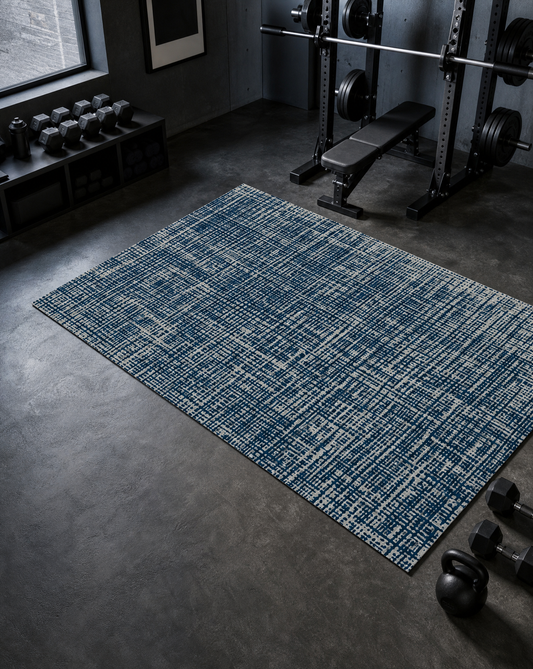
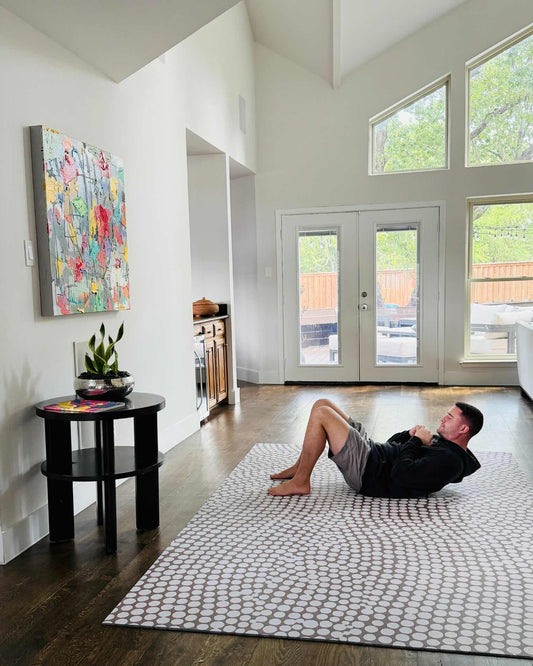
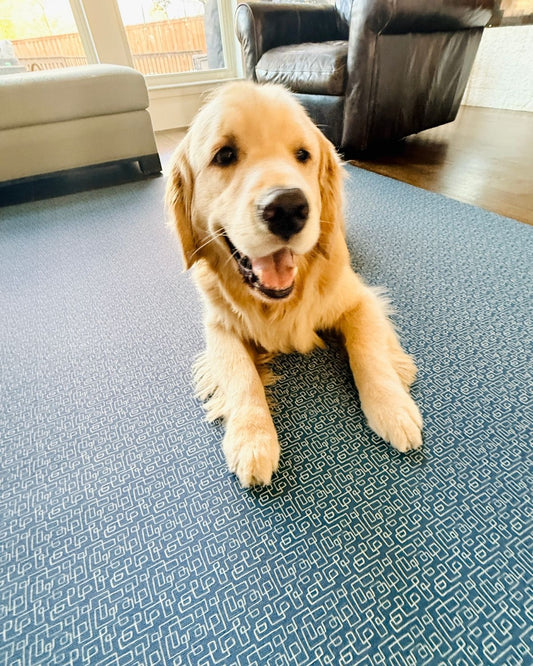
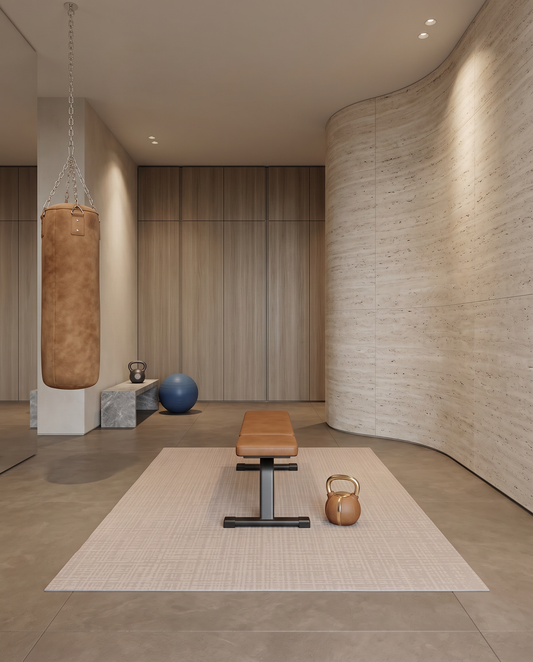
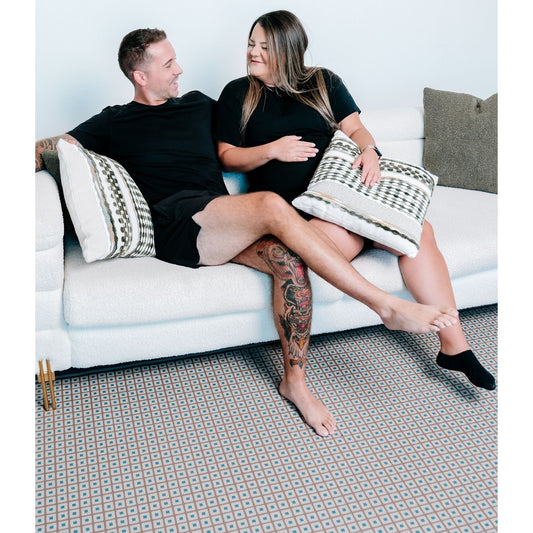
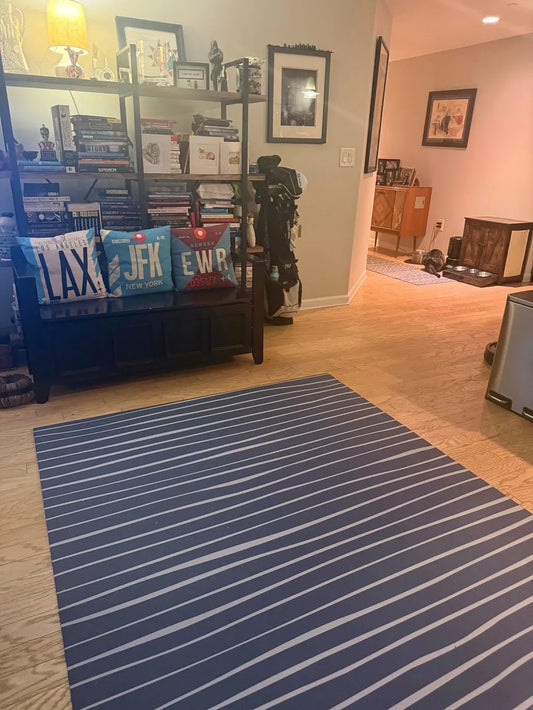
Another factor people consider is how the mat lives in their home. Many home practitioners prefer a mat that can stay out between sessions and feel intentional in the room. Design, pattern, and overall presence can play a role in whether a mat feels like part of the space or something that needs to be rolled away.
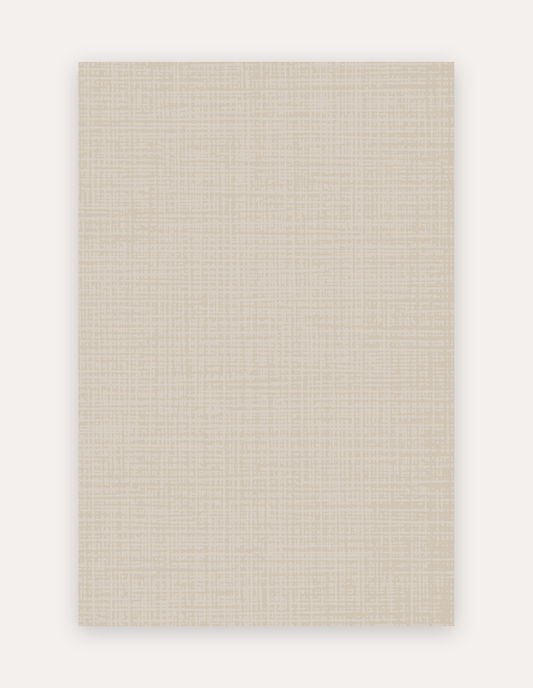
If you’re comparing a Manduka yoga mat to alternatives designed for home use, Swankymat offers a different approach. Swankymat mats are created to support yoga, stretching, and everyday movement with a supportive cushion and comfortable, high-density surface that works naturally in shared living spaces. You can learn more about how Swankymat approaches materials and testing here.