

The Best New Yoga Mats for 2026

The word new gets used loosely in the yoga mat category. A new colorway of an existing product, a repackaged version of a discontinued model, or a licensing deal with a yoga influencer can all be marketed as new mats. The distinction between genuinely new construction and a rebranded refresh matters more than most buyers realize, because the constructional differences are what determine lifespan and performance.
This post covers what actually counts as new in the 2026 yoga mat category, and what to prioritize when evaluating a mat in the current lineup.
What Counts as New in 2026
Four categories of genuine innovation are worth attention this year.
1. Integrated Surface Construction
The most meaningful shift in the yoga mat category over the last two years is the move from layered construction (printed top surface bonded to a foam base) toward integrated construction (surface and base as one continuous material). The change addresses the most common failure mode in premium mats: surface peeling, flaking, and delamination after 12 to 24 months of consistent use.
Mats that lead with integrated construction in their materials disclosure are worth the additional attention. Mats that describe the surface as premium bonded top layer are still using the old construction.
2. Named Certifications
The premium mat category has moved toward specific third-party certifications rather than vague non-toxic claims. Greenguard Gold certified inks (VOC emissions testing by UL Solutions) and REACH compliance are now table stakes for mats above a certain price point. Mats that name specific certifications by certifying body sit in a different category than mats that describe themselves as non-toxic without further detail.
3. Extra Large Sizes
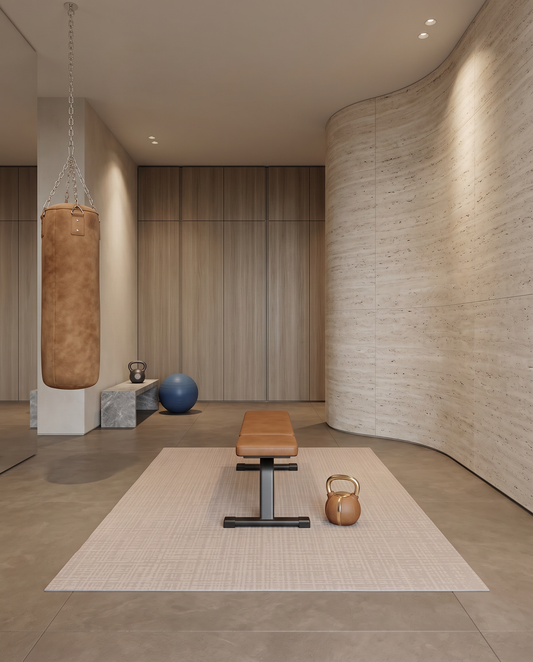
The oversized mat category (5x7 and 6x9 sizes) has grown substantially. The shift responds to a real practice reality: most home yoga is not solo vinyasa on a 24-inch-wide mat. It is mixed movement (yoga, Pilates, mobility, floor play) that requires more lateral space than a traditional studio mat provides. Mats sized as area rugs cover the full range of home movement.
For more on the sizing decision specifically, the post on 5x7 vs 6x9 sizing covers when each is the right fit.
4. Hand-Drawn Pattern Design
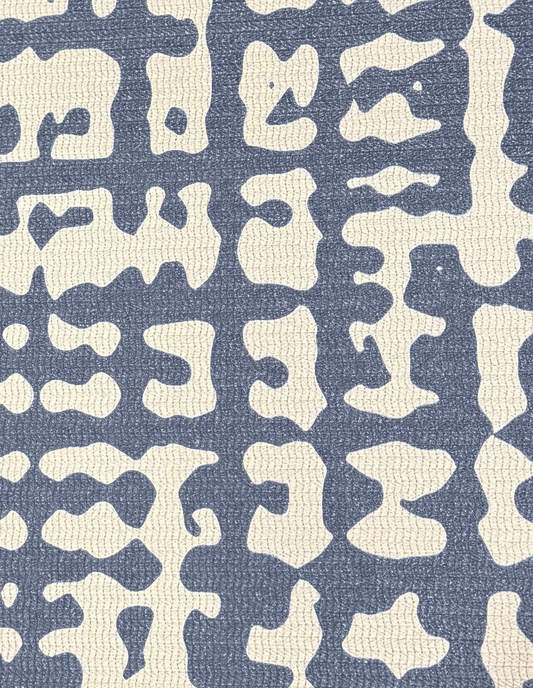
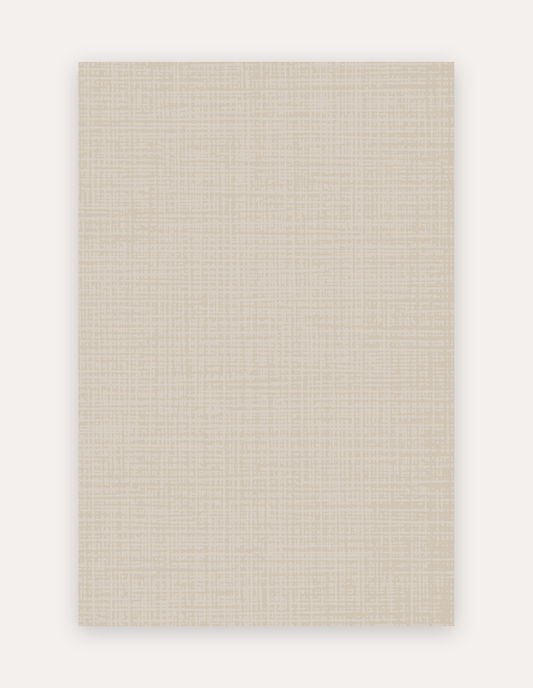
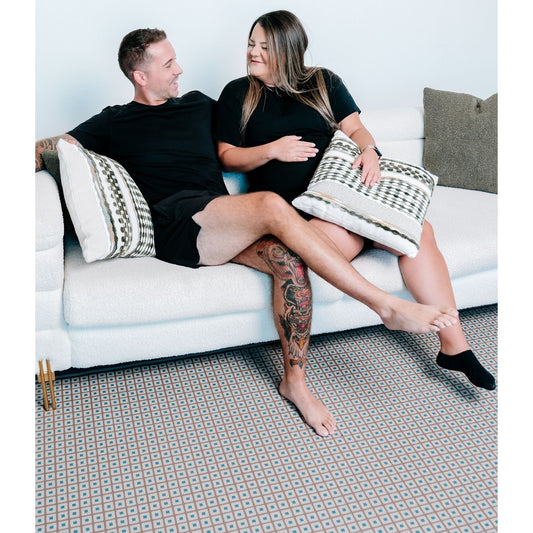
Traditional yoga mats have been either solid colors or screen-printed logos. The 2026 lineup includes more hand-drawn, artist-collaborated pattern work than any previous year. Crosshatch textures, watercolor patterns, botanical linework, and geometric tile motifs give the mat a design register closer to woven textiles than to gym gear.
What Does Not Count as New
Three things marketed as new that usually are not.
New colorways. A refreshed color on an existing model is a merchandising decision, not a new mat. The construction, materials, and performance are unchanged.
Yoga instructor collaborations. A mat carried by a specific instructor or studio is usually a rebadged version of an existing product with a licensing deal on top. The construction is often identical.
Trend copy. Language like next generation, eco-forward, and future of yoga is marketing rather than construction. Look for named material changes, named certifications, or named construction differences.
The Swankymat 2026 Additions
Two additions to the Swankymat lineup this year worth naming specifically.
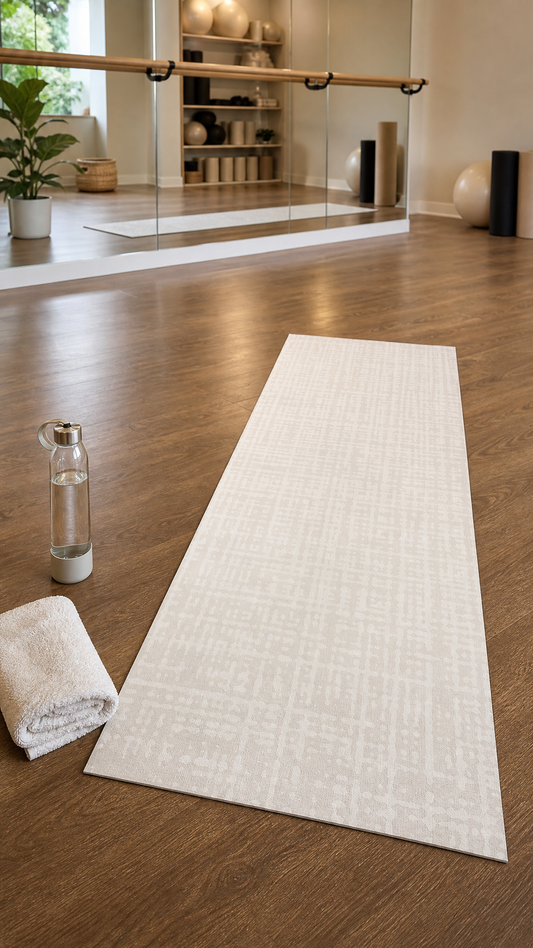
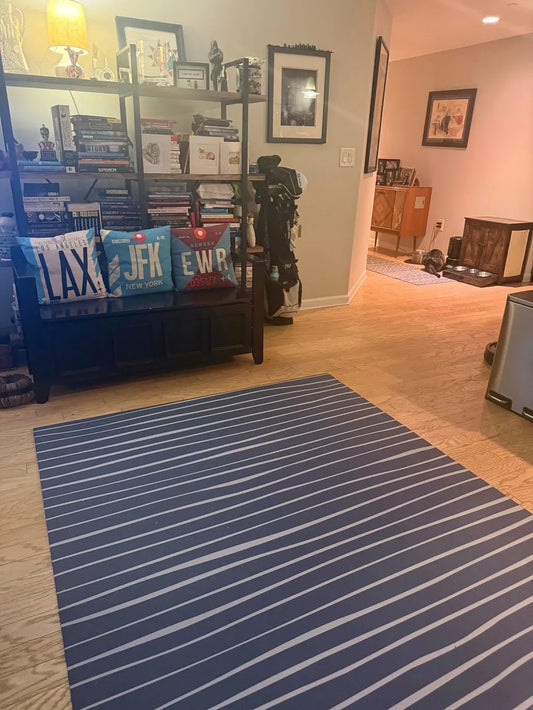
The Sloane Mat in Midnight. The deepest blue in the Sloane family, a hand-drawn crosshatch over a linen-textured ground. Available in the Oversized 5x7 and 6x9, and the rollable Studio Mat. The color was developed for customers who asked for something more saturated than navy and quieter than black. For more on the launch, the post on introducing The Sloane Mat in Midnight covers the palette in detail.
The Studio Mat line. A new size category for Swankymat, sized at 26 by 71 inches in the traditional studio class shape. Rollable for portability, built with the same non-toxic high-density foam and Greenguard Gold certified inks as the Oversized line. Available across most of the Swankymat patterns. Browse the Studio Mats collection for the full lineup.
How to Evaluate a Genuinely New Mat
Three questions tend to separate genuine new construction from a rebranded refresh.
First, what specifically is different in the material or construction compared to the previous version? If the answer is not clear, the mat is a rebrand.
Second, what independent certification supports the material claims? Named certifications from named certifying bodies are meaningful. Vague claims are not.
Third, how long does the manufacturer commit to the surface staying peel-free? A brand that will not stand behind the construction for at least three years is not confident in what they built.
Where to Start
For the broader case for evaluating premium mats, the post on what makes a mat premium covers the five-criteria framework. For the direct comparison side of the buying question, the post on the best yoga mat for home workouts covers what to look for. And the swatch pack ships three real material samples so you can see the colors and texture in your space, which is the most reliable way to evaluate the material in hand before committing to the current 2026 lineup.