

Skip to content
Cart
Man and child on Swankymat non toxic rug alternative mat for yoga and play. Man and child exercising on Swankymat non toxic large yoga mat in modern green neutral pattern

The Only Mat Your Home Needs

Non-toxic, wipe-clean, and built for workouts, play, and real life.

feature-item-1
KID + PET FRIENDLY
feature-item-2
RIGOROUSLY NON-TOXIC
feature-item-3
GREENGUARD GOLD INKS
feature-item-4
HSA/FSA ELIGIBLE

The Compound Effect of Small Wellness Habits

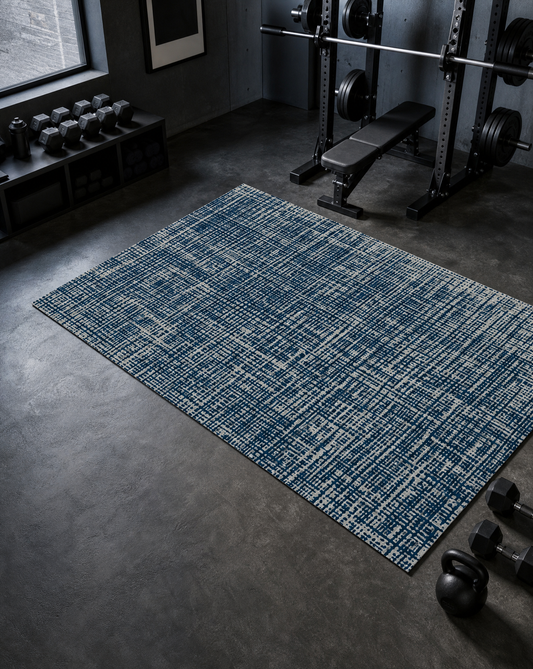
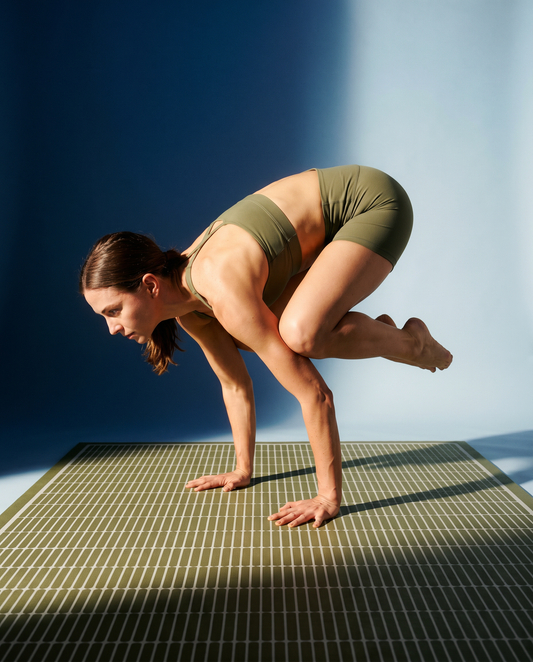
Small daily wellness habits compounded over time, practiced on a Swankymat Sloane Midnight

The compound effect works the same way in wellness as it does in finance. Small consistent deposits produce results that look modest month over month and remarkable year over year. The math is not intuitive at first, which is part of why most people underestimate the value of a daily 15-minute practice compared to a weekly 90-minute session.

This post covers the compounding math specifically as it applies to wellness habits, what the research supports, and how to think about wellness returns over years rather than weeks.

The Basic Math

Fifteen minutes of daily movement produces 91 hours per year of practice. Ninety minutes once a week produces 78 hours per year. Comparable time investment. The outcomes tend not to be comparable.

The reason is not the total time. It is what daily practice does to the nervous system, joint health, mobility, and habit consolidation that a weekly session cannot replicate. Range of motion improves through daily low-dose consistency in a way it does not through infrequent higher doses. Sleep quality shifts through consistent daily inputs that a weekly session leaves unchanged for six days at a time. Nervous system regulation depends on daily practice more than on session length.

The compounding is not in the minutes. It is in the daily accumulation of small physiological adjustments that only happen through repetition.

Where the Research Supports Compounding

Four areas where the compound effect is particularly well-documented.

Joint mobility. Daily 10-minute practice produces measurable range-of-motion changes within six weeks. Weekly 60-minute practice produces smaller changes over months. The difference is significant enough to be clinically relevant for adults over 40.

Cardiovascular health. Frequency of moderate activity correlates with cardiovascular outcomes more strongly than session length. Daily walking has stronger evidence than weekend athletic training for long-term heart health.

Mental health. Consistency of movement matters more than intensity for depression and anxiety outcomes. Daily 20-minute walks show equivalent or better results than intense weekly training in most studies.

Sleep quality. Daily wake-time consistency produces sleep quality improvements that no amount of weekend catch-up sleep can match. The mechanism is circadian rhythm, which does not compound through infrequent inputs.

What Small Habits Actually Look Like

The habits that compound over years tend to look almost trivial in isolation. The point is not that any single instance matters. The point is that consistency across years produces outcomes single events cannot.

Fifteen minutes of morning stretching. Twenty minutes of walking after lunch. Eight ounces of water immediately upon waking. A consistent wake time seven days a week. Ten minutes of stretching before bed. A phone-free hour before sleep. Thirty grams of protein at breakfast.

None of these produce dramatic weekly changes. All of them compound.

The 1% Better Framework

Habit-formation research often uses a 1% better framework to illustrate compounding. If a wellness practice improves your health by 1% each day, the improvement compounds at 37 times over a year. If a habit degrades your health by 1% each day, the decline compounds at close to zero.

The specific math is illustrative rather than literal. But the direction is real. Small consistent daily practices produce outcomes disproportionate to their apparent size, and small consistent daily degradations compound in the same direction.

Why the Compounding Is Undersold

Wellness marketing tends to sell dramatic transformations because dramatic transformations are visible. A 30-day challenge that promises visible changes sells better than a 5-year practice that promises steady quiet improvement.

The dramatic transformations tend not to hold. The daily practices that compound do. The mismatch between what markets well and what actually works is one of the reasons the wellness industry keeps growing while most individual practices keep failing to stick.

Setting Up for the Long Term

Habits that compound over years require infrastructure that reduces friction to almost zero. A mat that is rolled up in a closet fails the daily 15-minute practice on any day the closet feels far away. A mat that lives on the floor removes the friction entirely.

Swankymat is built for the long-term daily practice. Non-toxic high-density foam with 6mm of supportive cushion, a waterproof wipe-clean surface, and Greenguard Gold certified inks. Designed to live on the floor permanently, which is what makes the daily habit possible. Browse the neutral mats collection for the palettes that fit a designed home.

For the specific mechanics of building a daily practice, the posts on movement microhabits and habit stacking for wellness cover the two most effective frameworks. For the broader case for building movement into a real schedule, the post on how to make movement part of your daily routine covers the surrounding habit structure.

Back to blog

Learn More About Yoga and Exercise Mats

Swankymat Sloane Navy non-toxic eco-friendly exercise mat and play mat with yogurt spill showing easy-to-clean wipeable surface

Style meets function.

Swankymat is the largest wipeable, single-piece mat on the market, with a sleek design you’ll actually want to keep on display. No folding. No rolling up. Just a durable, stylish surface that’s always ready for your next workout.

FIND YOUR PERFECT MAT

Shop Our Best Sellers

What's your style?

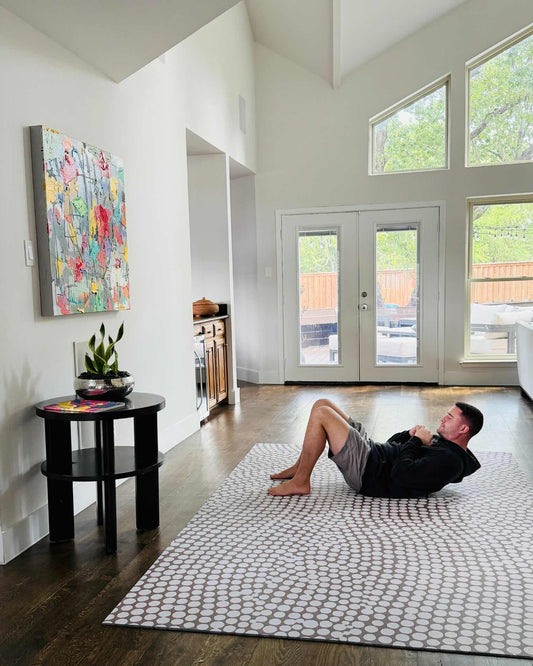
Person doing sit-ups on the Circa Sandstone oversized exercise mat, a non-toxic high-density foam mat in a warm sandstone pebble pattern, during a home workout

Neutral Styles

SHOP NEUTRAL
Neutral Brown and tan mat rug alternative for home, yoga, and play

Modern Flair

SHOP MODERN
Swankymat stylish blue non toxic mat for yoga and play and tummy time

Blue Hues

SHOP BLUE
Woman doing yoga at home on colorful stylish mat by Swankymat

Pop of Color

SHOP FUN

Ready to transform your space?

Person doing sit-ups on the Circa Sandstone oversized exercise mat, a non-toxic high-density foam mat in a warm sandstone pebble pattern, during a home workout

The oversized mat you've been waiting for

A fitness mat that fits your life.

Whether you’re flowing through yoga, powering through HIIT, or carving out a home gym corner, our exercise mat and play mat is built for movement. The supportive 6mm cushion protects joints during lunges and planks, while the firm surface keeps you stable for balance poses. Unlike standard yoga mats, it’s generously sized at 5'x7' or 6'x9' to give you the freedom to move without stepping off the edge. And when the workout’s over, the sleek design blends right into your living space.

Woman doing yoga at home on colorful stylish mat by Swankymat

SOPHISTICATED AND FUNCTIONAL

Where style and movement live in harmony.

Our 6mm thick, non-slip mats offer the joint protection and shock absorption you need—without sacrificing the style your home deserves. From high-impact workouts to low-key Sundays, from yoga flows to dinner parties, Swankymat is made to move with you and look good doing it.

Swankymat Sloane Navy non-toxic eco-friendly exercise mat and play mat with yogurt spill showing easy-to-clean wipeable surface

EASY TO CLEAN

You've cleaned enough rugs.

Life happens. Our mats don't cry over spilled milk (or wine). The waterproof exterior prevents liquids, dust, dander, and odors from penetrating, making it easy to clean. Simply vacuum, mop, or wipe with mild detergent. Our products are robot vacuum-friendly.

MORE ON MAT CARE
Woman exercising on pink yoga mat in stylish living room styled with neutral and pink colors

NON-TOXIC AND ECO-FRIENDLY

Clean. Inside and out.

Our mats are made from eco-friendly, high-density foam and ink that are non-toxic and free from harmful chemicals. We go above and beyond industry standards to ensure peace of mind for you and your loved ones. Our products have undergone rigorous testing by a world leading Consumer Product Safety Commission accredited laboratory.

  • Phthalate-Free (16P Free): No harmful plasticizers that could affect your health.
  • Latex-Free & Silicone-Free: Safe for those with allergies and sensitivities.
  • Certified European POPs Regulation Compliant Ink: Meets strict European safety standards for environmental and human health protection.
  • GREENGUARD Gold Certified Inks: Solvent and VOC free contributing to safer, healthier air.

With our product, you can trust that you're choosing a safe, responsible, and high-quality option for your home.

SAFETY STANDARDS

Frequently Asked Questions

How do small wellness habits compound over time?

Small daily wellness habits compound through the physiological adjustments that only happen with repetition. Joint mobility, cardiovascular health, mental health outcomes, and sleep quality all respond more to frequency of practice than to session length. Fifteen minutes daily produces measurably better outcomes over a year than 90 minutes weekly, even though the total time is comparable.

Is 15 minutes of exercise a day enough?

Fifteen minutes of daily movement, done consistently, produces meaningful improvements in mobility, cardiovascular health, sleep quality, and mental health for most adults. Frequency matters more than session length. Fifteen minutes six days a week is often more effective than 90 minutes once a week for long-term health outcomes.

Why do consistent small habits work better than dramatic changes?

Dramatic changes rarely sustain. The 30-day challenges that promise visible transformation tend to end after 30 days. Daily practices that produce modest daily improvement compound across years into outcomes larger than any dramatic short-term program can match. The math favors consistency over intensity for long-term health.