

Man and child on Swankymat non toxic rug alternative mat for yoga and play. Man and child exercising on Swankymat non toxic large yoga mat in modern green neutral pattern

The Only Mat Your Home Needs

Non-toxic, wipe-clean, and built for workouts, play, and real life.

feature-item-1
KID + PET FRIENDLY
feature-item-2
RIGOROUSLY NON-TOXIC
feature-item-3
GREENGUARD GOLD INKS
feature-item-4
HSA/FSA ELIGIBLE

The Morning Routine That Starts on the Floor

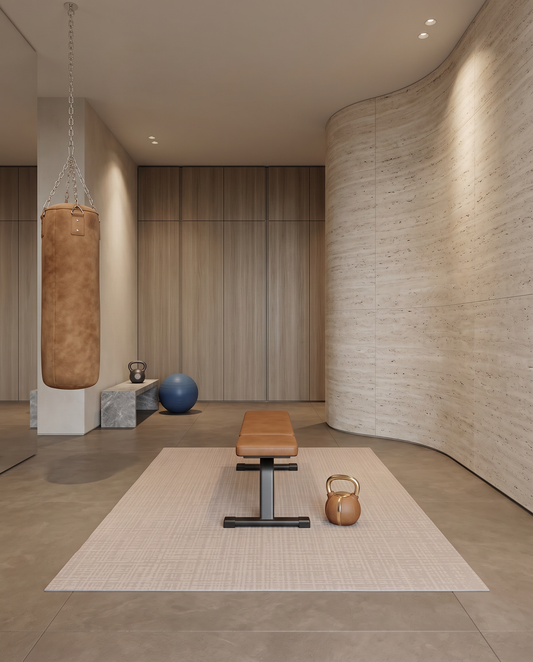
A morning routine practiced on a Swankymat Wavy Cove mat in a light-filled home

The routines that hold up over years share one design principle. They begin in a specific place, at a specific time, with a specific first movement. The specificity is what makes the routine automatic rather than a decision that has to be made each morning.

A morning practice that starts on the floor is one of the more durable versions of this design. Twenty to thirty minutes, four elements, and a physical space that supports the ritual without requiring any setup.

Why the Floor

Beginning the day on the floor does three specific things.

It changes the position of the body from horizontal (in bed) to vertical (upright) gradually, through supported positions that let the spine, hips, and shoulders wake up without loading.

It creates a small analog transition before the digital day begins. Most mornings pull people into a phone within seconds of waking. A floor routine holds that boundary for twenty to thirty minutes, which changes the emotional tone of the morning noticeably.

It anchors the day to a physical space in the home. The ritual has a home, which means it does not have to be re-decided every morning.

The Four Elements

A morning routine that survives real life tends to include four elements in the same order every day. The specific movements can vary; the structure holds.

Breath, 5 minutes. Seated cross-legged or in a supported position, slow nasal breathing for five minutes. Not a meditation practice, not a technique. Just five minutes of slow inhale and slow exhale to shift the nervous system out of sleep and into a settled awake state.

Mobility, 10 to 15 minutes. A gentle floor sequence covering the spine, hips, shoulders, and neck. Cat-cow, gentle twists, hip circles, thread the needle, seated forward fold. Nothing forced, nothing dynamic. The goal is to move each joint through its available range without pushing depth.

Movement, 5 to 10 minutes. A short strength or activation piece. Twenty air squats, a plank hold, a set of push-ups, or a full sun salutation flow. This is the element that varies most day to day based on energy and time.

Stillness, 3 to 5 minutes. Lying on the mat, eyes closed, no phone. The transition into the day. Some people use this time for a specific intention. Most people benefit more from letting it be quiet.

Where the Space Belongs

The room the routine happens in matters more than most people acknowledge. The best options tend to be the bedroom (for the foot-of-bed placement that removes commute) or a specific corner of the living room reserved for the practice.

For the bedroom-specific setup, the post on the bedroom wellness corner covers the design and placement decisions. For the broader wellness-corner framework, the post on designing a calm movement space at home covers the elements.

What Breaks the Routine

Two things reliably kill a morning practice. The first is starting too ambitious. A 60-minute routine sounds virtuous but requires waking up an hour earlier, which most people cannot sustain past the third week. A 25-minute routine that runs six days a week beats a 60-minute routine that runs twice.

The second is setup friction. If the mat lives in a closet, the ten minutes it takes to roll out, arrange, and position is often the ten minutes that would have been the mobility block. A mat that stays out on the floor removes the entire decision.

The Ritual Object

Most morning rituals that stick have a physical object that anchors them. A candle beside the mat. A cup of tea on a tray. A journal on a low shelf. The object is not required, but it does one useful job: it signals the boundary between night and day, between rest and awake, between private and public.

Choose one object. A candle works well because lighting it is a physical act that marks the transition. Blowing it out at the end of the routine closes the practice.

The Surface Under the Ritual

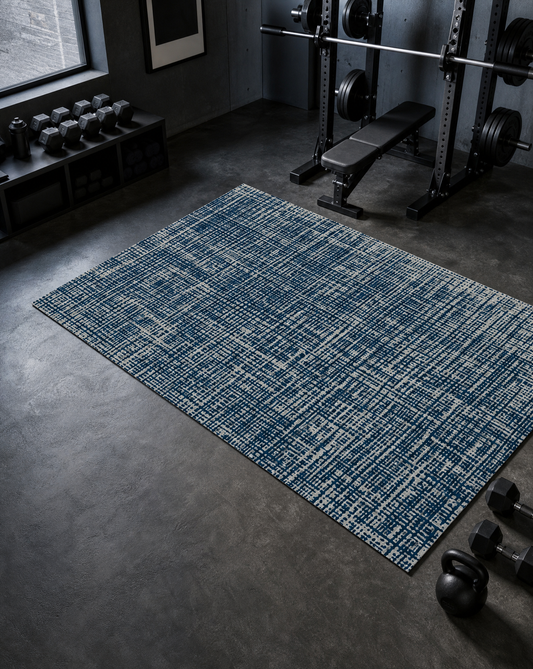
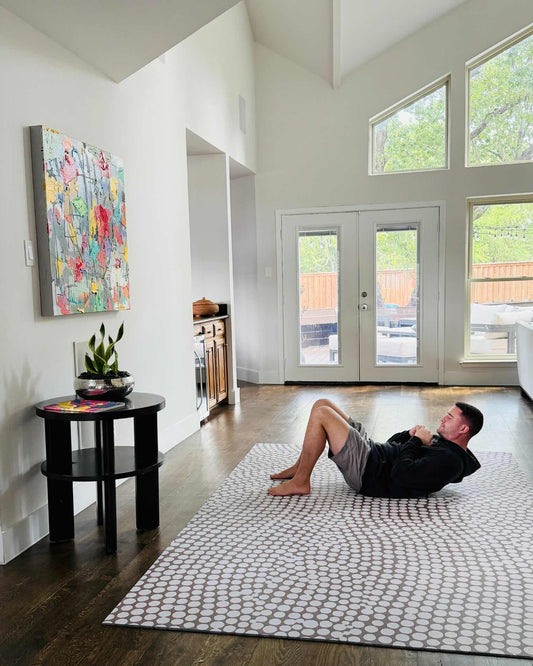
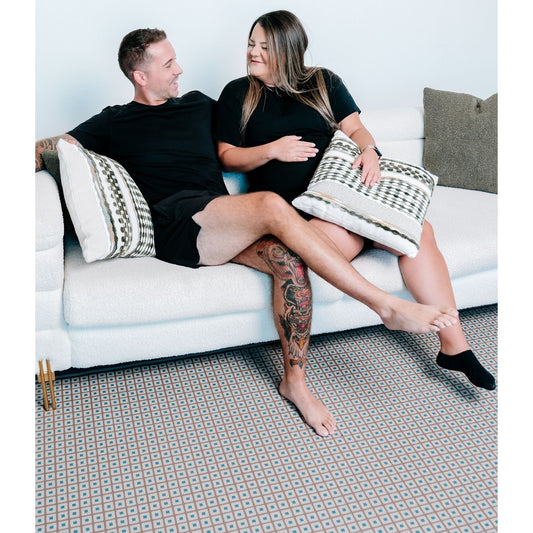
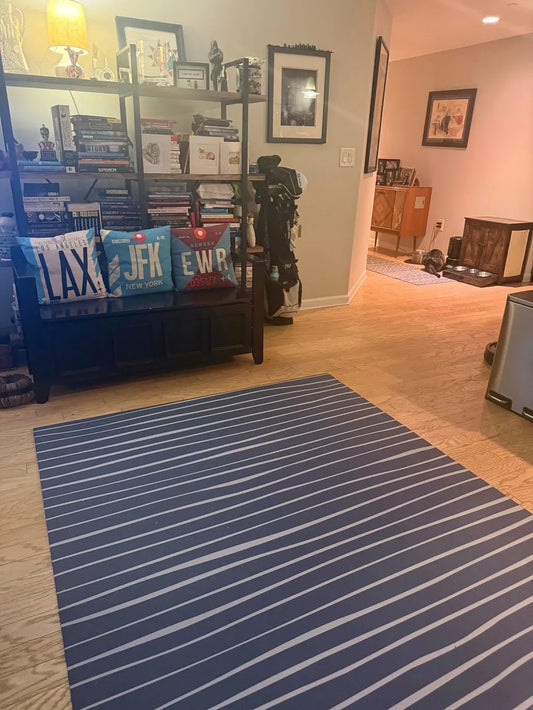
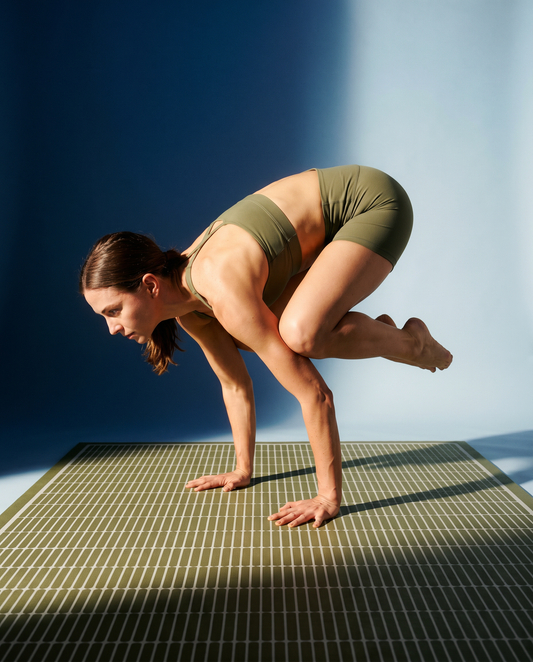
The floor surface for a morning ritual has to hold up to two things: the cushion required for supported holds and floor work, and the aesthetic required to leave the mat out permanently as part of the room. Swankymat is designed for both. The mat is non-toxic high-density foam, 6mm of supportive cushion, with a waterproof wipe-clean surface. The patterned designs read as an area rug rather than as gym equipment, which is the difference between a mat that lives in a bedroom or living room and one that gets rolled and stored.

For more on building a sustainable movement practice at home, the post on simple wellness at home covers the broader day around the ritual. For a shorter version of the practice on busy days, the post on movement microhabits covers the five-minute version that fits any morning.

Back to blog

Learn More About Yoga and Exercise Mats

Swankymat Sloane Navy non-toxic eco-friendly exercise mat and play mat with yogurt spill showing easy-to-clean wipeable surface

Style meets function.

Swankymat is the largest wipeable, single-piece mat on the market, with a sleek design you’ll actually want to keep on display. No folding. No rolling up. Just a durable, stylish surface that’s always ready for your next workout.

FIND YOUR PERFECT MAT

Shop Our Best Sellers

What's your style?

Person doing sit-ups on the Circa Sandstone oversized exercise mat, a non-toxic high-density foam mat in a warm sandstone pebble pattern, during a home workout

Neutral Styles

SHOP NEUTRAL
Neutral Brown and tan mat rug alternative for home, yoga, and play

Modern Flair

SHOP MODERN
Swankymat stylish blue non toxic mat for yoga and play and tummy time

Blue Hues

SHOP BLUE
Woman doing yoga at home on colorful stylish mat by Swankymat

Pop of Color

SHOP FUN

Ready to transform your space?

Person doing sit-ups on the Circa Sandstone oversized exercise mat, a non-toxic high-density foam mat in a warm sandstone pebble pattern, during a home workout

The oversized mat you've been waiting for

A fitness mat that fits your life.

Whether you’re flowing through yoga, powering through HIIT, or carving out a home gym corner, our exercise mat and play mat is built for movement. The supportive 6mm cushion protects joints during lunges and planks, while the firm surface keeps you stable for balance poses. Unlike standard yoga mats, it’s generously sized at 5'x7' or 6'x9' to give you the freedom to move without stepping off the edge. And when the workout’s over, the sleek design blends right into your living space.

Woman doing yoga at home on colorful stylish mat by Swankymat

SOPHISTICATED AND FUNCTIONAL

Where style and movement live in harmony.

Our 6mm thick, non-slip mats offer the joint protection and shock absorption you need—without sacrificing the style your home deserves. From high-impact workouts to low-key Sundays, from yoga flows to dinner parties, Swankymat is made to move with you and look good doing it.

Swankymat Sloane Navy non-toxic eco-friendly exercise mat and play mat with yogurt spill showing easy-to-clean wipeable surface

EASY TO CLEAN

You've cleaned enough rugs.

Life happens. Our mats don't cry over spilled milk (or wine). The waterproof exterior prevents liquids, dust, dander, and odors from penetrating, making it easy to clean. Simply vacuum, mop, or wipe with mild detergent. Our products are robot vacuum-friendly.

MORE ON MAT CARE
Woman exercising on pink yoga mat in stylish living room styled with neutral and pink colors

NON-TOXIC AND ECO-FRIENDLY

Clean. Inside and out.

Our mats are made from eco-friendly, high-density foam and ink that are non-toxic and free from harmful chemicals. We go above and beyond industry standards to ensure peace of mind for you and your loved ones. Our products have undergone rigorous testing by a world leading Consumer Product Safety Commission accredited laboratory.

  • Phthalate-Free (16P Free): No harmful plasticizers that could affect your health.
  • Latex-Free & Silicone-Free: Safe for those with allergies and sensitivities.
  • Certified European POPs Regulation Compliant Ink: Meets strict European safety standards for environmental and human health protection.
  • GREENGUARD Gold Certified Inks: Solvent and VOC free contributing to safer, healthier air.

With our product, you can trust that you're choosing a safe, responsible, and high-quality option for your home.

SAFETY STANDARDS

Frequently Asked Questions

How long should a morning floor routine be?

Twenty to thirty minutes is the sweet spot for a routine that runs six days a week. Longer routines sound virtuous but require waking earlier, which most people cannot sustain. A 25-minute practice done consistently beats a 60-minute practice done twice a week.

What should be included in a morning floor routine?

Four elements in the same order every day: breath (5 min), mobility (10-15 min), movement (5-10 min), stillness (3-5 min). Specific movements can vary. The structure is what makes the ritual automatic rather than a decision to be made each morning.

Do I need equipment for a morning floor routine?

A cushioned mat that stays out on the floor is the only required piece of equipment. Optional additions include a bolster or two firm pillows for supported poses, a folded blanket for warmth during stillness, and a single ritual object (a candle, a cup of tea, a journal) that marks the transition into the day.