

Digital Detox: A Practical Guide to Screen-Free Time

Digital detox has become a genre with mixed reputation. The 30-day off-grid retreat, the delete-Instagram-for-a-week experiment, the phone-in-a-lockbox challenge. Most of these produce dramatic short-term relief and no lasting behavior change. What tends to produce lasting change is much less dramatic: small consistent screen-free windows built into the day.
This post covers what screen-free time actually changes, how much of it matters, and how to protect the specific windows that produce the biggest wellness benefits.
What Screen-Free Time Actually Changes
Four measurable effects show up in the research on reduced screen time, particularly around specific windows.
Sleep quality. Screen exposure in the hour before bed suppresses melatonin production and delays sleep onset. Removing screens from that window produces sleep improvements within a few nights for most people.
Morning mood. Phone use in the first 30 minutes after waking increases stress hormones and shortens attention span for the rest of the day. Protecting the morning window produces measurable mood and focus improvements within a week.
Cognitive endurance. Sustained screen use fragments attention. Regular screen-free windows during the day restore the capacity for longer focused work.
Physical tension. Screen time correlates with forward head posture, jaw tension, and shoulder tightness. Reducing screen time reduces the mechanical load that produces chronic tension patterns.
The Windows That Matter Most
Not all screen-free time produces the same benefit. Three windows do most of the work.
The first 30 to 60 minutes after waking. This is the single highest-leverage window. Protecting it reliably produces mood and focus improvements. The morning phone check tends to be a stress cascade that carries into the rest of the day.
The last 60 minutes before sleep. Second highest leverage. Screens in this window disrupt sleep architecture in ways that show up in sleep quality metrics regardless of how tired the person feels.
One unbroken block during the workday. A 60 to 90 minute block of focused work without notifications restores cognitive endurance in a way that fragmented attention does not.
Everything else (weekend detoxes, evening restrictions, app deletions) produces smaller effects than protecting these three windows daily.
What the Dramatic Detox Approaches Get Wrong
Three common patterns in digital detox content that produce short-term visibility and minimal long-term change.
Time-boxed extreme restriction. A weekend without phones produces immediate relief and near-immediate return to old patterns when the weekend ends. The behavior change did not stick because the baseline environment did not change.
App deletion without replacement behavior. Deleting Instagram without deciding what to do with the freed-up attention leads to re-downloading Instagram within two weeks. The attention needs somewhere to go.
Public commitment to broad reduction. Announcing a digital detox to friends and family adds accountability pressure without addressing the specific triggers that produced the original overuse.
What Works Better
Small consistent structural changes that make screen-free time the default rather than a decision.
Charge the phone outside the bedroom. Removes both the last-hour-of-day and first-hour-of-morning windows automatically. Requires buying a separate alarm clock, which is a $15 purchase.
Set the phone to grayscale during specific windows. Removes most of the design pull that keeps the phone engaging. Notifications still work; the compulsive checking behavior decreases meaningfully.
Anchor the first 30 minutes to a physical activity. Morning stretching, walking, coffee at a table with a book. Fills the window with something other than a decision about whether to reach for the phone.
Set specific work blocks with notifications off. A 90-minute block with the phone in another room and notifications silenced. The work quality improvement is often immediate.
What to Do With the Freed Time
The failure mode of digital detox is filling the freed time with more input. TV instead of phone, radio instead of music. The benefits of screen-free time come from the absence of input, not from substituting one input for another.
The freed windows work best when filled with either physical activity or with genuine downtime. Morning stretching. Walking. Reading a physical book. Cooking. Time on the floor with the kids. None of these count as detox activities; they count as the substrate that the phone was displacing.
The Physical Anchor for a Morning Detox
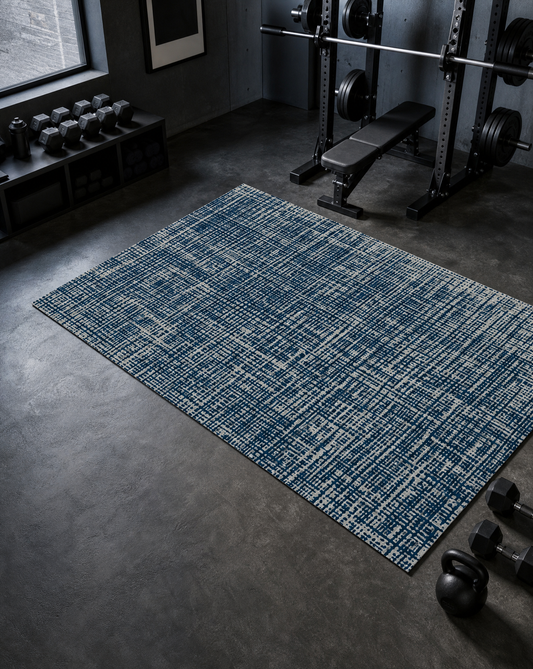
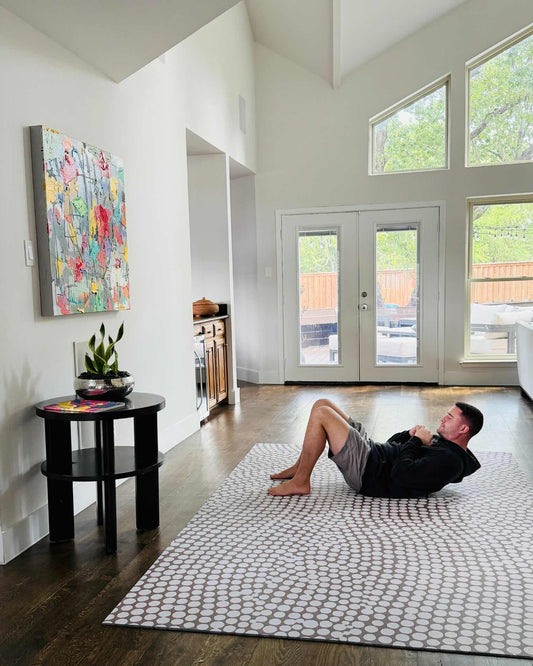
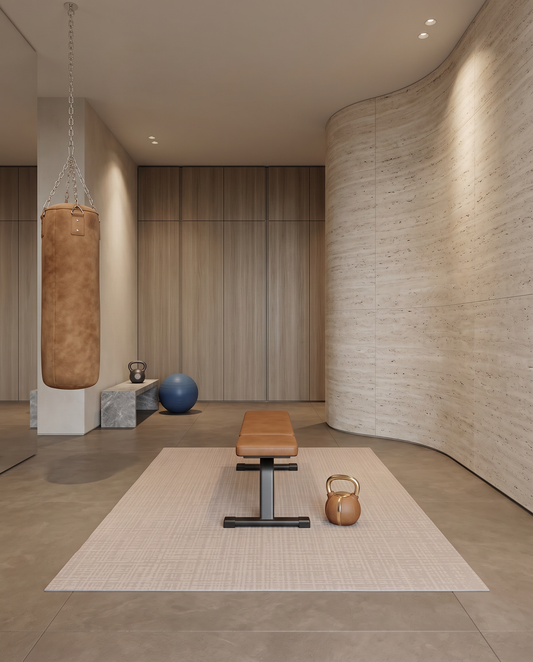
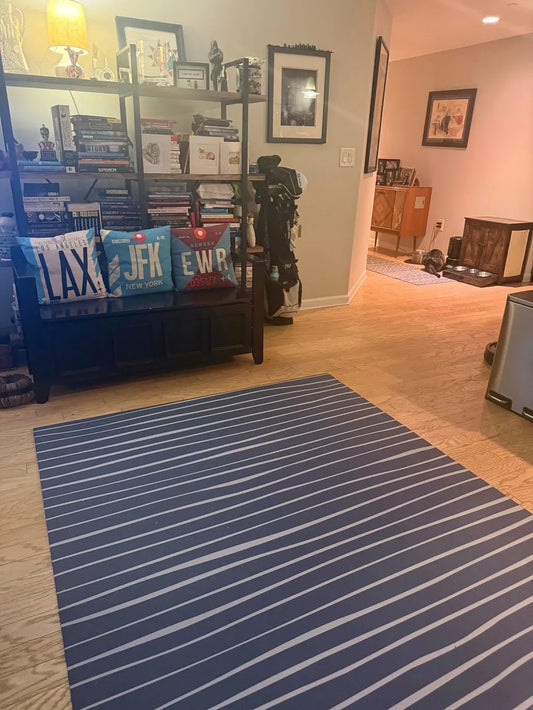
The single most effective structural change for protecting the morning window is anchoring it to a physical practice on the floor. A cushioned mat immediately visible on the way from the bed to the coffee maker becomes the alternative to reaching for the phone. The decision resolves itself.
Swankymat is calibrated for exactly this role. Non-toxic high-density foam with 6mm of supportive cushion, a waterproof wipe-clean surface, and Greenguard Gold certified inks. Designed to live on the floor permanently rather than to be rolled and stored, which is what makes it available for the morning window.
For the morning practice itself, the post on the morning routine that starts on the floor covers the four-element structure. For the shorter fallback on busy days, the post on movement microhabits covers the five-minute version.