

How to Start a Yoga Practice at Home When You've Never Done It Before

Starting yoga sounds simple until you actually try to begin. The studio feels intimidating, the online videos assume you already know the poses, and the word flexibility makes you want to close the laptop before you've started. Here's the reassuring truth: yoga at home is one of the most forgiving ways to start moving, and you need far less than the internet implies. No flexibility required, no audience, no special outfit, just a little space and a willingness to be a beginner. This is how to actually begin and keep going.
Let go of what's holding you back
The biggest barrier to starting yoga is the belief that you have to be good at it first. You don't. Flexibility is a result of practice, not a requirement for it, and every experienced practitioner started exactly where you are. Nobody is watching at home, which is exactly why home is the easiest place to begin. You can pause the video, fumble a pose, skip the ones that don't feel right, and nobody will know. Lower the stakes and you remove the reason most people never start.
What yoga at home actually does for you
It helps to know what you're signing up for. A regular practice builds strength and mobility, yes, but the benefits people tend to stick around for are quieter: less tension in the neck and shoulders, better sleep, a few minutes of calm in a busy day, and a steadier relationship with your own body. You don't have to buy into any particular philosophy to get those. Showing up for ten minutes and breathing is enough to feel the difference within a couple of weeks.
A simple way to begin
- Start with 10 minutes. A short, consistent practice beats an ambitious one you abandon after three days. Ten minutes a few times a week is a real beginning, and it's easy to grow from there.
- Follow along. Search for beginner yoga videos and pick an instructor whose pace and voice feel calm to you. Let them do the thinking while you learn the shapes. Try a few until one clicks.
- Learn a handful of foundational poses. Child's pose, downward dog, cat-cow, mountain pose, and a gentle forward fold will carry you a long way. Most beginner flows are built from these.
- Focus on breath. If you remember nothing else, breathe slowly and steadily through your nose. That alone is most of the practice, and it's what separates yoga from ordinary stretching.
- Be consistent, not perfect. Showing up matters far more than nailing the pose. A wobbly, modified version done regularly beats a perfect one you only attempt once.
Common beginner mistakes
A few things trip people up early. Pushing too hard, too soon is the big one, treating yoga like a competition and forcing depth your body isn't ready for, which leads to soreness or strain and kills the habit. Holding your breath during difficult poses is another, since the breath is meant to guide you, not stop. Comparing yourself to the instructor or to people online is a fast way to feel discouraged, when the only useful comparison is to where you were last week. And skipping the gentle closing rest at the end, which feels optional but is part of why people leave a session calmer than they arrived. Go easy, breathe, and let it be imperfect.
Set up a space that invites you back
One quiet predictor of whether a new habit sticks is how easy it is to start. If beginning your practice means clearing the room, hunting for a mat, and setting up on a cold, hard floor, you'll find reasons to skip it. If your spot is ready and comfortable and pleasant to be in, you'll go more often. A defined, comfortable space that's there when you are removes the friction between intention and action. You don't need a dedicated room. You need a few feet of floor and a surface that makes getting down there feel good rather than punishing.
Why the surface matters for beginners specifically
New practitioners feel discomfort in their knees, wrists, and hips first, because those joints aren't yet used to bearing weight in these positions. A thin or slippery mat makes that worse, and discomfort early on is one of the main reasons beginners quit before the practice becomes a habit. A cushioned, grippy, generously sized surface takes that obstacle off the table. You can hold a low lunge without your back knee complaining, balance in a pose without worrying about sliding, and move between shapes without running off the edge of the mat. Comfort isn't a luxury for beginners, it's often the difference between continuing and quitting.
A comfortable place to begin
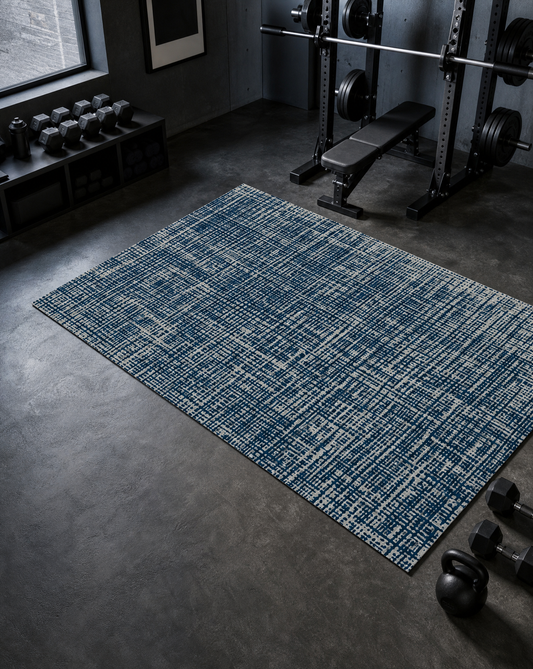
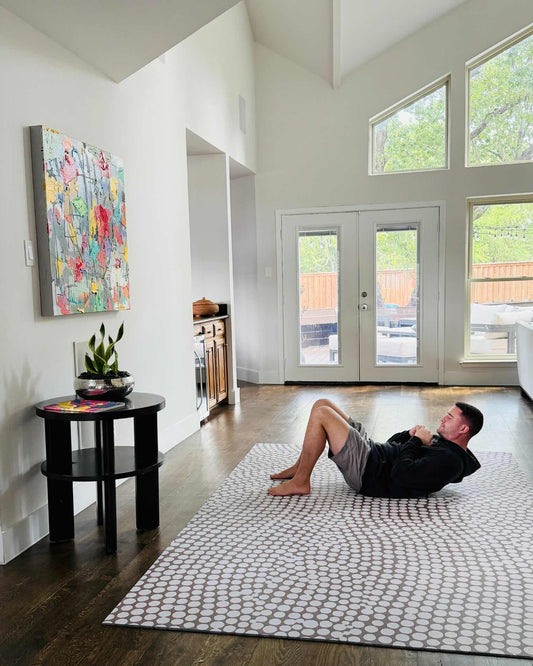
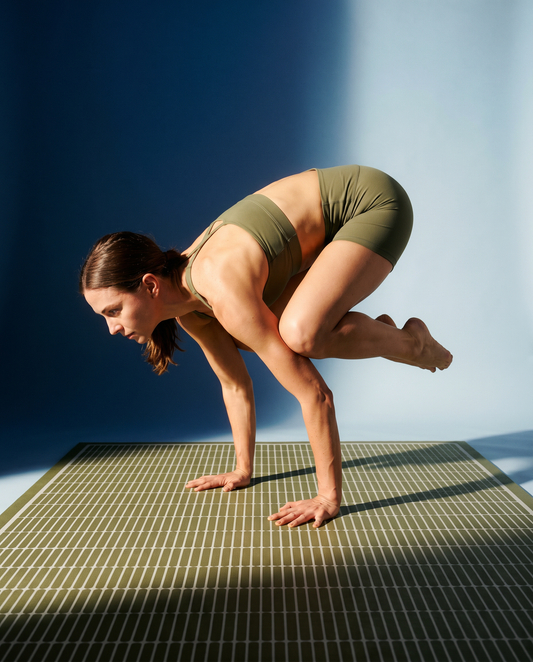
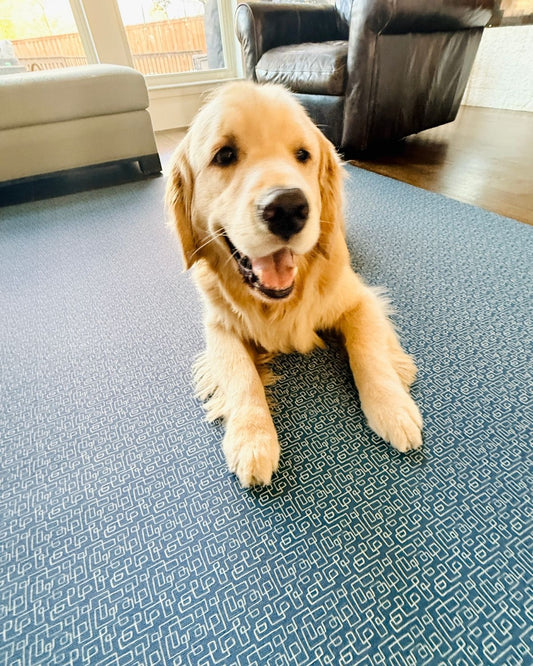
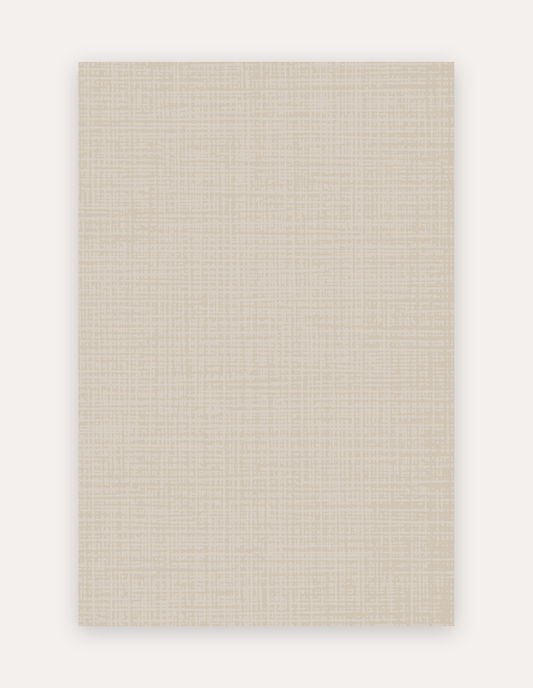
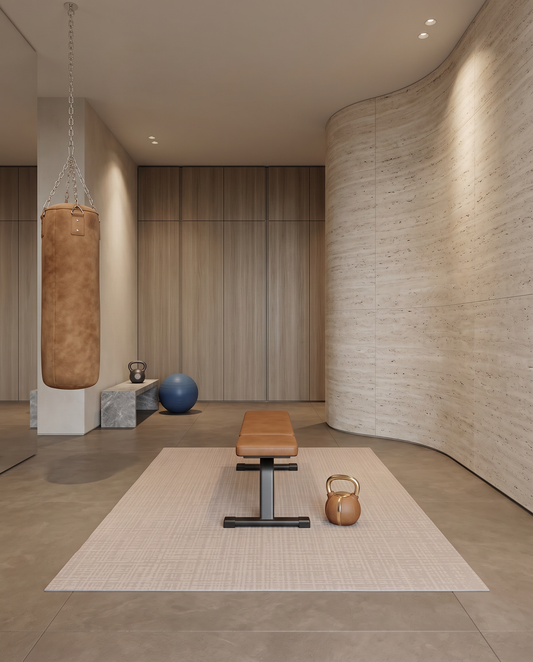
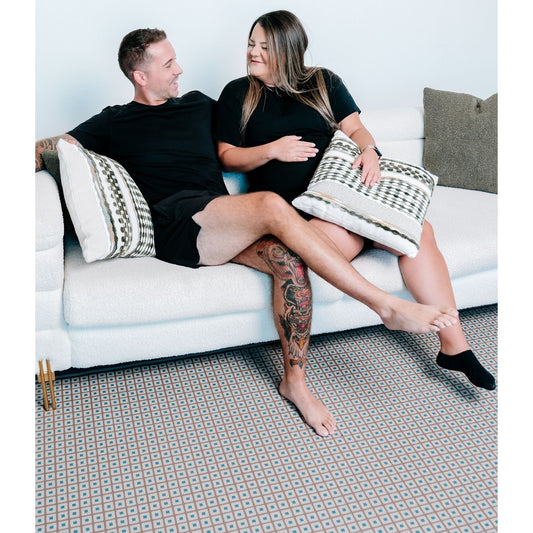
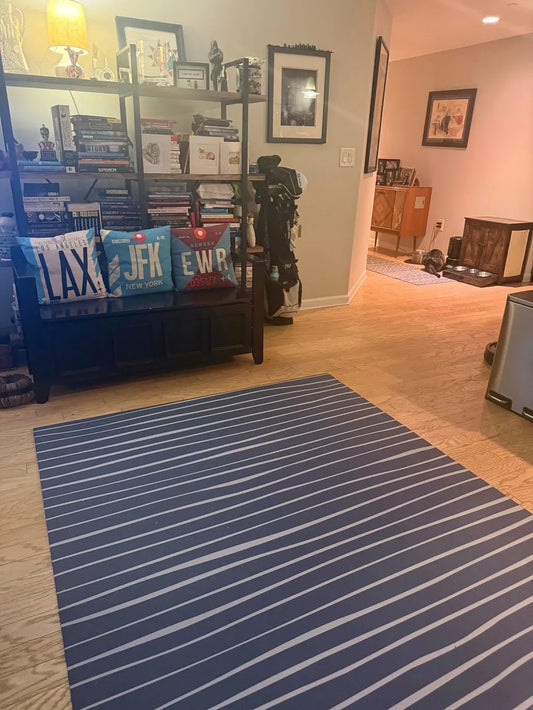
This is where a Swankymat helps a brand-new practice take root. It gives you a large, 6mm-cushioned surface that's gentle on the knees and wrists beginners feel first, with plenty of room so you're not worrying about running off the edge mid-pose. It's made with non-toxic materials and Greenguard Gold certified inks, grippy enough to feel stable while you find your balance, and waterproof and wipe-clean so it's no fuss to maintain. Because it comes in calm, modern colorways like Sloane Dust that look at home in your living room, you can leave it out as a standing invitation to practice rather than tucking it away and forgetting about it. When stepping onto your mat is the easiest part of your day, showing up gets a lot simpler, and showing up is the whole practice.