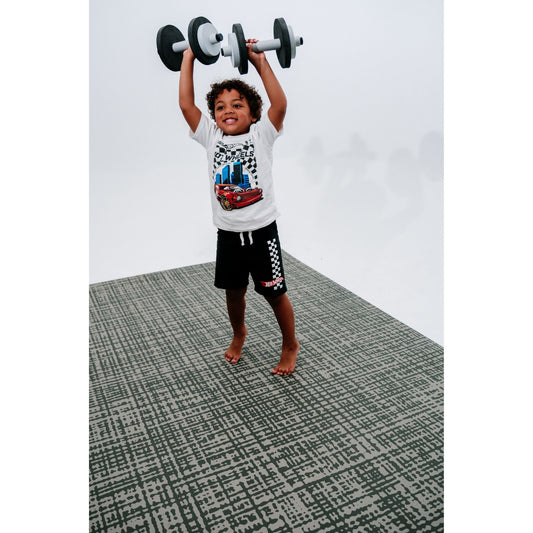


Man and child on Swankymat non toxic rug alternative mat for yoga and play. Man and child exercising on Swankymat non toxic large yoga mat in modern green neutral pattern

The Only Mat Your Home Needs

Non-toxic, wipe-clean, and built for workouts, play, and real life.

feature-item-1
KID + PET FRIENDLY
feature-item-2
RIGOROUSLY NON-TOXIC
feature-item-3
GREENGUARD GOLD INKS
feature-item-4
HSA/FSA ELIGIBLE
Luxury navy fitness mat for meditation and yoga

The Meditation Space at Home: Design for a Practice That Sticks

A meditation practice at home tends to fail on setup more than on discipline. The intention is there. The five minutes are available. But the room does not support the practice. The mat is in a closet, the space is cluttered, the visual cues pull toward the phone rather than toward stillness. A dedicated meditation space, however small, removes almost all of that friction.

This post covers what a designed meditation space at home actually looks like. Smaller than most people expect, more specific than a general wellness corner, and built around a different set of elements than a home yoga or workout zone.

Why Meditation Deserves Its Own Space

Meditation and movement practice share a floor surface but not a design language. A movement space is designed for range and expansion. A meditation space is designed for stillness and containment. The room signals matter, and mixed-use zones often fail to signal either well.

A dedicated meditation space does one job. It creates a room cue that separates meditation from everything else you do in your home. The cue is what makes the practice automatic over months and years rather than a daily decision.

The Five Elements

A meditation space runs on five elements. All of them are smaller than the elements of a general wellness corner, because meditation happens in a smaller physical footprint than movement.

1. A Seated Surface

A meditation cushion, a folded blanket, or the corner of a cushioned mat. Seated meditation happens on the floor for most traditional practices, and the surface has to support a comfortable cross-legged position for 15 to 30 minutes without discomfort.

2. A Single Focal Point

A candle, a small piece of art, a single ceramic object, or a plant with visual presence. The focal point gives the eyes somewhere to rest during open-eye meditation and marks the direction of the practice.

3. Low Ambient Light

Overhead light disrupts most meditation practices. A single lamp on a low warm setting, a wall sconce, or natural light through a shaded window creates a settled visual environment.

4. Sound Isolation or Ambient Sound

Meditation works better in a room with acoustic cushioning. Fabric curtains, rugs, upholstered furniture, or plants all soften the room. If the space is echoey, add textiles. Ambient sound (a small bell, low music, or white noise) can substitute for silence in shared living situations.

5. Nothing Else

The room cue works when the space contains only what the practice needs. Books, work materials, phones, and unrelated decor pull the mind away from the practice. A meditation space with five items in it is more useful than one with twelve.

Where to Put It

The best placements are corners of rooms that are already quiet during the practice window. A bedroom corner, a guest room, a small alcove, or an underused window seat. The traditional advice is a dedicated room, but most homes do not have one, and a corner of an existing room works nearly as well when the elements are set up correctly.

For the broader wellness corner framework the meditation space borrows from, the post on designing a calm movement space at home covers the general five-element structure.

Palette Considerations

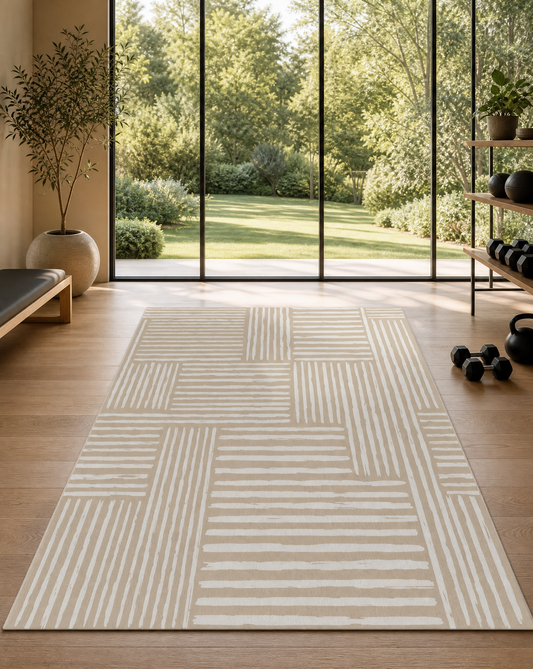
Meditation spaces work best in quiet palettes. Warm neutrals (Rhodes Camel, Sloane Dust), muted greens (Sloane Forest, Circa Cove), and grounded deep tones (Sloane Midnight) all read as calming in a way that saturated or high-contrast colors do not. If the space includes a mat as the seated surface, choose a palette that fades into the room rather than one that draws attention.

What to Skip in a Meditation Space

A few pieces that get suggested in meditation content and rarely help.

Large statues or religious iconography, unless they are part of your specific practice tradition. Generic Buddha statues purchased for aesthetic reasons often feel performative rather than supportive.

Multiple candles, incense holders, or oil diffusers running simultaneously. One focal element works better than several.

A separate meditation cushion, blanket, and mat all layered together. One well-chosen surface tends to work better than an assembled kit.

The Cushion the Practice Sits On

A meditation practice benefits from a floor surface that provides cushion for the sit bones and knees during seated positions, warmth against a cold floor, and a visual boundary that defines the space. Swankymat is calibrated for these needs alongside its primary movement function. Non-toxic high-density foam with 6mm of supportive cushion, a waterproof wipe-clean surface, and hand-drawn patterns that read as designed objects. The quiet Swankymat palettes work particularly well as meditation surfaces.

Browse the neutral mats collection to see the palettes that fit meditation aesthetics. For a smaller, portable option, the Studio Mat collection works when the meditation space is temporary or shared with a movement practice.

Back to blog

Explore More Rug Alternative & Decor Guides

Looking for a rug alternative that fits your home?

Explore decorative exercise and play mats designed for modern living spaces.

Swankymat Sloane Navy non-toxic eco-friendly exercise mat and play mat with yogurt spill showing easy-to-clean wipeable surface

Style meets function.

Swankymat is the largest wipeable, single-piece mat on the market, with a sleek design you’ll actually want to keep on display. No folding. No rolling up. Just a durable, stylish surface that’s always ready for your next workout.

FIND YOUR PERFECT MAT

Shop Our Best Sellers

What's your style?

Person doing sit-ups on the Circa Sandstone oversized exercise mat, a non-toxic high-density foam mat in a warm sandstone pebble pattern, during a home workout

Neutral Styles

SHOP NEUTRAL
Neutral Brown and tan mat rug alternative for home, yoga, and play

Modern Flair

SHOP MODERN
Swankymat stylish blue non toxic mat for yoga and play and tummy time

Blue Hues

SHOP BLUE
Woman doing yoga at home on colorful stylish mat by Swankymat

Pop of Color

SHOP FUN

Ready to transform your space?

Person doing sit-ups on the Circa Sandstone oversized exercise mat, a non-toxic high-density foam mat in a warm sandstone pebble pattern, during a home workout

The oversized mat you've been waiting for

A mat that fits your home and your life

Whether you're flowing through yoga, stretching between meetings, or creating a cozy play space in the living room, our exercise mat and play mat is designed for everyday living.

The supportive cushion protects joints during lunges and planks while the firm surface keeps you stable for balance poses. And unlike standard yoga mats, its generous 5×7 or 6×9 size gives you room to move without stepping off the edge.

When the workout ends, the clean, modern design blends seamlessly into your home.

Woman doing yoga at home on colorful stylish mat by Swankymat

SOPHISTICATED AND FUNCTIONAL

Where style and movement live together.

Our 6 mm thick, non-slip mats provide the cushioning and support you need for movement without compromising the aesthetic of your home.

From yoga flows to family movie nights, from strength training to everyday living, Swankymat is designed to move with you while complementing your space.

Swankymat Sloane Navy non-toxic eco-friendly exercise mat and play mat with yogurt spill showing easy-to-clean wipeable surface

EASY TO CLEAN

You've cleaned enough rugs.

Life happens. Our mats don’t cry over spilled milk (or wine). The waterproof surface helps prevent liquids, dust, dander, and odors from penetrating, making everyday cleanup simple. Just vacuum, mop, or wipe with mild detergent.

Unlike traditional rugs that trap spills, dust, and pet hair, our mats are designed for real homes where messes happen and cleanup should be easy.

MORE ON MAT CARE
Circa Cove Swankymat — non-toxic exercise, yoga, and play mat in cool blue pebble pattern

NON-TOXIC AND ECO-FRIENDLY

Clean. Inside and out.

Our mats are made with high-density eco-PVC foam and printed using non-toxic inks that are free from harmful chemicals. Every mat is designed to meet rigorous safety standards so you can feel confident using it in spaces where you move, relax, and spend time with family.

• Phthalate-Free (16P Free): No harmful plasticizers that could affect your health

• Latex-Free & Silicone-Free: Safe for those with sensitivities

• REACH Compliant Materials: Meets strict European environmental and health standards

• GREENGUARD Gold Certified Inks: Low VOC and safer for indoor air

With Swankymat, you’re choosing a surface designed to support both your wellbeing and your home.

SAFETY STANDARDS

Frequently Asked Questions

How do I set up a meditation space at home?

A meditation space runs on five elements: a seated surface (cushion, folded blanket, or mat), a single focal point (candle, art, plant), low ambient light, sound isolation or ambient sound, and nothing else in the space. The corner of an existing room works well when the elements are set up correctly. A dedicated room is not required.

Where is the best place for meditation in a home?

The corners of rooms that are already quiet during the practice window tend to work best. A bedroom corner, a guest room, a small alcove, or an underused window seat. What matters more than the specific room is that the space contains only what the meditation practice needs, without competing visual cues from work materials, phones, or unrelated decor.

What color should a meditation space be?

Quiet palettes work best. Warm neutrals (camel, ivory, oat), muted greens, and grounded deep tones (midnight, forest, deep charcoal) all read as calming in a way that saturated or high-contrast colors do not. The space should feel visually settled rather than energizing.